
 EN
EN



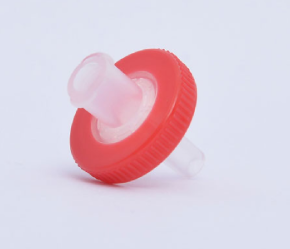
জীবাণুমুক্ত সিরিং ফিল্টারগুলি কার্যকরভাবে গ্যাসগুলি ফিল্টার করতে পারে কিনা তা পরীক্ষাগার পেশাদার, ফার্মাসিউটিক্যাল গবেষক এবং শিল্প অ্যাপ্লিকেশনগুলির জন্য একটি সমালোচনামূলক বিবেচনা। যখন সিঙ্ক ফিল্টার তরল পরিস্রাবণের জন্য প্রযুক্তি ব্যাপকভাবে বিকশিত হয়েছে, গ্যাস অণুগুলির অনন্য বৈশিষ্ট্য এবং প্রবাহের গতিবিদ্যা বিভিন্ন চ্যালেঞ্জ সৃষ্টি করে যা সাবধানে মূল্যায়ন করা উচিত। গ্যাস অ্যাপ্লিকেশনের জন্য জীবাণুমুক্ত সিরিং ফিল্টারগুলির ক্ষমতা এবং সীমাবদ্ধতা বোঝার জন্য ঝিল্লি বৈশিষ্ট্য, ছিদ্র কাঠামো এবং তরল এবং গ্যাস পরিস্রাবণ প্রক্রিয়াগুলির মধ্যে মৌলিক পার্থক্যগুলি পরীক্ষা করা প্রয়োজন।
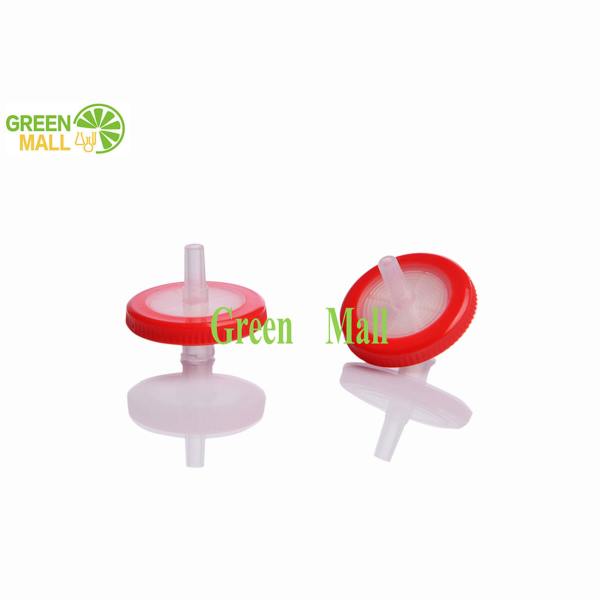
সংক্ষিপ্ত উত্তর হলো হ্যাঁ, জীবাণুমুক্ত সিরিঞ্জ ফিল্টারগুলি গ্যাস ফিল্ট্রেশনের জন্য ব্যবহার করা যেতে পারে, কিন্তু এদের কার্যকারিতা বিশেষভাবে নির্ভর করে মেমব্রেন উপাদান, ছিদ্রের আকার এবং প্রয়োগের প্রয়োজনীয়তার উপর। সিরিঞ্জ ফিল্টারের মাধ্যমে গ্যাস ফিল্ট্রেশন তরল ফিল্ট্রেশনের চেয়ে ভিন্ন নীতির উপর ভিত্তি করে কাজ করে, যা মূলত যান্ত্রিক ধারণ, বিসরণ এবং আটকানোর যান্ত্রিক পদ্ধতির উপর নির্ভর করে—সরল আকার-বিচ্ছেদের উপর নয়। গ্যাস ফিল্ট্রেশন অ্যাপ্লিকেশনের সফলতা নির্ভর করে সেই উপযুক্ত সিরিঞ্জ ফিল্টার মেমব্রেন নির্বাচনের উপর, যা গ্যাসীয় দূষণকারী পদার্থগুলির সঙ্গে সম্পর্কিত বিশেষ চ্যালেঞ্জগুলি মোকাবেলা করতে পারে এবং নির্দিষ্ট অ্যাপ্লিকেশনের জন্য উপযুক্ত প্রবাহ হার বজায় রাখতে পারে।
সিরিঞ্জ ফিল্টারের মাধ্যমে গ্যাস ফিল্ট্রেশন পদ্ধতি বোঝা
গ্যাস ও তরল ফিল্ট্রেশনের মধ্যে মৌলিক পার্থক্য
সিরিঞ্জ ফিল্টারের মাধ্যমে গ্যাস ফিল্ট্রেশন তরল অ্যাপ্লিকেশনের তুলনায় মৌলিকভাবে ভিন্ন বলবিদ্যা অনুসরণ করে। যখন তরল ফিল্ট্রেশন প্রধানত আকার-বহিষ্করণের উপর নির্ভর করে, যেখানে মেমব্রেনের ছিদ্রের চেয়ে বড় কণাগুলি শারীরিকভাবে আটকে থাকে, ঠিক তখনই গ্যাস ফিল্ট্রেশনে জড়তাজনিত আঘাত, আটকানো, ব্যাপন এবং তড়িৎস্থিতিক আকর্ষণ—এই বিভিন্ন ক্যাপচার বলবিদ্যা জড়িত থাকে। এই বলবিদ্যাগুলি একসাথে কাজ করে গ্যাস স্ট্রিম থেকে বিভিন্ন দূষণকারী পদার্থ অপসারণ করে, যার মধ্যে রয়েছে কণিকা, অণুজীব এবং মেমব্রেন উপাদান ও কনফিগারেশনের উপর নির্ভর করে কিছু রাসায়নিক বাষ্প।
গ্যাসের আণবিক আচরণ সিরিঞ্জ ফিল্টার প্রয়োগের জন্য অনন্য চ্যালেঞ্জ সৃষ্টি করে। তরল-বাহিত কণার তুলনায় গ্যাস অণুগুলি উল্লেখযোগ্যভাবে উচ্চতর গতিশীলতা এবং গতিশক্তি প্রদর্শন করে, যার ফলে দ্রুতগামী দূষণকারী পদার্থগুলিকে কার্যকরভাবে আটকানোর জন্য এমন মেমব্রেন উপাদান প্রয়োজন হয় যা অত্যধিক চাপ পতন ছাড়াই কাজ করতে পারে। এছাড়াও, গ্যাসের সান্দ্রতা তাপমাত্রা ও গঠনের পরিবর্তনের সাথে পরিবর্তিত হতে পারে, যা ফিল্ট্রেশন দক্ষতাকে প্রভাবিত করতে পারে; ফলে গ্যাস অ্যাপ্লিকেশনের জন্য উপযুক্ত সিরিঞ্জ ফিল্টার বিশেষকরণ নির্বাচন করার সময় কার্যকরী শর্তগুলি বিবেচনা করা অত্যাবশ্যক।
সিরিঞ্জ ফিল্টার মেমব্রেনের মধ্য দিয়ে প্রবাহ গতিবিদ্যা গ্যাস ও তরল উভয় অবস্থার মধ্যে চমকপ্রদভাবে ভিন্ন। গ্যাস প্রবাহ সংকোচযোগ্য তরল আচরণ অনুসরণ করে, যেখানে মেমব্রেনের উভয় পাশে চাপ পরিবর্তন ফিল্ট্রেশন কার্যকারিতাকে উল্লেখযোগ্যভাবে প্রভাবিত করতে পারে। এই বৈশিষ্ট্যটি অপ্টিমাল ফিল্ট্রেশন দক্ষতা নিশ্চিত করতে এবং গবেষাগার বা শিল্প প্রয়োগের জন্য ব্যবহারযোগ্য প্রবাহ হার বজায় রাখতে উৎস চাপ, প্রবাহ হার এবং মেমব্রেন প্রতিরোধের প্রতি সতর্ক মনোযোগ দেওয়ার প্রয়োজন হয়।
গ্যাস ফিল্ট্রেশনের জন্য মেমব্রেন উপাদান নির্বাচন
সিরিঞ্জ ফিল্টারে মেমব্রেন উপাদানের পছন্দ সরাসরি গ্যাস ফিল্ট্রেশন কর্মক্ষমতা এবং সামঞ্জস্যতা প্রভাবিত করে। গ্যাস ফিল্ট্রেশন অ্যাপ্লিকেশনগুলিতে PTFE মেমব্রেনগুলি তাদের জলবিমুখী প্রকৃতি, রাসায়নিক নিষ্ক্রিয়তা এবং চমৎকার কণা ধারণ বৈশিষ্ট্যের কারণে শ্রেষ্ঠ কার্যকারিতা প্রদর্শন করে। এই মেমব্রেনগুলি গ্যাস স্ট্রিম থেকে কণা বস্তু এবং অণুজীব অপসারণের জন্য উত্তম কার্যকারিতা প্রদর্শন করে, যার মধ্যে নিম্ন চাপ পতন এবং দক্ষ গ্যাস প্রক্রিয়াকরণের জন্য আবশ্যক উচ্চ প্রবাহ হার বজায় রাখা হয়।
পলিভিনাইলিডিন ফ্লুরাইড (PVDF) মেমব্রেনগুলি চাহিদাপূর্ণ গ্যাস ফিল্ট্রেশন অ্যাপ্লিকেশনগুলির জন্য চমৎকার রাসায়নিক সামঞ্জস্যতা এবং তাপীয় স্থিতিশীলতা প্রদান করে। এই সিরিঞ্জ ফিল্টার মেমব্রেনগুলি কার্যকর কণা ধারণ প্রদান করে এবং বিশেষায়িত গ্যাস পরিশোধন প্রক্রিয়ায় সম্ভাব্য হয়ে উঠা আক্রমণাত্মক রাসায়নিক পরিবেশের প্রতি প্রতিরোধ দেখায়। PVDF মেমব্রেনগুলির অনন্য ছিদ্র গঠন গ্যাস পর্যায়ের অ্যাপ্লিকেশনগুলির জন্য বিশেষভাবে প্রাসঙ্গিক বিস্তার যান্ত্রিক পদ্ধতির মাধ্যমে সাব-মাইক্রন কণাগুলির দক্ষ ধারণ সক্ষম করে।
পলিইথারসালফোন এবং নাইলন মেমব্রেনগুলি হাইড্রোফিলিক বৈশিষ্ট্যগুলি সুবিধাজনক হতে পারে এমন নির্দিষ্ট গ্যাস ফিল্ট্রেশন প্রয়োজনীয়তার জন্য বিকল্প বিকল্পগুলি প্রদান করে। গ্যাস অ্যাপ্লিকেশনের জন্য এই মেমব্রেন উপাদানগুলি কম প্রচলিত হলেও, আর্দ্রতা ব্যবস্থাপনা বা নির্দিষ্ট রাসায়নিক পারস্পরিক ক্রিয়া প্রয়োজন হওয়া কিছু নির্দিষ্ট পরিস্থিতিতে এগুলি সুবিধা প্রদান করতে পারে। অপটিমাল গ্যাস ফিল্ট্রেশন পারফরম্যান্স অর্জনের জন্য মেমব্রেন রসায়ন, ছিদ্র গঠন এবং যান্ত্রিক বৈশিষ্ট্যগুলির মধ্যে সাবধানতার সাথে ভারসাম্য বজায় রাখা আবশ্যিক।
অ্যাপ্লিকেশন এলাকা এবং পারফরম্যান্স বিবেচনা
ল্যাবরেটরি গ্যাস পরিশোধন অ্যাপ্লিকেশন
ল্যাবরেটরি পরিবেশে বিশ্লেষণাত্মক যন্ত্রপাতি, কোষ সংস্কৃতি অ্যাপ্লিকেশন এবং দূষণ নিয়ন্ত্রণ অত্যন্ত গুরুত্বপূর্ণ গবেষণা প্রক্রিয়ায় সঠিক গ্যাস পরিশোধনের প্রয়োজন হয়। একটি সিঙ্ক ফিল্টার গ্যাসীয় প্রয়োগের জন্য বিশেষভাবে ডিজাইন করা এই যন্ত্রগুলো পরীক্ষাগারে ব্যবহৃত সংকুচিত বায়ু, নাইট্রোজেন এবং অন্যান্য প্রসেস গ্যাস থেকে কণা পদার্থ, অণুজীব এবং নির্দিষ্ট উদ্বায়ী দূষক পদার্থ কার্যকরভাবে অপসারণ করতে পারে। এই ধরনের প্রয়োগে সাধারণত যন্ত্রের কার্যক্ষমতা এবং গ্যাসের বিশুদ্ধতা বজায় রাখার জন্য কম চাপ হ্রাস রেখে উচ্চ দক্ষতার সাথে কণা অপসারণের প্রয়োজন হয়।
বিশ্লেষণমূলক যন্ত্রের গ্যাস লাইন হল একটি প্রাথমিক অ্যাপ্লিকেশন ক্ষেত্র যেখানে সিরিঞ্জ ফিল্টার প্রযুক্তি নির্ভরযোগ্য দূষণ নিয়ন্ত্রণ প্রদান করে। গ্যাস ক্রোমাটোগ্রাফি, মাস স্পেকট্রোমেট্রি এবং অন্যান্য সংবেদনশীল বিশ্লেষণমূলক পদ্ধতির জন্য অত্যন্ত পরিষ্কার গ্যাস সরবরাহের প্রয়োজন হয় যাতে বেসলাইন ড্রিফট, পীক বিকৃতি এবং ডিটেক্টর দূষণ রোধ করা যায়। গ্যাস সরবরাহ লাইনে সিরিঞ্জ ফিল্টার স্থাপন করলে তেলের অ্যারোসল, কণাকাঠামো এবং আর্দ্রতা কার্যকরভাবে অপসারণ করা যায়, যা বিশ্লেষণমূলক ফলাফলকে ক্ষতিগ্রস্ত করতে পারে বা ব্যয়বহুল যন্ত্রপাতিকে ক্ষতিগ্রস্ত করতে পারে।
কোষ চাষ এবং জীবপ্রযুক্তি অ্যাপ্লিকেশনগুলিতে প্রায়শই ফার্মেন্টেশন, বায়োরিয়াক্টর অপারেশন এবং টিস্যু কালচার প্রক্রিয়ার সময় অণুজীবমুক্ত অবস্থা বজায় রাখতে স্টেরাইল গ্যাস ফিল্ট্রেশনের প্রয়োজন হয়। গ্যাস অ্যাপ্লিকেশনের জন্য বিশেষভাবে ডিজাইন করা স্টেরাইল সিরিঞ্জ ফিল্টারগুলি গ্যাসের গঠন এবং প্রবাহ বৈশিষ্ট্যগুলি অক্ষুণ্ণ রেখে নির্ভরযোগ্য জীবাণু হ্রাস প্রদান করতে পারে, যা অপটিমাল জৈবিক প্রক্রিয়ার জন্য আবশ্যক। এই অ্যাপ্লিকেশনগুলি যাচাইকৃত ফিল্ট্রেশন কর্মক্ষমতা এবং নথিভুক্ত স্টেরিলিটি নিশ্চিতকরণ স্তরের প্রয়োজন হয়।
শিল্প গ্যাস প্রক্রিয়াকরণের প্রয়োজনীয়তা
শিল্প গ্যাস প্রক্রিয়াকরণ অ্যাপ্লিকেশনগুলি সিরিঞ্জ ফিল্টার প্রযুক্তির জন্য উচ্চতর প্রবাহ হার, চলমান অপারেশনের প্রয়োজনীয়তা এবং বিভিন্ন দূষণ প্রোফাইলের কারণে অনন্য চ্যালেঞ্জ তৈরি করে। সিরিঞ্জ ফিল্টার প্রযুক্তি ব্যবহার করে পয়েন্ট-অফ-ইউজ ফিল্ট্রেশন সিস্টেমগুলি সংকুচিত বায়ু সিস্টেম, প্রক্রিয়া গ্যাস স্ট্রিম এবং বিশেষ গ্যাস অ্যাপ্লিকেশনগুলিতে চূড়ান্ত পলিশিং প্রদান করতে পারে, যেখানে ছোট স্কেল, উচ্চ-দক্ষতাসম্পন্ন ফিল্ট্রেশনের প্রয়োজন হয়। এই ইনস্টলেশনগুলিকে ফিল্ট্রেশন দক্ষতা, চাপ পতনের সীমাবদ্ধতা এবং সার্ভিস লাইফের বিবেচনা—এই তিনটি বিষয়ের মধ্যে ভারসাম্য বজায় রাখতে হবে।
ঔষধ ও জীবপ্রযুক্তি উৎপাদন প্রক্রিয়াগুলিতে প্রায়শই ট্যাঙ্ক ভেন্টিং, প্রক্রিয়া বায়ু সরবরাহ এবং সরঞ্জাম সুরক্ষা প্রয়োগের জন্য জীবাণুমুক্ত গ্যাস ফিল্ট্রেশনের প্রয়োজন হয়। সিরিঞ্জ ফিল্টার অ্যাসেম্বলিগুলি জীবাণু হ্রাসের যাচাইকৃত সমাধান প্রদান করতে পারে যখন ঔষধ উৎপাদনের জীবাণুমুক্ত প্রক্রিয়াকরণ পরিবেশের নিয়ন্ত্রক প্রয়োজনীয়তা মেনে চলা হয়। ফিল্টার নির্বাচনের মাপদণ্ডে ঝিল্লির যাচাইকৃত ডেটা, নিষ্কাশনযোগ্য পদার্থের প্রোফাইল এবং ঔষধ উৎপাদনে ব্যবহৃত পরিষ্কার ও জীবাণুমুক্তকরণ প্রক্রিয়ার সাথে সামঞ্জস্যতা—এই তিনটি বিষয় বিবেচনা করা আবশ্যিক।
ইলেকট্রনিক্স, সেমিকন্ডাক্টর এবং উচ্চ-বিশুদ্ধতা রাসায়নিক প্রক্রিয়াকরণ শিল্পে বিশেষায়িত গ্যাস অ্যাপ্লিকেশনগুলির জন্য অত্যন্ত নিম্ন দূষণ স্তরের প্রয়োজন হয়, যা ঐতিহ্যগত ফিল্ট্রেশন প্রযুক্তিগুলিকে চ্যালেঞ্জ করে। একাধিক মেমব্রেন স্তর, বিশেষায়িত হাউজিং উপকরণ এবং যাচাইকৃত পরিষ্কারতা প্রোটোকল সমন্বিত উন্নত সিরিঞ্জ ফিল্টার ডিজাইনগুলি এই চাপাচাপি প্রয়োজনীয়তা পূরণ করতে পারে। পারফরম্যান্স যাচাইকরণে কণা গণনা, বায়োবার্ডেন পরীক্ষা এবং আসল অপারেটিং অবস্থায় রাসায়নিক সামঞ্জস্য যাচাইকরণ অন্তর্ভুক্ত করতে হবে।
কারিগরি পারফরম্যান্স প্যারামিটার এবং সীমাবদ্ধতা
গ্যাস ফেজ ফিল্ট্রেশনের জন্য দক্ষতা মেট্রিক্স
গ্যাস অ্যাপ্লিকেশনের জন্য সিরিঞ্জ ফিল্টারের কার্যকারিতা মূল্যায়ন করতে হলে তরল ফিল্ট্রেশনের মানদণ্ড থেকে ভিন্ন নির্দিষ্ট দক্ষতা মেট্রিক্সগুলি বোঝা আবশ্যক। গ্যাস ফেজ অ্যাপ্লিকেশনে কণা অপসারণ দক্ষতা সাধারণত মনোডিসপার্স এয়ারোসল চ্যালেঞ্জ টেস্টিং ব্যবহার করে পরিমাপ করা হয়, যেখানে পরিচিত আকার বণ্টনের কণাগুলি সিরিঞ্জ ফিল্টারের উর্ধ্বপ্রবাহে প্রবেশ করানো হয় এবং অধঃপ্রবাহে কণার ঘনত্ব পরিমাপ করা হয়। এই পরীক্ষা পদ্ধতি গ্যাস অ্যাপ্লিকেশনের জন্য প্রাসঙ্গিক কণা আকারের পরিসরে ফিল্ট্রেশন দক্ষতা সম্পর্কে পরিমাণগত তথ্য প্রদান করে।
জীবাণু বোঝা হ্রাসের ক্ষমতা গ্যাস ফিল্ট্রেশনে স্টেরাইল সিরিঞ্জ ফিল্টার অ্যাপ্লিকেশনগুলির জন্য আরেকটি গুরুত্বপূর্ণ পারফরম্যান্স প্যারামিটার নির্দেশ করে। উপযুক্ত পরীক্ষামূলক জীবাণু ব্যবহার করে ব্যাকটেরিয়াল রিটেনশন পরীক্ষা মেমব্রেনের গ্যাস প্রবাহের অবস্থায় স্টেরাইল ফিল্ট্রেশন প্রদানের ক্ষমতা প্রদর্শন করে। এই পরীক্ষাগুলি গ্যাস ও তরল অ্যাপ্লিকেশনের মধ্যে বিদ্যমান ভিন্ন চ্যালেঞ্জ অবস্থাগুলি—যেমন আর্দ্রতা সামগ্রীর হ্রাস এবং জীবাণুর জীবিত থাকার ক্ষমতার পরিবর্তন—যা ধরে রাখার ব্যবস্থাগুলিকে প্রভাবিত করতে পারে, তা বিবেচনা করতে হবে।
গ্যাস অ্যাপ্লিকেশনের জন্য সিরিঞ্জ ফিল্টার প্রযুক্তির ব্যবহারিক উপযোগিতাকে চাপ হ্রাসের বৈশিষ্ট্যগুলি উল্লেখযোগ্যভাবে প্রভাবিত করে। তরল ফিল্ট্রেশনের বিপরীতে, যেখানে মাঝারি চাপ বৃদ্ধি সহজেই গ্রহণযোগ্য, গ্যাস অ্যাপ্লিকেশনগুলি প্রায়শই উচ্চ-প্রবাহ সরঞ্জামের সীমাবদ্ধতা এবং প্রক্রিয়া প্রয়োজনীয়তার কারণে চাপ হ্রাসের প্রতি সংবেদনশীল হয়। নির্দিষ্ট কার্যকরী পরিসরের মধ্যে প্রবাহ হার বনাম চাপ হ্রাসের বিস্তারিত বৈশিষ্ট্য বিশ্লেষণ সঠিক সিস্টেম ডিজাইন এবং পারফরম্যান্স ভবিষ্যৎবাণীর জন্য অপরিহার্য।
কার্যকরী সীমাবদ্ধতা এবং ডিজাইন বাধাদণ্ড
গ্যাস অ্যাপ্লিকেশনে সিরিঞ্জ ফিল্টারের কার্যকারিতা উপর তাপমাত্রা সীমাবদ্ধতা উল্লেখযোগ্যভাবে প্রভাব ফেলতে পারে, বিশেষ করে যখন উত্তপ্ত গ্যাস প্রবাহ বা তাপমাত্রা চক্রীকরণ ঘটে। ঝিল্লি উপাদানগুলি বিভিন্ন তাপীয় স্থিতিশীলতা প্রদর্শন করে, যার ফলে উচ্চ তাপমাত্রার অবস্থায় মাত্রাগত পরিবর্তন, ছিদ্র গঠনের পরিবর্তন বা রাসায়নিক বিঘ্ন ঘটতে পারে। সিরিঞ্জ ফিল্টার নির্বাচনের সময় কার্যকরী তাপমাত্রা সীমা সতর্কতার সাথে বিবেচনা করা আবশ্যিক, যাতে সেবা জীবন জুড়ে সুসঙ্গত কার্যকারিতা এবং ঝিল্লির অখণ্ডতা নিশ্চিত করা যায়।
রাসায়নিক সামঞ্জস্যতা সিরিঞ্জ ফিল্টার গ্যাস অ্যাপ্লিকেশনের জন্য আরেকটি গুরুত্বপূর্ণ সীমাবদ্ধতা নির্দেশ করে, বিশেষ করে যখন বিক্রিয়াশীল গ্যাস, দ্রাবক বা ক্ষয়কারী যৌগ উপস্থিত থাকে। ঝিল্লির ফুলে যাওয়া, ক্ষয় বা এক্সট্র্যাক্টেবলস উৎপাদন ফিল্ট্রেশন কর্মক্ষমতাকে ক্ষতিগ্রস্ত করতে পারে এবং গ্যাস প্রবাহে দূষণ প্রবেশ করাতে পারে। দীর্ঘমেয়াদী কর্মক্ষমতা যাচাই করতে এবং সম্ভাব্য ব্যর্থতার মোডগুলি চিহ্নিত করতে প্রকৃত কার্যকরী অবস্থায় ব্যাপক সামঞ্জস্যতা পরীক্ষা অত্যাবশ্যক।
প্রবাহ হারের সীমাবদ্ধতা সহজাতভাবেই সিরিঞ্জ ফিল্টার গ্যাস ফিল্ট্রেশন প্রযুক্তির ব্যবহারিক অ্যাপ্লিকেশনগুলিকে সীমিত করে। যদিও পৃথক পৃথক সিরিঞ্জ ফিল্টার ইউনিটগুলি উল্লেখযোগ্য গ্যাস প্রবাহ পরিচালনা করতে পারে, খুব উচ্চ আয়তনের অ্যাপ্লিকেশনগুলির জন্য একাধিক সমান্তরাল ইউনিট বা বিকল্প ফিল্ট্রেশন পদ্ধতির প্রয়োজন হতে পারে। একাধিক ফিল্টার জুড়ে চাপ হ্রাসের জমাট এবং হাউজিংয়ের চাপ রেটিং সিস্টেমের কার্যকারিতা এবং নিরাপত্তা অনুমোদন নিশ্চিত করতে সাবধানে মূল্যায়ন করা আবশ্যক।
নির্বাচনের মাপকাঠি এবং বাস্তবায়নের নির্দেশিকা
নির্দিষ্ট গ্যাস প্রকারের জন্য ঝিল্লি নির্বাচন
গ্যাস অ্যাপ্লিকেশনের জন্য উপযুক্ত সিরিঞ্জ ফিল্টার মেমব্রেন নির্বাচন করতে গ্যাসের গঠন, দূষণের প্রোফাইল এবং কার্যকারিতা প্রয়োজনীয়তা সম্পর্কে সাবধানতার সাথে বিবেচনা করা আবশ্যক। নাইট্রোজেন এবং আর্গনের মতো নিষ্ক্রিয় গ্যাসগুলি সাধারণত ন্যূনতম সামঞ্জস্যতা চ্যালেঞ্জ তৈরি করে, যার ফলে কণা ধরে রাখার দক্ষতা এবং চাপ হ্রাসের বৈশিষ্ট্যগুলির ওপর মনোযোগ কেন্দ্রীভূত করা যায়। তবে, অক্সিজেন, হাইড্রোজেন এবং বিশেষ রাসায়নিক গ্যাসের মতো বিক্রিয়াশীল গ্যাসগুলির জন্য অপারেটিং অবস্থার অধীনে প্রমাণিত সামঞ্জস্যতা এবং স্থিতিশীলতা সহ নির্দিষ্ট মেমব্রেন উপকরণ প্রয়োজন হতে পারে।
গ্যাস স্ট্রিমের আর্দ্রতা সামগ্রী মেমব্রেন নির্বাচন এবং কার্যকারিতা প্রত্যাশাকে উল্লেখযোগ্যভাবে প্রভাবিত করে। পিটিফিই (PTFE) এর মতো জলবিকর্ষী মেমব্রেনগুলি শুষ্ক গ্যাস অ্যাপ্লিকেশনে চমৎকার কাজ করে, কিন্তু আর্দ্রতা উপস্থিত থাকলে এদের দক্ষতা হ্রাস পেতে পারে। অন্যদিকে, জলাকর্ষী মেমব্রেনগুলি আর্দ্র পরিস্থিতিতে সুবিধা প্রদান করতে পারে, কিন্তু সম্পূর্ণ আর্দ্রতা বহিষ্কার প্রয়োজনীয় অ্যাপ্লিকেশনগুলিতে এগুলি উপযুক্ত হতে পারে না। সিরিঞ্জ ফিল্টার নির্বাচন প্রক্রিয়ায় সাধারণ অপারেশনের সময় ঘটিত গড় এবং শীর্ষ আর্দ্রতা অবস্থার উভয়কেই বিবেচনায় আনতে হবে।
বিভিন্ন গ্যাস অ্যাপ্লিকেশনের মধ্যে দূষণের প্রোফাইলগুলি উল্লেখযোগ্যভাবে ভিন্ন, যা মেমব্রেন নির্বাচনের ক্ষেত্রে বিশেষভাবে অভিযোজিত পদ্ধতির প্রয়োজন করে। সংকুচিত বায়ু সিস্টেম থেকে উৎপন্ন কণাজ দূষণ ফার্মাসিউটিক্যাল অ্যাপ্লিকেশনে জীবাণু দূষণের ঝুঁকি বা বিশেষ গ্যাস স্ট্রিমে রাসায়নিক বাষ্পের মতো সম্পূর্ণরূপে ভিন্ন। নির্দিষ্ট দূষণের চ্যালেঞ্জগুলি বুঝতে পারলে সূক্ষ্ম ফিল্টার মেমব্রেন নির্বাচন এবং প্রকৃত কার্যকরী অবস্থার সাথে সামঞ্জস্যপূর্ণ কর্মক্ষমতা যাচাইকরণ প্রোটোকল নির্ধারণ করা সম্ভব হয়।
ইনস্টলেশন এবং রক্ষণাবেক্ষণের বিষয়
গ্যাস অ্যাপ্লিকেশনে সূক্ষ্ম ফিল্টারের অপ্টিমাল কর্মক্ষমতা অর্জনের জন্য সঠিক ইনস্টলেশন পদ্ধতি অত্যন্ত গুরুত্বপূর্ণ। গ্যাসের প্রবাহ প্যাটার্ন এবং চাপ বণ্টন তরল অ্যাপ্লিকেশন থেকে ভিন্ন, যার ফলে মেমব্রেনের সমান ব্যবহার নিশ্চিত করতে এবং চ্যানেলিং রোধ করতে আপস্ট্রিম ও ডাউনস্ট্রিম পাইপিং ডিজাইনের প্রতি বিশেষ মনোযোগ দেওয়া আবশ্যিক। সিস্টেম ডিজাইনের সময় ইনস্টলেশনের অভিমুখ, সমর্থন কাঠামো এবং রক্ষণাবেক্ষণের জন্য সুবিধাজনক প্রবেশযোগ্যতা—এই সমস্ত বিষয় যত্নসহকারে পরিকল্পনা করা আবশ্যিক, যাতে দীর্ঘমেয়াদী নির্ভরযোগ্য কার্যকরী ক্ষমতা নিশ্চিত করা যায়।
সিরিঞ্জ ফিল্টার গ্যাস অ্যাপ্লিকেশনের জন্য রক্ষণাবেক্ষণ সময়সূচী নির্ধারণ করতে চাপ হ্রাসের বৃদ্ধি, প্রবাহ হারের অবনতি এবং সম্ভাব্য ঝিল্লির অখণ্ডতা সংক্রান্ত সমস্যাগুলি মনিটর করা আবশ্যক। দৃশ্যমান দূষণ প্রায়শই প্রতিস্থাপনের প্রয়োজনীয়তা নির্দেশ করে এমন তরল অ্যাপ্লিকেশনের বিপরীতে, গ্যাস অ্যাপ্লিকেশনগুলিতে প্রবাহ পরিমাণ বা কার্যকরী সময়ের উপর ভিত্তি করে চাপ মনিটরিং বা নির্ধারিত প্রতিস্থাপন সময়সূচী প্রয়োজন হতে পারে। উপযুক্ত রক্ষণাবেক্ষণ প্রোটোকল প্রতিষ্ঠা করা ফিল্ট্রেশন পারফরম্যান্সকে সুস্থির রাখে এবং অপ্রত্যাশিত ব্যর্থতা রোধ করে।
গ্যাস ফিল্ট্রেশনে স্টেরাইল সিরিঞ্জ ফিল্টার অ্যাপ্লিকেশনগুলির জন্য বৈধকরণের প্রয়োজনীয়তাগুলি নিয়ন্ত্রক প্রত্যাশা এবং মান ব্যবস্থার প্রয়োজনীয়তাগুলির দিকে মনোযোগ আকর্ষণ করতে হবে। মেমব্রেনের কার্যকারিতা, ইনস্টলেশন পদ্ধতি এবং রক্ষণাবেক্ষণ কার্যক্রমের ডকুমেন্টেশন ফার্মাসিউটিক্যাল, বায়োটেকনোলজি এবং অন্যান্য নিয়ন্ত্রিত অ্যাপ্লিকেশনগুলির জন্য প্রয়োজনীয় ট্রেসেবিলিটি প্রদান করে। বৈধকরণ প্রোটোকলগুলিতে প্রাথমিক যোগ্যতা পরীক্ষা, নিয়মিত মনিটরিং পদ্ধতি এবং বৈধকৃত অবস্থা বজায় রাখার জন্য পরিবর্তন নিয়ন্ত্রণ প্রক্রিয়া অন্তর্ভুক্ত থাকা উচিত।
প্রায়শই জিজ্ঞাসিত প্রশ্নাবলী
সিরিঞ্জ ফিল্টার ব্যবহার করে গ্যাস ফিল্ট্রেশনের জন্য কোন ছিদ্রের আকারগুলি সবচেয়ে ভালো কাজ করে?
গ্যাস ফিল্ট্রেশন অ্যাপ্লিকেশনের জন্য, ০.১ থেকে ০.৪৫ মাইক্রনের মধ্যে সিরিঞ্জ ফিল্টারের ছিদ্রের আকার সাধারণত কণা ধারণ দক্ষতা এবং গ্রহণযোগ্য চাপ হ্রাসের মধ্যে সর্বোত্তম ভারসাম্য প্রদান করে। জীবাণুমুক্ত গ্যাস ফিল্ট্রেশনের জন্য ০.২২ মাইক্রন ছিদ্রের আকারটি সবচেয়ে বেশি ব্যবহৃত হয়, কারণ এটি নির্ভরযোগ্য জীবাণু হ্রাস প্রদান করে এবং একইসাথে যথেষ্ট প্রবাহ হার বজায় রাখে। ০.১ মাইক্রনের মতো ছোট ছিদ্রের আকার সাব-মাইক্রন কণার জন্য উচ্চতর দক্ষতা প্রদান করে, কিন্তু চাপ হ্রাসকে উল্লেখযোগ্যভাবে বৃদ্ধি করে, যা এদের ব্যবহারকে সীমিত করে বিশেষায়িত অ্যাপ্লিকেশনে, যেখানে সর্বোচ্চ ফিল্ট্রেশন দক্ষতা অত্যাবশ্যক।
আমি কীভাবে নির্ণয় করব যে আমার সিরিঞ্জ ফিল্টারের মেমব্রেনটি নির্দিষ্ট গ্যাসগুলির সাথে সামঞ্জস্যপূর্ণ কিনা?
নির্দিষ্ট গ্যাসগুলির সাথে ঝিল্লির সামঞ্জস্যপূর্ণতা নির্ধারণ করতে হবে নির্মাতার সামঞ্জস্য চার্টের মাধ্যমে এবং সম্ভব হলে প্রকৃত কার্যকরী অবস্থায় সরাসরি পরীক্ষা করে। প্রধান বিবেচ্য বিষয়গুলির মধ্যে রয়েছে ঝিল্লির উপাদানের রাসায়নিক প্রতিরোধ ক্ষমতা, ফুলে যাওয়া বা ক্ষয় হওয়ার সম্ভাবনা এবং গ্যাস প্রবাহকে দূষিত করতে পারে এমন নিষ্কাশ্য পদার্থগুলি। গুরুত্বপূর্ণ অ্যাপ্লিকেশনগুলির ক্ষেত্রে, আপনার নির্দিষ্ট গ্যাস গঠন ও কার্যকরী অবস্থায় কার্যকারিতা যাচাই করার জন্য সিরিঞ্জ ফিল্টার নির্মাতা থেকে সামঞ্জস্য ডেটা অনুরোধ করা বা পাইলট পরীক্ষা পরিচালনা করা বিবেচনা করুন।
সিরিঞ্জ ফিল্টারগুলি কি গ্যাস প্রবাহ থেকে আর্দ্রতা অপসারণ করতে পারে?
মানক সিরিঞ্জ ফিল্টার ঝিল্লিগুলি গ্যাস স্ট্রিম থেকে বাল্ক আর্দ্রতা অপসারণের জন্য ডিজাইন করা হয়নি এবং ডিহিউমিডিফিকেশন অ্যাপ্লিকেশনগুলিতে এদের উপর নির্ভর করা উচিত নয়। যদিও হাইড্রোফোবিক ঝিল্লি, যেমন PTFE, তরল জলের পাসেজ প্রতিরোধ করতে পারে, তবুও এগুলি গ্যাসে জলীয় বাষ্পের পরিমাণকে উল্লেখযোগ্যভাবে হ্রাস করে না। আর্দ্রতা নিয়ন্ত্রণের জন্য অণু চালক (মলিকিউলার সিভ) বা শীতলীকরণ ভিত্তিক শুষ্ককারী (রেফ্রিজারেটেড ড্রায়ার) এর মতো নির্দিষ্ট শুষ্ককরণ ব্যবস্থা ব্যবহার করা উচিত, যা সিরিঞ্জ ফিল্টারের আগে স্থাপন করে প্রয়োজনীয় গ্যাস শুষ্কতা স্তর অর্জন করা যায়।
গ্যাস অ্যাপ্লিকেশনে সিরিঞ্জ ফিল্টারের প্রতিস্থাপনের প্রয়োজন হয়েছে—এটা বোঝার লক্ষণগুলি কী কী?
গ্যাস অ্যাপ্লিকেশনে সিরিঞ্জ ফিল্টার প্রতিস্থাপনের মূল নির্দেশকগুলির মধ্যে রয়েছে ফিল্টারের মাধ্যমে চাপ হ্রাসের বৃদ্ধি, স্থির চালক চাপে প্রবাহ হারের হ্রাস এবং ঝিল্লির ক্ষতি বা দূষণের যেকোনো দৃশ্যমান লক্ষণ। তরল অ্যাপ্লিকেশনের বিপরীতে, যেখানে ব্রেকথ্রু দৃশ্যমানভাবে পরিষ্কার হতে পারে, গ্যাস অ্যাপ্লিকেশনে সাধারণত চাপ মনিটরিং বা প্রবাহ পরিমাণের ভিত্তিতে নির্ধারিত সময়ে ফিল্টার প্রতিস্থাপন করা হয়। প্রাথমিক ইনস্টলেশনের সময় চাপ হ্রাসের প্রাথমিক পরিমাপ স্থাপন করা ধীরে ধীরে ঘটছে এমন ক্ষয় প্রবণতা শনাক্ত করতে সাহায্য করে, যা ফিল্টার প্রতিস্থাপনের সময় নির্দেশ করে।
বিষয়সূচি
- সিরিঞ্জ ফিল্টারের মাধ্যমে গ্যাস ফিল্ট্রেশন পদ্ধতি বোঝা
- অ্যাপ্লিকেশন এলাকা এবং পারফরম্যান্স বিবেচনা
- কারিগরি পারফরম্যান্স প্যারামিটার এবং সীমাবদ্ধতা
- নির্বাচনের মাপকাঠি এবং বাস্তবায়নের নির্দেশিকা
-
প্রায়শই জিজ্ঞাসিত প্রশ্নাবলী
- সিরিঞ্জ ফিল্টার ব্যবহার করে গ্যাস ফিল্ট্রেশনের জন্য কোন ছিদ্রের আকারগুলি সবচেয়ে ভালো কাজ করে?
- আমি কীভাবে নির্ণয় করব যে আমার সিরিঞ্জ ফিল্টারের মেমব্রেনটি নির্দিষ্ট গ্যাসগুলির সাথে সামঞ্জস্যপূর্ণ কিনা?
- সিরিঞ্জ ফিল্টারগুলি কি গ্যাস প্রবাহ থেকে আর্দ্রতা অপসারণ করতে পারে?
- গ্যাস অ্যাপ্লিকেশনে সিরিঞ্জ ফিল্টারের প্রতিস্থাপনের প্রয়োজন হয়েছে—এটা বোঝার লক্ষণগুলি কী কী?