
 EN
EN



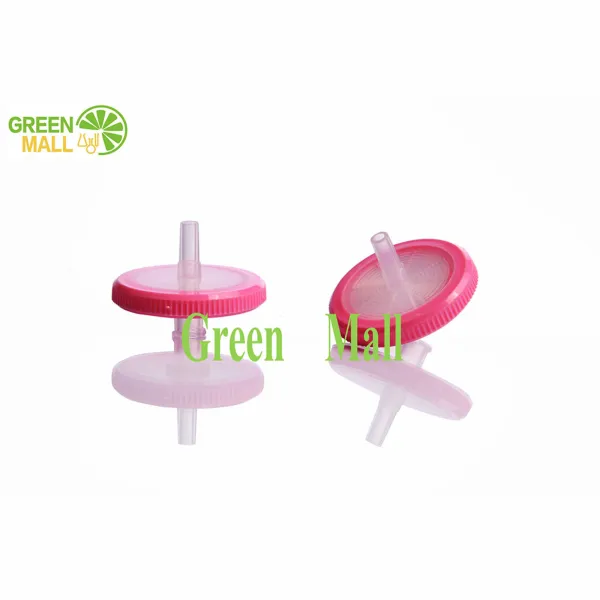
Understanding the differences between PVDF and PES sterile syringe filters is crucial for selecting the right filtration solution for your analytical and research applications. Both materials offer distinct advantages and limitations that directly impact filtration performance, chemical compatibility, and overall sample integrity. The choice between these two syringe filter types can significantly influence your experimental results and operational efficiency.
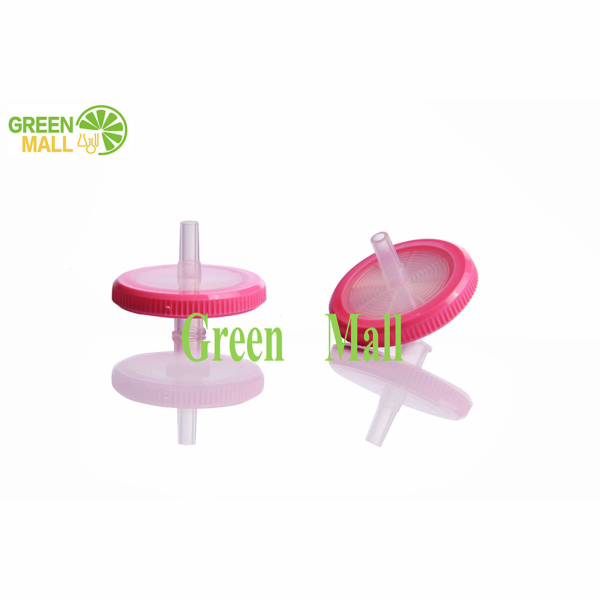
PVDF (polyvinylidene fluoride) and PES (polyethersulfone) represent two of the most widely used membrane materials in modern laboratory filtration. Each material exhibits unique chemical properties, pore structures, and compatibility characteristics that make them suitable for specific applications. This comprehensive comparison will help you understand when to use each type of syringe filter and how their differences impact your filtration requirements.
Chemical Composition and Material Properties
PVDF Membrane Characteristics
PVDF syringe filters feature membranes made from polyvinylidene fluoride, a semicrystalline thermoplastic fluoropolymer known for its exceptional chemical resistance and hydrophobic nature. The molecular structure of PVDF provides outstanding stability against aggressive solvents, acids, and bases, making it an ideal choice for demanding analytical applications. This syringe filter type exhibits excellent mechanical strength and maintains its integrity even under high-pressure conditions.
The hydrophobic surface of PVDF membranes naturally repels water-based solutions, which can be advantageous for certain organic solvent applications but may require pre-wetting for aqueous samples. The fluorinated backbone structure gives PVDF syringe filters superior resistance to oxidizing agents and harsh cleaning chemicals, extending their useful life in laboratory environments.
PVDF membranes typically demonstrate low protein binding characteristics, making them suitable for biological sample preparation where protein recovery is critical. The non-ionic nature of PVDF reduces the risk of sample contamination through ion exchange or unwanted chemical interactions during filtration processes.
PES Membrane Properties
PES syringe filters utilize polyethersulfone membranes, which are inherently hydrophilic and offer broad chemical compatibility across various applications. The polymer structure of PES provides excellent thermal stability and mechanical strength while maintaining low levels of extractable substances that could interfere with sensitive analyses. This syringe filter material naturally attracts water molecules, facilitating easy wetting and efficient filtration of aqueous solutions.
The asymmetric pore structure typical of PES membranes creates high dirt-holding capacity and extended service life compared to many other membrane materials. PES syringe filters demonstrate excellent flow rates due to their high porosity and optimized pore size distribution, reducing filtration time and improving laboratory productivity.
PES membranes exhibit low protein binding and minimal impact on sample composition, making them particularly suitable for pharmaceutical and biological applications where sample integrity is paramount. The material's resistance to gamma radiation sterilization ensures consistent performance in sterile applications without membrane degradation.
Filtration Performance and Flow Characteristics
Flow Rate Comparison
The flow characteristics of PVDF and PES syringe filters differ significantly due to their distinct membrane structures and wetting properties. PES syringe filters generally provide higher flow rates for aqueous solutions because of their hydrophilic nature and high porosity. The natural affinity for water allows PES membranes to achieve maximum flow immediately upon contact with aqueous samples.
PVDF syringe filters may require pre-wetting with alcohol or other suitable solvents when filtering aqueous solutions to achieve optimal flow rates. However, once properly wetted, PVDF membranes can deliver excellent flow performance. For organic solvents and non-polar solutions, PVDF syringe filters often outperform PES filters due to their superior wetting characteristics with these media.
The asymmetric structure of PES membranes contributes to their high dirt-holding capacity, allowing sustained flow rates even with particulate-laden samples. PVDF syringe filters maintain consistent flow rates throughout the filtration process, particularly when handling challenging samples with varying viscosities or chemical compositions.
Retention Efficiency and Pore Structure
Both PVDF and PES syringe filters are available in various pore sizes ranging from 0.1 to 5.0 micrometers, with each material offering distinct retention characteristics. The pore structure of PVDF membranes tends to be more uniform and controlled, providing predictable retention performance across different particle types and sizes. This consistency makes PVDF syringe filters particularly suitable for critical applications requiring precise particle removal.
PES membranes typically feature asymmetric pore structures with a tight retention layer supported by a more open structure underneath. This design provides excellent particle retention while minimizing membrane plugging and extending filter life. The graduated pore structure of PES syringe filters allows for depth filtration, capturing particles throughout the membrane thickness rather than just at the surface.
The retention efficiency of both membrane types meets or exceeds industry standards for sterile filtration when used at 0.22 micrometers or smaller pore sizes. However, the specific retention characteristics may vary depending on the particle type, solution chemistry, and filtration conditions encountered during use.
Chemical Compatibility and Application Range
Solvent Resistance and pH Tolerance
PVDF syringe filters demonstrate exceptional chemical resistance across a broad pH range, typically from 2 to 12, making them suitable for applications involving strong acids, bases, and aggressive organic solvents. The fluoropolymer structure provides outstanding resistance to chlorinated solvents, ketones, and other aggressive chemicals that might damage or dissolve other membrane materials. This chemical inertness makes PVDF the preferred syringe filter choice for HPLC mobile phases containing high concentrations of organic modifiers.
PES syringe filters offer good chemical compatibility but with some limitations compared to PVDF. PES membranes are generally compatible with aqueous solutions, alcohols, and mild organic solvents but may not withstand exposure to strong acids, bases, or aggressive organic solvents for extended periods. The recommended pH range for PES membranes typically spans from 2 to 10, providing adequate stability for most biological and pharmaceutical applications.
Temperature resistance differs between the two materials, with PVDF syringe filters capable of operating at higher temperatures without membrane degradation. PES membranes provide good thermal stability but may have lower maximum operating temperatures depending on the specific grade and construction used in the syringe filter assembly.
Application-Specific Considerations
PVDF syringe filters excel in analytical applications requiring harsh chemical environments, including environmental sample preparation, petrochemical analysis, and advanced materials testing. The chemical inertness of PVDF makes it ideal for filtering samples containing unknown contaminants or aggressive chemicals that could interact with less resistant membrane materials.
PES syringe filters are particularly well-suited for biological and pharmaceutical applications where sample compatibility and low extractables are critical. The hydrophilic nature and low protein binding characteristics of PES membranes make them excellent choices for cell culture media preparation, protein solutions, and vaccine manufacturing processes.
Both membrane types are suitable for sterile filtration applications, but the choice often depends on the specific sample matrix and downstream analysis requirements. PVDF syringe filters may be preferred for organic synthesis intermediates and chemical manufacturing applications, while PES filters often provide better performance for biotechnology and life science applications.
Cost Considerations and Selection Criteria
Economic Factors in Filter Selection
The cost difference between PVDF and PES syringe filters varies depending on membrane grade, pore size, and manufacturing specifications. Generally, PVDF syringe filters command a premium price due to the specialized fluoropolymer material and more complex manufacturing processes required. However, this higher initial cost may be justified by superior performance in challenging applications and extended service life under harsh conditions.
PES syringe filters typically offer a more economical solution for routine laboratory applications where extreme chemical resistance is not required. The lower material costs and simpler manufacturing processes associated with PES membranes make them attractive for high-volume applications or budget-conscious laboratories.
When evaluating the total cost of ownership, consider factors such as filter life, sample throughput, and the potential cost of sample loss or contamination. PVDF syringe filters may provide better value in applications where their superior chemical resistance prevents sample degradation or extends filter service life significantly.
Selection Guidelines and Best Practices
Selecting between PVDF and PES syringe filters requires careful consideration of sample characteristics, analytical requirements, and operational constraints. For applications involving organic solvents, extreme pH conditions, or aggressive chemicals, PVDF syringe filters typically provide superior performance and reliability. The chemical inertness of PVDF makes it the safer choice when sample compatibility is uncertain or when dealing with complex chemical matrices.
PES syringe filters are generally preferred for aqueous biological samples, pharmaceutical formulations, and applications where rapid wetting and high flow rates are important. The hydrophilic nature of PES membranes eliminates the need for pre-wetting in most aqueous applications, simplifying sample preparation protocols and reducing potential contamination sources.
Consider the downstream analysis method when selecting syringe filter materials. Some analytical techniques may be sensitive to trace extractables or specific chemical interactions that favor one membrane type over another. Compatibility testing with actual samples and analytical methods provides the most reliable basis for filter selection in critical applications.
FAQ
Can PVDF syringe filters be used for aqueous samples?
Yes, PVDF syringe filters can effectively filter aqueous samples, but they require pre-wetting with a water-miscible alcohol such as ethanol or methanol due to their hydrophobic nature. Once properly wetted, PVDF membranes provide excellent filtration performance for water-based solutions and maintain their integrity throughout the process.
Are PES syringe filters suitable for organic solvent filtration?
PES syringe filters can handle mild organic solvents and alcohol-water mixtures effectively, but they are not recommended for aggressive organic solvents such as chlorinated hydrocarbons, strong ketones, or aromatic solvents. For applications involving harsh organic chemicals, PVDF syringe filters provide superior chemical resistance and longer service life.
Which membrane type offers better particle retention performance?
Both PVDF and PES syringe filters provide excellent particle retention when manufactured to the same pore size specifications. PVDF membranes typically offer more uniform pore structures, while PES membranes feature asymmetric structures that provide depth filtration capabilities. The choice depends on specific application requirements rather than inherent retention superiority of either material.
Do PVDF and PES syringe filters require different storage conditions?
Both PVDF and PES syringe filters should be stored in cool, dry conditions away from direct sunlight and extreme temperatures. PES filters may be slightly more sensitive to UV exposure over extended periods, while PVDF filters demonstrate exceptional stability under various storage conditions. Both types maintain their performance characteristics when stored according to manufacturer recommendations.