
 EN
EN



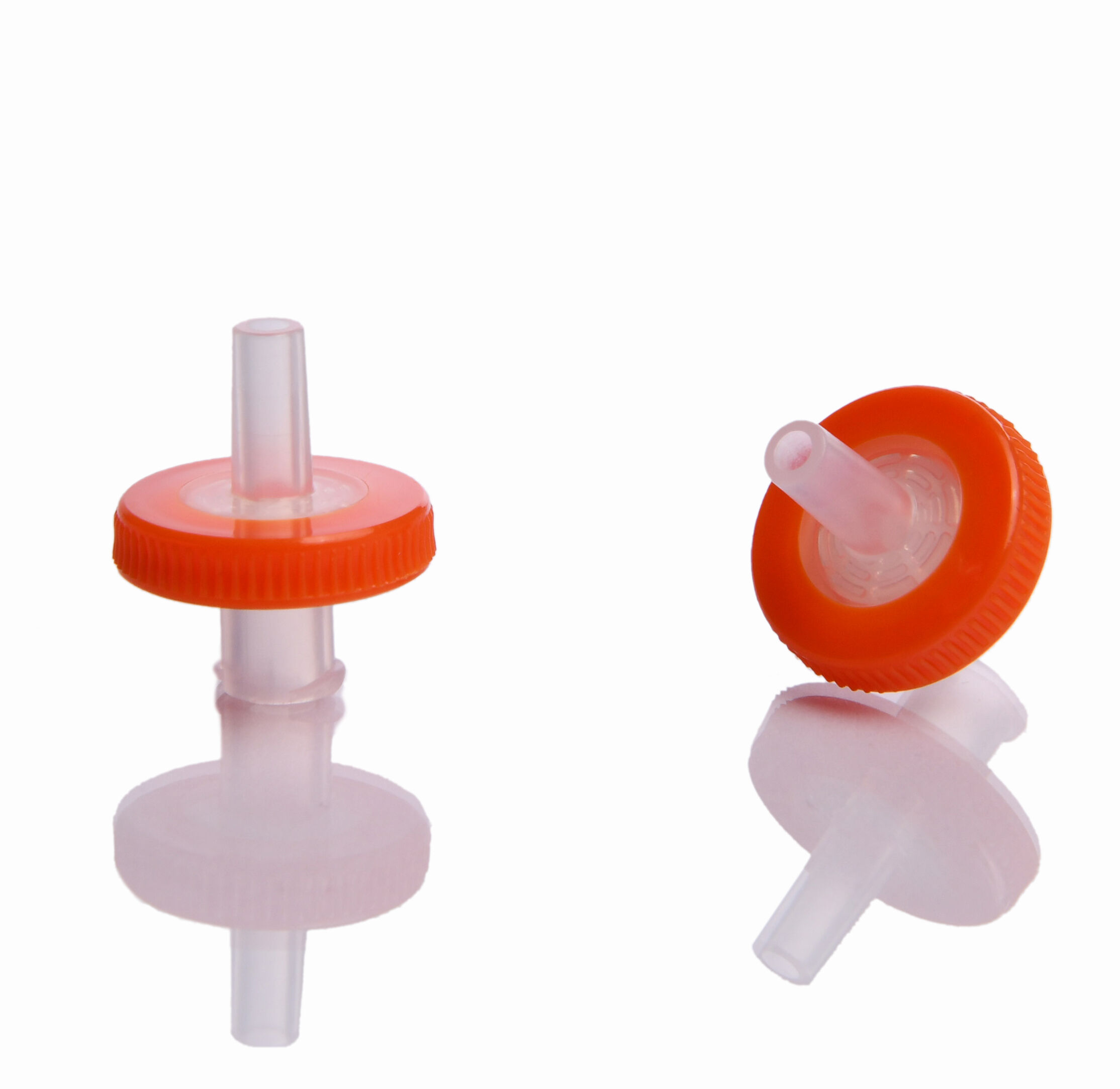
Laboratory testing relies heavily on precision instruments and consumables that ensure accurate, reproducible results across various analytical procedures. Among these essential tools, the syringe filter stands out as a critical component for sample preparation and purification processes. These compact filtration devices serve multiple purposes in modern laboratories, from removing particulates and contaminants to sterilizing solutions before analysis. Understanding the diverse applications of syringe filter technology helps laboratory professionals optimize their workflows and maintain the highest standards of analytical excellence.
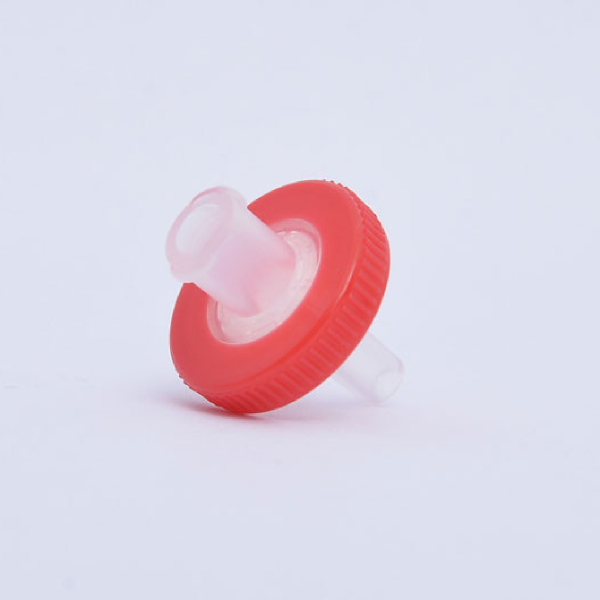
The versatility of syringe filter applications extends across numerous laboratory disciplines, including pharmaceutical analysis, environmental testing, food safety evaluation, and biotechnology research. Each application presents unique challenges that require specific filtration characteristics, membrane materials, and pore sizes. Modern laboratories depend on these filtration solutions to eliminate interference from unwanted particles, clarify turbid samples, and prepare solutions for sensitive analytical instruments such as HPLC, GC-MS, and UV-Vis spectrophotometers.
Sample Preparation for Chromatographic Analysis
HPLC Sample Filtration Requirements
High-performance liquid chromatography demands exceptionally clean samples to prevent column damage and ensure reliable analytical results. The syringe filter serves as the final filtration step before sample injection, removing particles that could clog injection ports or contaminate chromatographic columns. Typically, HPLC applications require filtration through 0.45 μm or 0.22 μm membranes to eliminate particulates while preserving the integrity of target analytes.
Different membrane materials offer specific advantages for various chromatographic applications. Nylon membranes provide excellent chemical compatibility with organic solvents commonly used in reversed-phase chromatography, while PTFE membranes excel in aggressive solvent conditions. PVDF membranes offer low protein binding characteristics, making them ideal for biological sample preparation. The selection of appropriate syringe filter membrane depends on sample matrix compatibility, analyte characteristics, and mobile phase composition.
Gas Chromatography Sample Preparation
Gas chromatography sample preparation often involves volatile organic compound analysis, requiring specialized filtration approaches. The syringe filter plays a crucial role in removing non-volatile particulates and matrix interferences that could compromise analytical performance. For headspace analysis and direct injection techniques, filtration ensures that only the target compounds reach the analytical column while preventing contamination of injection systems.
Environmental samples analyzed by GC-MS frequently contain suspended solids, oils, and other interferents that must be removed before analysis. Syringe filter technology enables rapid sample cleanup without the need for complex extraction procedures. The choice of membrane material becomes critical when dealing with hydrophobic compounds or samples containing high levels of organic solvents that could dissolve certain filter materials.
Microbiological and Sterility Testing Applications
Sterile Filtration Procedures
Sterile filtration represents one of the most critical applications of syringe filter technology in laboratory settings. The 0.22 μm pore size has become the industry standard for sterilizing heat-sensitive solutions, culture media, and pharmaceutical preparations. This filtration process removes bacteria, yeast, and other microorganisms while preserving the chemical integrity of thermolabile compounds that cannot withstand autoclave sterilization.
Pharmaceutical laboratories rely heavily on sterile filtration during drug development, quality control testing, and stability studies. The syringe filter provides a convenient method for sterilizing small volumes of test solutions, reference standards, and buffer preparations. Proper validation of sterile filtration processes requires demonstrating the complete removal of challenge organisms while maintaining solution sterility throughout the filtration procedure.
Microbiological Sample Processing
Microbiological testing often requires the separation of microbial cells from culture supernatants or the clarification of turbid samples for downstream analysis. Syringe filter technology enables rapid processing of small sample volumes without the need for centrifugation or other time-consuming separation techniques. Different pore sizes allow for selective retention or passage of specific microorganisms based on their cellular dimensions.
Environmental microbiology applications frequently involve the analysis of water samples, soil extracts, and other complex matrices containing various microorganisms and particulates. The syringe filter provides an efficient method for sample clarification and organism concentration, facilitating subsequent identification and enumeration procedures. Membrane selection becomes crucial when dealing with samples containing different types of microorganisms or when specific retention characteristics are required.
Pharmaceutical and Drug Development Applications
Active Pharmaceutical Ingredient Analysis
Pharmaceutical analysis requires exceptional attention to sample purity and contamination control throughout all testing procedures. The syringe filter serves as an essential tool for removing particulates from drug solutions, ensuring accurate quantitative analysis of active pharmaceutical ingredients. Dissolution testing, content uniformity analysis, and stability studies all benefit from proper sample filtration to eliminate interference from excipients, degradation products, and environmental contaminants.
Drug formulation development involves extensive testing of various excipient combinations and manufacturing processes that can introduce particulate matter into test samples. Syringe filter technology enables consistent sample preparation protocols that minimize variability between analytical runs. The selection of appropriate membrane materials ensures compatibility with diverse pharmaceutical formulations while preventing analyte adsorption or leaching of extractables that could compromise analytical results.
Biotechnology and Protein Analysis
Biotechnology applications present unique challenges related to protein stability, aggregation, and non-specific binding during filtration processes. Low protein-binding syringe filter membranes have been specifically developed to minimize sample loss and maintain protein integrity during sample preparation. These specialized membranes prevent protein adsorption while effectively removing particles and contaminants that could interfere with downstream analysis.
Monoclonal antibody production and characterization require careful attention to sample handling and filtration procedures to preserve protein structure and biological activity. Syringe filter technology provides a gentle filtration method that removes aggregates and particles without subjecting proteins to harsh mechanical stress. The use of appropriate membrane materials and pore sizes ensures optimal recovery of target proteins while eliminating potential interferents.
Environmental and Food Safety Testing
Water Quality Analysis
Environmental water testing involves the analysis of diverse sample types ranging from pristine groundwater to heavily contaminated industrial effluents. The syringe filter plays a crucial role in sample preparation by removing suspended particles that could interfere with analytical measurements or damage sensitive instrumentation. Different filtration strategies are employed depending on the target analytes and analytical methods being used.
Trace metal analysis requires special attention to contamination control and sample preservation during filtration. Syringe filter materials must be carefully selected to minimize metal leaching while effectively removing particulates that could affect analytical results. Pre-conditioning procedures and quality control measures ensure that filtration does not introduce contaminants or alter the chemical composition of environmental samples.
Food and Beverage Analysis
Food safety testing encompasses a wide range of analytical procedures designed to detect contaminants, adulterants, and quality parameters in food matrices. The syringe filter enables rapid sample preparation for pesticide residue analysis, mycotoxin detection, and nutritional component quantification. Complex food matrices often require specialized filtration approaches to remove interfering compounds while preserving target analytes.
Beverage analysis presents unique challenges related to carbonation, alcohol content, and various dissolved components that can affect filtration performance. Syringe filter selection must consider chemical compatibility with alcohol, acids, and other beverage constituents while providing effective particle removal. Quality control testing of beverages requires consistent filtration procedures that maintain sample integrity throughout the analytical workflow.
Specialized Laboratory Applications
Cell Culture and Tissue Engineering
Cell culture applications require sterile conditions and particle-free media to support optimal cell growth and experimental reproducibility. The syringe filter provides an essential tool for sterilizing culture media supplements, growth factors, and other additives that cannot be autoclaved. Different membrane materials offer varying levels of biocompatibility and extractable compounds that could affect cell viability.
Tissue engineering research often involves the preparation of complex biomaterial solutions and cell suspensions that require careful filtration to remove aggregates and contaminants. Syringe filter technology enables precise control over filtration conditions while maintaining the viability of biological components. The selection of appropriate pore sizes allows for selective retention or passage of different cell types based on their morphological characteristics.
Clinical and Diagnostic Applications
Clinical laboratory testing requires reliable sample preparation methods that ensure accurate diagnostic results while minimizing contamination risks. The syringe filter serves multiple functions in clinical applications, from clarifying turbid specimens to removing cellular debris that could interfere with analytical measurements. Different sample types require specific filtration strategies based on their composition and analytical requirements.
Immunoassay procedures often benefit from sample filtration to remove particles that could cause optical interference or non-specific binding. Syringe filter technology provides a convenient method for sample cleanup without significantly diluting analytes or introducing matrix effects. The use of low-binding membranes ensures minimal loss of target proteins and other biomolecules during filtration.
Quality Control and Validation Considerations
Filtration Performance Validation
Proper validation of syringe filter performance requires comprehensive testing of filtration efficiency, extractables, particle retention, and microbial removal capabilities. Different analytical applications may require specific validation protocols to demonstrate that filtration procedures do not adversely affect analytical results. Quality control testing ensures consistent performance across different filter lots and storage conditions.
Regulatory compliance in pharmaceutical and clinical applications demands thorough documentation of filtration procedures and validation data. Syringe filter manufacturers typically provide extensive technical documentation including certificates of analysis, validation protocols, and regulatory compliance information. Laboratory personnel must understand these requirements to ensure proper implementation of filtration procedures.
Troubleshooting Common Filtration Issues
Filtration problems can significantly impact analytical results and laboratory productivity, making it essential to understand common issues and their solutions. Membrane fouling, breakthrough, and adsorption represent the most frequent challenges encountered during syringe filter applications. Proper sample preparation, membrane selection, and filtration techniques can prevent most of these problems.
Analytical method development should include optimization of filtration procedures to ensure consistent and reliable results. Different sample matrices may require specific filtration strategies or membrane materials to achieve optimal performance. Regular evaluation of filtration efficiency and method robustness helps maintain analytical quality and detect potential issues before they affect critical results.
FAQ
What pore size syringe filter should I use for HPLC sample preparation
For HPLC sample preparation, 0.45 μm or 0.22 μm pore size syringe filters are most commonly used. The 0.45 μm size effectively removes particles that could damage columns while allowing most analytes to pass through. Choose 0.22 μm for more critical applications or when dealing with smaller particles. The membrane material should be compatible with your mobile phase and sample matrix, with nylon, PTFE, and PVDF being popular choices for different applications.
Can syringe filters be used for protein samples without losing the target protein
Yes, but membrane selection is crucial for protein samples. Low protein-binding membranes such as PVDF or specialized PES membranes minimize protein adsorption and loss. Avoid cellulose-based membranes for protein applications as they tend to bind proteins more readily. Pre-wet the filter with buffer and consider using a larger pore size (0.45 μm instead of 0.22 μm) if sterility is not required, as this reduces the risk of protein retention.
How do I choose the right membrane material for my application
Membrane selection depends on chemical compatibility, binding characteristics, and specific application requirements. Nylon membranes offer excellent chemical resistance for organic solvents, PTFE provides superior chemical compatibility with aggressive solvents, PVDF offers low protein binding for biological samples, and cellulose acetate works well for aqueous samples. Consider your sample matrix, mobile phase composition, and whether you need to minimize extractables or protein binding when making your selection.
What are the signs that a syringe filter is not performing properly
Signs of poor syringe filter performance include difficulty pushing sample through the filter, cloudy or turbid filtrate when clear filtrate is expected, unusual peaks in chromatograms that could indicate extractables, and inconsistent analytical results between filtered and unfiltered samples. Membrane breakthrough, evidenced by particles in the filtrate, and excessive pressure required for filtration also indicate filter problems. Regular quality control checks and proper storage conditions help prevent these issues.