
 EN
EN



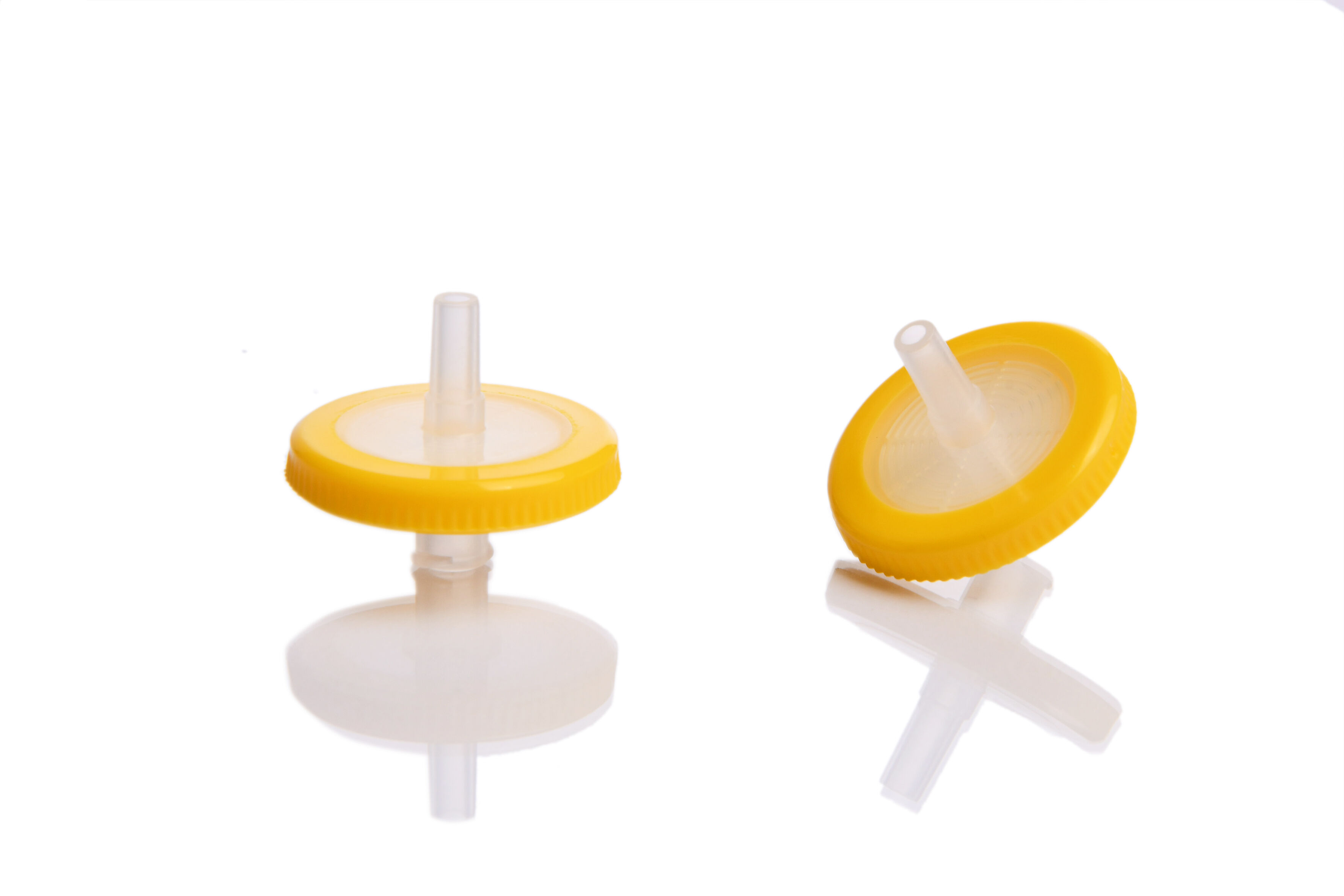
Laboratory filtration demands precision and reliability, especially when sample integrity is paramount to research outcomes. A syringe filter serves as a critical component in analytical workflows, enabling researchers to remove particulates and contaminants from liquid samples before analysis. Understanding the various factors that influence both performance and operational lifespan of these essential filtration devices can significantly impact laboratory efficiency and result accuracy. Multiple variables contribute to how well a syringe filter functions and how long it remains effective during use. From membrane material selection to operating conditions, each element plays a crucial role in determining overall filtration success.
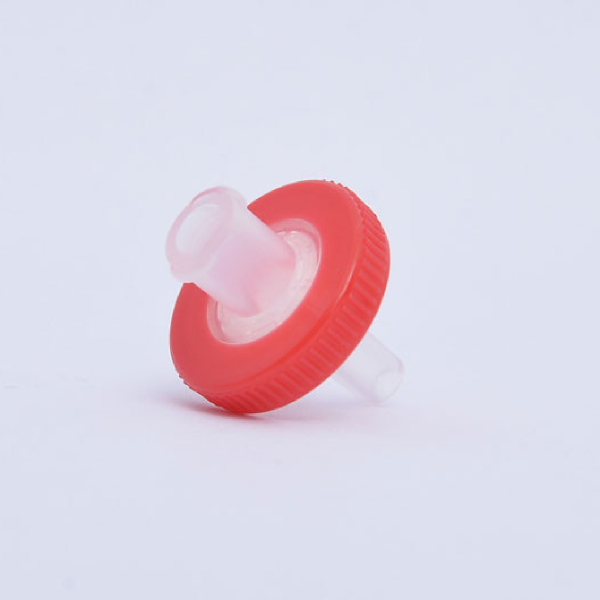
Membrane Material Properties and Compatibility
Chemical Compatibility Considerations
The membrane material forms the foundation of syringe filter performance, directly influencing both filtration efficiency and device longevity. Different membrane compositions exhibit varying degrees of chemical resistance, affecting how the filter interacts with specific solvents and sample matrices. Polytetrafluoroethylene (PTFE) membranes demonstrate exceptional chemical inertness, making them suitable for aggressive organic solvents and extreme pH conditions. Polyvinylidene fluoride (PVDF) offers excellent protein binding characteristics while maintaining good chemical compatibility with most laboratory solvents. Nylon membranes provide superior mechanical strength but may show limitations when exposed to certain acidic or basic solutions.
Sample compatibility extends beyond basic chemical resistance to include considerations of membrane hydrophobicity and hydrophilicity. Hydrophilic membranes like regenerated cellulose excel at filtering aqueous solutions but may struggle with organic solvents. Conversely, hydrophobic membranes such as PTFE require pre-wetting with appropriate solvents to achieve optimal flow rates with aqueous samples. Understanding these compatibility relationships ensures proper syringe filter selection for specific applications, preventing premature failure or compromised filtration results.
Pore Size Distribution Impact
Pore size uniformity significantly affects both filtration efficiency and membrane lifespan during extended use. Membranes with narrow pore size distributions provide more predictable retention characteristics, ensuring consistent particle removal across the entire filter surface. Wide pore size distributions can lead to preferential flow paths, causing uneven loading and potential breakthrough of contaminants. The relationship between nominal pore size and actual retention characteristics varies among membrane materials, influenced by factors such as membrane thickness and surface structure.
Membrane tortuosity, representing the complexity of pore pathways through the filter matrix, directly impacts both flow rate and particle retention efficiency. Higher tortuosity generally improves particle capture but may reduce overall throughput capacity. The balance between retention efficiency and flow characteristics determines optimal operating parameters for specific syringe filter applications. Understanding these relationships helps predict when membrane replacement becomes necessary based on declining performance indicators.
Operating Pressure and Flow Rate Dynamics
Pressure Threshold Management
Operating pressure represents a critical parameter affecting both immediate performance and long-term durability of syringe filter systems. Excessive pressure can cause membrane deformation, leading to pore enlargement and compromised retention characteristics. Most syringe filters operate optimally within specific pressure ranges, typically between 10 to 50 psi depending on membrane material and pore size. Pressure spikes during sample introduction can damage delicate membrane structures, particularly in sensitive materials like regenerated cellulose or mixed cellulose esters.
Gradual pressure application allows membranes to accommodate flow demands without structural damage, extending operational lifespan significantly. Rapid pressure changes, common with manual syringe operation, create stress concentrations that may initiate membrane failure points. Understanding pressure limitations helps establish proper operating procedures that maximize both filtration efficiency and device longevity. Monitoring pressure drop across the syringe filter during operation provides valuable insights into membrane condition and remaining useful life.
Flow Rate Optimization Strategies
Flow rate control directly influences particle loading patterns and membrane utilization efficiency throughout the filtration process. Optimal flow rates vary significantly based on sample characteristics, membrane properties, and desired filtration outcomes. High flow rates may cause particle breakthrough or uneven loading, while excessively low rates can extend processing time without improving filtration quality. The relationship between flow rate and membrane loading capacity determines maximum sample throughput before replacement becomes necessary.
Viscosity effects become particularly important when filtering complex sample matrices or samples containing high solute concentrations. Higher viscosity samples require reduced flow rates to maintain effective particle separation, impacting overall processing efficiency. Temperature-dependent viscosity changes can alter optimal operating conditions during extended filtration sessions. A syringe filter designed for specific viscosity ranges ensures consistent performance across varying sample conditions.
Sample Matrix and Contamination Effects
Particle Loading Capacity
The concentration and size distribution of particles in sample matrices directly determine syringe filter operational lifespan and filtration efficiency. High particle loading can rapidly reduce membrane permeability, leading to increased pressure requirements and reduced flow rates. Large particles tend to form surface cake layers that may improve filtration efficiency for smaller particles but significantly impact overall throughput capacity. Understanding particle loading characteristics helps predict filter replacement intervals and optimize sample preparation procedures.
Particle shape and deformability influence how quickly membranes reach capacity limits during extended use. Spherical particles typically create more uniform cake layers compared to irregular or fibrous particles that may cause localized fouling. Compressible particles can deform under pressure, potentially penetrating deeper into membrane structures and causing more severe fouling. These characteristics affect both immediate filtration performance and the ability to restore membrane function through backwashing or cleaning procedures.
Chemical Fouling Mechanisms
Chemical fouling occurs when sample components interact with membrane surfaces, causing permanent or semi-permanent changes in filtration characteristics. Protein adsorption represents a common fouling mechanism that can significantly reduce membrane permeability and alter surface properties. Hydrophobic interactions between sample components and membrane materials can lead to irreversible binding, necessitating syringe filter replacement. Understanding fouling mechanisms helps select appropriate membrane materials and operating conditions that minimize these effects.
Ionic interactions between charged particles and membrane surfaces can create electrostatic fouling that varies with solution pH and ionic strength. Some membrane materials exhibit greater susceptibility to ionic fouling, particularly when filtering samples with high salt concentrations or extreme pH values. Temperature effects on chemical fouling rates can influence optimal operating conditions for extended filtration sessions. Proper sample pretreatment and membrane selection strategies can significantly reduce chemical fouling impacts on syringe filter performance.
Environmental and Storage Conditions
Temperature Stability Factors
Operating temperature significantly affects membrane material properties and overall syringe filter performance characteristics. Elevated temperatures can increase membrane flexibility and pore size, potentially compromising retention efficiency while improving flow rates. Temperature cycling may cause dimensional changes in membrane materials, leading to stress concentrations and potential failure points. Most syringe filters operate optimally within narrow temperature ranges, typically between 15 to 35 degrees Celsius for standard laboratory applications.
Thermal stability varies significantly among different membrane materials, with fluoropolymers generally exhibiting superior high-temperature performance compared to cellulosic materials. Temperature-dependent solvent compatibility can change dramatically, particularly for samples containing volatile components or temperature-sensitive compounds. Storage temperature affects membrane integrity during extended periods, with extreme temperatures potentially causing material degradation or dimensional changes that impact subsequent performance.
Humidity and Environmental Control
Relative humidity levels influence membrane material properties, particularly for hydrophilic membranes that readily absorb moisture from ambient air. High humidity environments can cause dimensional swelling in certain membrane materials, altering pore structure and flow characteristics. Conversely, low humidity conditions may lead to membrane dehydration and brittleness, increasing susceptibility to mechanical damage during handling and use. Proper environmental control ensures consistent syringe filter performance across varying operating conditions.
Contamination from airborne particles or chemical vapors can accumulate on membrane surfaces during storage, affecting initial filtration performance. Sealed packaging provides protection against environmental contamination but may not prevent all forms of degradation during extended storage periods. Understanding environmental sensitivity helps establish appropriate storage procedures that maintain syringe filter quality until use. Regular inventory rotation ensures devices remain within optimal performance parameters throughout their shelf life.
Quality Control and Performance Monitoring
Performance Indicator Assessment
Systematic monitoring of key performance indicators provides valuable insights into syringe filter condition and remaining useful life. Flow rate degradation represents the most common indicator of declining performance, typically manifesting as increased pressure requirements for maintaining target flow rates. Particle breakthrough detection requires specialized analytical techniques but provides definitive information about membrane integrity and retention efficiency. Visual inspection of filtered samples can reveal obvious contamination issues but may not detect subtle performance degradation.
Pressure drop measurements across the syringe filter provide quantitative data about membrane condition and fouling severity. Baseline pressure measurements establish reference points for comparing performance throughout the filtration process. Significant increases in pressure drop indicate membrane fouling or particle accumulation that may compromise filtration quality. Understanding normal pressure drop patterns helps identify when syringe filter replacement becomes necessary for maintaining acceptable performance standards.
Validation and Testing Protocols
Standardized testing protocols ensure consistent syringe filter performance evaluation across different applications and operating conditions. Bubble point testing provides information about membrane integrity and maximum pore size characteristics. Flow rate testing under standardized conditions establishes baseline performance parameters for comparison during use. Retention testing with standard particle suspensions validates filtration efficiency and helps predict performance with actual samples.
Regular validation procedures help identify performance trends and optimize replacement intervals for specific applications. Documentation of testing results provides valuable data for troubleshooting performance issues and improving operating procedures. Correlation between testing results and actual sample filtration performance helps refine validation protocols for better predictive capability. Proper validation procedures ensure syringe filter performance meets application requirements throughout their operational lifespan.
FAQ
How does membrane material selection affect syringe filter lifespan
Membrane material directly impacts both chemical compatibility and mechanical durability, with different materials offering varying resistance to degradation mechanisms. PTFE membranes typically provide the longest lifespan in aggressive chemical environments due to their exceptional inertness, while nylon membranes offer superior mechanical strength but may degrade faster in extreme pH conditions. The choice of membrane material should balance chemical compatibility requirements with expected operational lifespan for specific applications. Proper material selection can extend syringe filter useful life by 50-75% compared to inappropriate material choices.
What operating pressure range optimizes both performance and durability
Most syringe filters perform optimally within 10-50 psi operating pressure, with specific ranges varying based on membrane material and pore size characteristics. Operating below minimum pressure thresholds may result in inadequate flow rates and inefficient filtration, while excessive pressure can cause membrane damage and reduced lifespan. Gradual pressure application and avoiding pressure spikes help maximize membrane durability while maintaining acceptable flow rates. Monitoring pressure drop across the filter provides valuable feedback for optimizing operating conditions within safe ranges.
How do sample characteristics influence filter replacement frequency
Sample particle loading, chemical composition, and viscosity directly determine how quickly syringe filters reach capacity limits and require replacement. High particle concentrations can reduce filter lifespan by 80-90% compared to clean samples, necessitating more frequent replacement intervals. Samples containing proteins or other fouling agents may cause irreversible membrane changes that limit reusability even after apparent cleaning. Understanding sample characteristics helps establish appropriate replacement schedules that maintain consistent filtration quality throughout analytical workflows.
What storage conditions best preserve syringe filter performance
Optimal storage conditions include controlled temperature (15-25°C), moderate humidity (30-60% RH), and protection from direct sunlight and chemical vapors. Sealed original packaging provides the best protection against environmental contamination and moisture fluctuations that can degrade membrane materials. Extreme temperatures should be avoided as they can cause dimensional changes or material degradation that compromises subsequent performance. Proper storage can extend shelf life by 12-24 months beyond standard expiration dates while maintaining full performance capabilities.