
 EN
EN



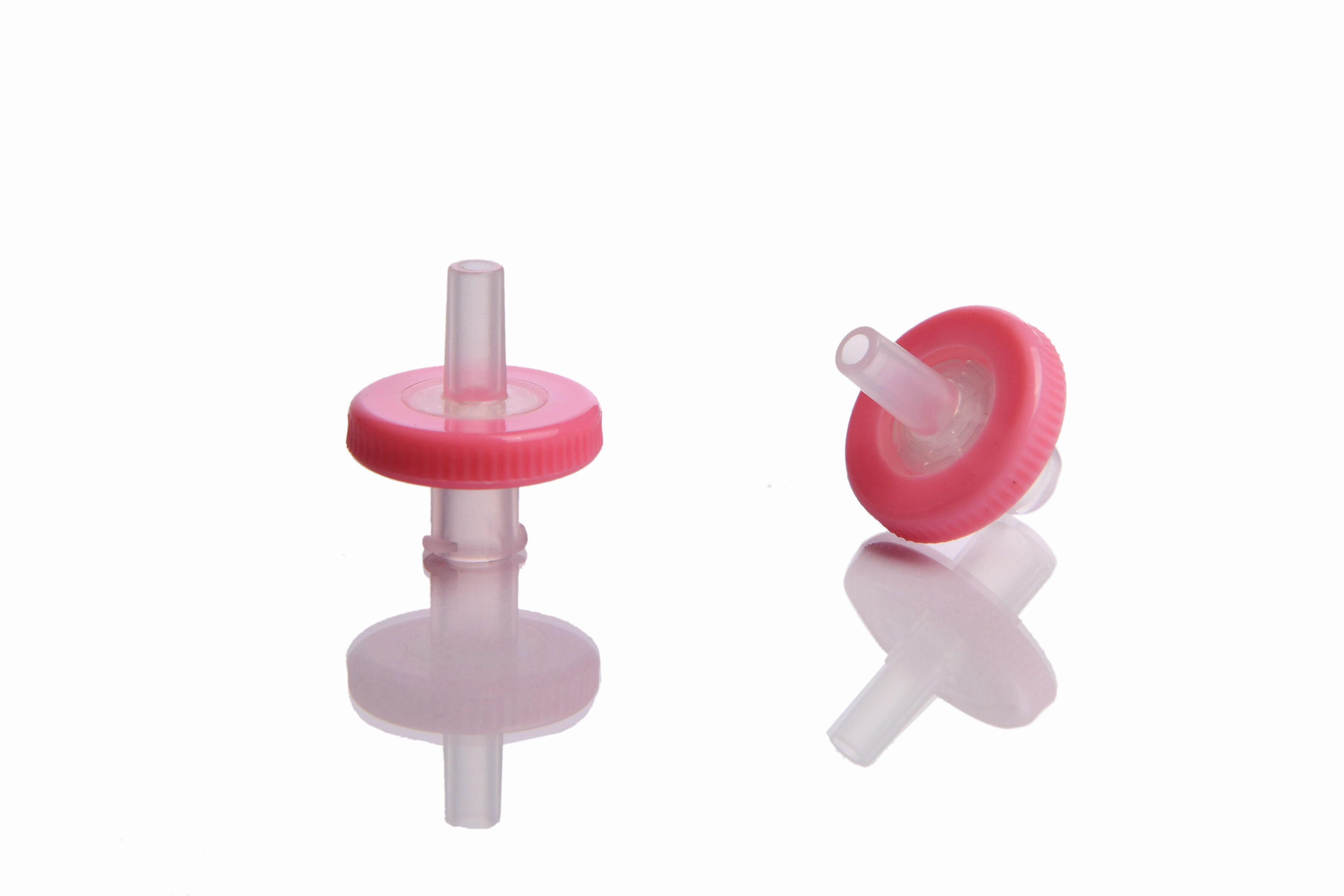
Selecting the appropriate syringe filter is crucial for ensuring accurate analytical results and maintaining the integrity of your laboratory procedures. A syringe filter serves as a critical component in sample preparation, removing particulates and contaminants that could interfere with downstream analysis or damage sensitive instrumentation. Understanding the various factors that influence filter selection will help you make informed decisions that optimize your analytical workflow and produce reliable data.
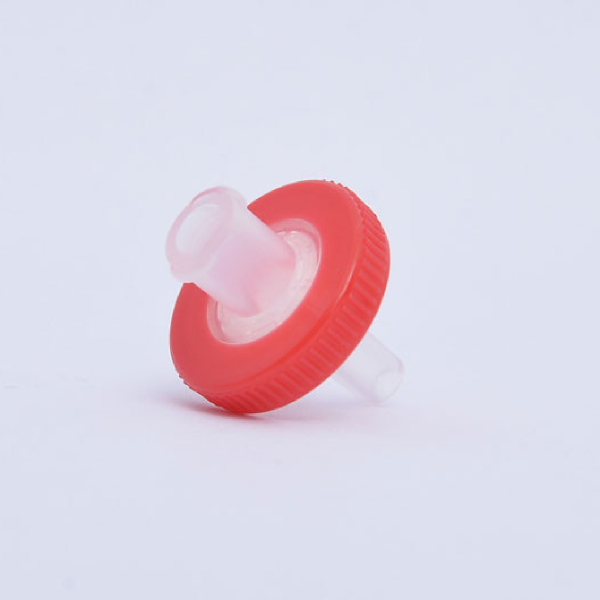
The world of analytical chemistry demands precision at every step, and filtration represents one of the most fundamental yet critical processes in sample preparation. Modern laboratories handle increasingly complex matrices and trace-level analyses, making the choice of filtration media more important than ever. Whether you are working with aggressive solvents, aqueous solutions, or biological samples, the wrong filter choice can lead to sample loss, contamination, or compromised results.
Understanding Syringe Filter Fundamentals
Basic Construction and Design Principles
A typical syringe filter consists of a housing made from polypropylene or other chemically resistant materials, containing a filtration membrane with specific pore sizes and chemical properties. The housing design ensures proper sealing while allowing efficient flow through the membrane. Most filters feature a female luer-lock inlet and male luer-slip outlet, providing secure connections to syringes and ensuring leak-free operation during filtration processes.
The membrane represents the heart of any syringe filter, determining both the filtration efficiency and chemical compatibility with your solvent system. Different membrane materials exhibit varying degrees of hydrophilicity, chemical resistance, and mechanical strength. Understanding these characteristics helps in selecting the most appropriate filter for specific applications, ensuring optimal performance and avoiding potential interactions that could affect your analytical results.
Pore Size Classifications and Applications
Pore size selection depends primarily on the nature of contaminants you need to remove and the specific requirements of your analytical method. Common pore sizes range from 0.1 micrometers for sterilization applications to 5.0 micrometers for removing large particulates. The 0.22-micrometer syringe filter represents the most popular choice for general laboratory use, effectively removing bacteria and most particulates while maintaining reasonable flow rates.
For HPLC and UHPLC applications, 0.22-micrometer filters provide the ideal balance between filtration efficiency and flow rate. These filters remove particles that could damage column frits or cause baseline noise while allowing rapid processing of samples. Larger pore sizes like 0.45 micrometers work well for clarifying viscous solutions or when maximum flow rate takes priority over fine particle removal.
Membrane Material Selection Criteria
Hydrophilic Membrane Options
Hydrophilic membranes demonstrate excellent wetting properties with aqueous solutions and polar solvents, making them ideal for biological samples, buffer solutions, and water-based mobile phases. Polyethersulfone (PES) membranes offer broad chemical compatibility and low protein binding, making them suitable for protein analysis and pharmaceutical applications. These membranes maintain structural integrity across a wide pH range and resist degradation from common laboratory chemicals.
Cellulose acetate membranes provide cost-effective filtration for aqueous solutions and demonstrate good compatibility with most biological samples. However, they show limited resistance to strong acids, bases, and organic solvents. Nylon membranes combine hydrophilic properties with excellent chemical resistance, particularly to alcohols and many organic solvents, making them versatile choices for mixed solvent systems commonly used in chromatography.
Hydrophobic Membrane Characteristics
Hydrophobic membranes excel in filtering non-polar solvents and aggressive chemicals that might damage hydrophilic alternatives. Polytetrafluoroethylene (PTFE) membranes offer exceptional chemical resistance and can handle virtually any organic solvent, including chlorinated compounds, strong acids, and bases. Their hydrophobic nature makes them ideal for filtering oils, organic synthesis products, and other non-aqueous solutions.
Polyvinylidene fluoride (PVDF) membranes provide a balance between chemical resistance and versatility, handling both aqueous and organic solvents effectively. These membranes work particularly well with alcohols, ketones, and other moderately polar organic solvents. PVDF filters demonstrate excellent durability and maintain consistent performance even under challenging chemical conditions, making them popular choices for routine analytical work.
Chemical Compatibility Considerations
Solvent Interaction Assessment
Chemical compatibility represents perhaps the most critical factor in syringe filter selection, as incompatible combinations can lead to membrane degradation, extractable contamination, or complete filter failure. Before selecting a filter, thoroughly review the chemical compatibility charts provided by manufacturers and consider not only the primary solvent but also any additives, buffers, or pH adjusters present in your solution.
Temperature effects significantly impact chemical compatibility, as elevated temperatures can accelerate degradation reactions and increase the solubility of membrane components in your sample. Many filters that perform adequately at room temperature may fail when exposed to heated solvents or samples. Always consider the maximum operating temperature of your chosen syringe filter and ensure it exceeds any thermal stress your application might impose.
pH Stability Requirements
Different membrane materials exhibit varying degrees of pH stability, and selecting an inappropriate filter for your solution's pH range can result in membrane degradation or contamination of your sample. Most cellulose-based membranes work well in the pH range of 4-8 but may hydrolyze under extreme conditions. Synthetic membranes like PES and PTFE generally offer broader pH compatibility, handling strongly acidic or basic solutions without significant degradation.
Long-term exposure to extreme pH conditions can cause gradual membrane deterioration even in supposedly compatible systems. For critical applications involving solutions outside the neutral pH range, consider conducting compatibility tests with small sample volumes before processing larger batches. This approach helps identify potential issues before they compromise valuable samples or analytical results.
Performance Characteristics and Flow Rates
Filtration Efficiency Factors
The efficiency of a syringe filter depends on multiple factors including pore size, membrane thickness, effective filtration area, and the nature of particles being removed. Membrane thickness affects both filtration capacity and flow rate, with thinner membranes providing faster flow but potentially reduced particle retention capacity. The effective filtration area, determined by the membrane diameter and porosity, directly impacts both flow rate and dirt-holding capacity.
Particle size distribution in your sample significantly influences filtration performance and filter selection. Solutions containing particles close to the membrane pore size may cause rapid plugging and reduced flow rates, necessitating pre-filtration or selection of filters with larger pore sizes. Understanding your sample's particle characteristics helps optimize filter choice and predict filtration performance under actual working conditions.
Flow Rate Optimization
Flow rate requirements vary significantly depending on your application and sample volume requirements. High-throughput laboratories processing numerous samples require filters that maintain reasonable flow rates without compromising filtration quality. Membrane diameter plays a crucial role in flow rate, with larger diameter filters generally providing higher flow rates for equivalent pore sizes and pressure conditions.
Applied pressure affects flow rate but should be controlled carefully to avoid membrane rupture or bypass. Most syringe filter manufacturers specify maximum operating pressures, and exceeding these limits can result in filter failure or compromised filtration efficiency. For applications requiring high flow rates, consider using multiple smaller filters in parallel rather than applying excessive pressure to a single filter.
Quality Assurance and Validation
Manufacturing Standards and Certifications
Quality syringe filter selection requires consideration of manufacturing standards and certifications relevant to your specific application. Filters intended for pharmaceutical or clinical applications should meet appropriate regulatory requirements and undergo rigorous quality control testing. Look for manufacturers that provide comprehensive certificates of analysis documenting key performance parameters such as bubble point, flow rate, and extractable levels.
Batch-to-batch consistency becomes critical in quantitative analysis where small variations in filter performance could affect results. Reputable manufacturers implement statistical process controls and conduct regular quality audits to ensure consistent product performance. When possible, source filters from suppliers who maintain ISO certifications and follow Good Manufacturing Practices relevant to your industry sector.
Validation Testing Protocols
Proper validation of syringe filter performance requires testing under conditions that closely simulate your actual application requirements. Recovery studies using representative analytes help identify potential adsorption or interference issues that might not be apparent from manufacturer specifications alone. These studies should include multiple analyte concentrations spanning your typical working range to identify concentration-dependent effects.
Extractable and leachable studies become particularly important when working with trace-level analyses or when filters will contact samples for extended periods. Even small amounts of extractable compounds from the filter housing or membrane can cause interference in sensitive analytical methods. Conducting appropriate blank studies and comparing filtered versus unfiltered standards helps identify and quantify any potential interferences from your chosen syringe filter.
Economic and Practical Considerations
Cost-Benefit Analysis
While cost considerations should not override technical requirements, understanding the economic implications of filter selection helps optimize laboratory budgets without compromising analytical quality. Premium filters with specialized membranes or enhanced specifications may justify their higher cost in critical applications where sample loss or contamination would be particularly costly or problematic.
Volume requirements significantly impact the economic equation, as high-volume applications benefit from bulk purchasing and may justify investment in automated filtration systems. Consider the total cost of ownership including labor time, potential rework costs, and the value of samples being processed when evaluating different syringe filter options for routine applications.
Storage and Shelf Life Management
Proper storage conditions extend syringe filter shelf life and maintain performance characteristics throughout the storage period. Most filters should be stored in clean, dry conditions away from direct sunlight and extreme temperatures. Membrane materials can degrade over time, particularly when exposed to humidity or chemical vapors, potentially affecting filtration performance or introducing contaminants into your samples.
Inventory management becomes important for laboratories using multiple filter types or processing varying sample volumes. Implementing first-in-first-out rotation helps ensure filters are used within their specified shelf life, while maintaining adequate stock levels prevents delays in sample processing. Consider the frequency of use and shelf life when determining appropriate inventory levels for different syringe filter types.
FAQ
What is the difference between hydrophilic and hydrophobic syringe filters
Hydrophilic syringe filter membranes have an affinity for water and polar solvents, making them ideal for filtering aqueous solutions, biological samples, and polar organic solvents. These filters wet easily with water-based solutions and provide efficient flow rates for polar liquids. Hydrophobic filters repel water and are designed for filtering non-polar solvents, oils, and aggressive chemicals. They resist wetting by aqueous solutions but work excellently with organic solvents and can handle chemically aggressive solutions that might damage hydrophilic alternatives.
How do I determine the correct pore size for my application
Pore size selection depends on the size of particles you need to remove and your analytical requirements. For sterilization or removal of bacteria, choose 0.22-micrometer pores or smaller. For general particulate removal in HPLC applications, 0.22-micrometer filters provide optimal balance between filtration efficiency and flow rate. Use 0.45-micrometer filters for rapid clarification of solutions where fine particle removal is less critical. For removing only large debris, 0.8 to 5.0-micrometer pores offer high flow rates while protecting downstream equipment.
Can I reuse syringe filters for multiple samples
Syringe filters are designed as single-use devices and should not be reused for different samples due to contamination risks and reduced performance. Once a filter has been used, it may retain particles, analytes, or contaminants that could cross-contaminate subsequent samples. Additionally, the membrane may have reached its particle-holding capacity or suffered structural damage during initial use, compromising filtration efficiency for subsequent applications. For economic reasons, use appropriately sized filters to minimize waste while maintaining sample integrity.
What should I do if my syringe filter clogs quickly during filtration
Rapid clogging typically indicates high particle load, inappropriate pore size selection, or membrane incompatibility with your sample matrix. Consider pre-filtering your sample through a larger pore size syringe filter to remove large particulates before final filtration. Alternatively, dilute your sample if concentration allows, or centrifuge before filtration to remove settleable particles. If clogging persists, evaluate whether your chosen membrane material is compatible with your solvent system, as swelling or dissolution can cause apparent clogging while actually representing filter failure.