
 EN
EN



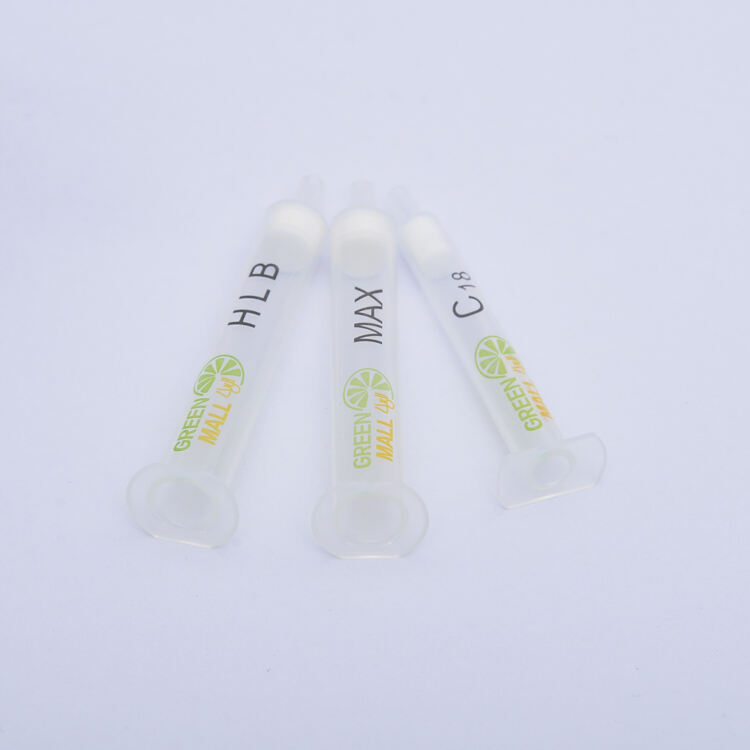
Molecular biology laboratories worldwide rely on efficient and reliable purification methods to ensure accurate research outcomes and diagnostic results. Among the various purification techniques available, spin column technology has emerged as a cornerstone methodology that combines speed, convenience, and exceptional purity levels. This innovative approach has revolutionized how researchers handle nucleic acid extraction, protein purification, and sample preparation workflows across diverse laboratory applications.
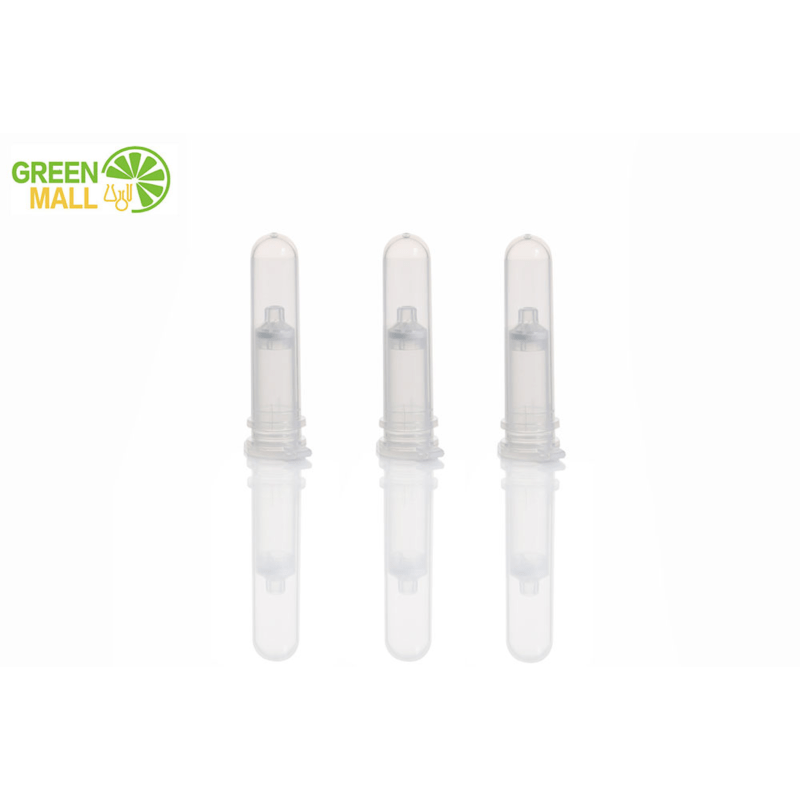
Enhanced Efficiency and Time Management
Rapid Processing Capabilities
The primary advantage of implementing spin column technology lies in its remarkable processing speed compared to traditional purification methods. While conventional techniques often require hours of incubation and multiple washing steps, spin column procedures typically complete within minutes through simple centrifugation cycles. This acceleration significantly improves laboratory throughput, enabling researchers to process multiple samples simultaneously without compromising quality standards.
Modern spin column designs incorporate optimized silica membranes that facilitate rapid binding and elution processes. The centrifugal force efficiently drives solutions through the column matrix, eliminating the need for vacuum pumps or gravity-dependent flow rates that can introduce variability and extend processing times. This streamlined approach allows laboratories to handle urgent sample requests and maintain consistent workflow schedules.
Workflow Standardization Benefits
Standardization represents another critical efficiency advantage offered by spin column systems. The predetermined column volumes, binding capacities, and elution parameters create reproducible conditions that minimize protocol variations between different operators and experimental sessions. This consistency proves invaluable for quality control purposes and regulatory compliance requirements in clinical and research environments.
The standardized nature of spin column protocols also facilitates training new laboratory personnel and reduces the learning curve associated with complex purification procedures. Clear step-by-step instructions and predefined reagent volumes eliminate guesswork and reduce the potential for human error, contributing to overall laboratory efficiency and reliability.
Superior Purity and Recovery Rates
Advanced Membrane Technology
Spin column technology employs sophisticated silica-based membranes engineered to provide exceptional binding selectivity and capacity. These membranes utilize controlled pore sizes and surface chemistry modifications that preferentially capture target molecules while allowing contaminants to pass through during washing steps. The result is consistently high purity levels that meet stringent requirements for downstream applications such as PCR amplification, sequencing, and cloning procedures.
The membrane design also incorporates optimal binding conditions that maximize recovery rates while maintaining purity standards. Unlike traditional methods that may suffer from incomplete binding or harsh elution conditions, spin column systems provide gentle yet effective recovery protocols that preserve molecular integrity and biological activity.
Contamination Reduction Strategies
Modern spin column designs integrate multiple contamination reduction features that enhance overall purity outcomes. The closed-system design minimizes exposure to environmental contaminants, while the sequential washing steps effectively remove proteins, salts, and other impurities that could interfere with downstream applications. This comprehensive purification approach ensures that final eluates meet the quality standards required for sensitive molecular biology techniques.
The elimination of phenol-chloroform extraction steps, which are commonly required in traditional methods, represents a significant contamination reduction advantage. Spin column protocols avoid the use of toxic organic solvents that can leave residual traces and introduce safety hazards in laboratory environments.
Cost-Effectiveness and Resource Optimization
Reduced Reagent Consumption
Spin column technology offers substantial cost advantages through optimized reagent utilization and reduced waste generation. The precise column volumes and predetermined reagent requirements eliminate overuse of expensive purification chemicals, while the efficient binding and elution processes maximize yield per unit of starting material. This resource optimization proves particularly valuable for laboratories processing large sample volumes or working with costly biological specimens.
The elimination of multiple reagent preparation steps and the associated quality control testing requirements further reduce operational costs. Pre-formulated buffers and standardized protocols minimize the time and materials required for reagent preparation, allowing laboratory resources to focus on core research activities rather than method maintenance.
Equipment and Infrastructure Savings
Implementing spin column systems requires minimal specialized equipment beyond standard laboratory centrifuges, representing significant capital cost savings compared to alternative purification technologies. The compact design and room-temperature storage requirements reduce infrastructure demands, while the disposable nature of columns eliminates cleaning and maintenance costs associated with reusable purification systems.
The reduced need for specialized ventilation systems, waste disposal protocols, and safety equipment further contributes to overall cost-effectiveness. Laboratories can implement spin column technology without major facility modifications or additional safety infrastructure investments.
Versatility and Application Range
Multiple Sample Types
Spin column technology demonstrates remarkable versatility in handling diverse sample types and biological materials. From blood and tissue specimens to bacterial cultures and environmental samples, spin column systems can be adapted to process virtually any source material containing nucleic acids or proteins. This flexibility eliminates the need for multiple purification platforms and simplifies laboratory inventory management.
The availability of specialized spin column variants designed for specific applications, such as plasmid purification, gel extraction, or PCR cleanup, provides tailored solutions that optimize performance for particular experimental requirements. This application-specific design approach ensures optimal results while maintaining the convenience and efficiency advantages of the spin column format.
Scalability Options
Modern spin column systems offer scalability options that accommodate varying sample volumes and throughput requirements. From individual tube processing to high-throughput plate formats, laboratories can select appropriate column configurations that match their specific workflow needs. This scalability ensures that the technology remains viable as laboratory demands evolve and expand over time.
The availability of automation-compatible formats enables seamless integration with robotic systems for high-throughput applications. This compatibility supports laboratory growth and efficiency improvements without requiring complete protocol redesign or equipment replacement.
Quality Control and Reproducibility
Consistent Performance Metrics
Spin column technology provides exceptional reproducibility through standardized manufacturing processes and quality control measures. Each column undergoes rigorous testing to ensure consistent binding capacity, purity performance, and recovery rates, resulting in predictable outcomes across different lots and production batches. This consistency proves essential for research applications requiring statistical analysis and comparative studies.
The implementation of strict quality control protocols during column manufacturing eliminates batch-to-batch variations that could impact experimental results. Comprehensive testing procedures verify performance parameters before product release, ensuring that each column meets established specifications for purity, recovery, and binding capacity.
Documentation and Traceability
Commercial spin column systems provide detailed documentation and traceability features that support regulatory compliance and quality assurance requirements. Lot-specific certificates of analysis, performance data, and storage recommendations enable laboratories to maintain comprehensive records for audit purposes and troubleshooting activities.
The standardized protocols and validated performance characteristics facilitate method validation and transfer between different laboratory sites or research collaborations. This documentation support proves particularly valuable for clinical applications and regulated research environments where protocol validation and reproducibility documentation are mandatory requirements.
FAQ
How do spin columns compare to traditional purification methods in terms of processing time
Spin column technology typically reduces processing time from hours to minutes compared to traditional methods like phenol-chloroform extraction or cesium chloride gradient centrifugation. The simple centrifugation-based protocol eliminates lengthy incubation steps and complex separation procedures, allowing laboratories to process samples efficiently while maintaining high purity standards. Most spin column protocols can be completed within 15-30 minutes, representing a significant time savings for routine laboratory operations.
What factors should be considered when selecting spin columns for specific applications
Key selection factors include sample type compatibility, binding capacity requirements, target molecule size, and downstream application needs. Different spin column variants are optimized for specific applications such as genomic DNA extraction, plasmid purification, or PCR cleanup, each incorporating specialized membrane chemistries and buffer formulations. Laboratories should also consider sample volume requirements, throughput needs, and automation compatibility when selecting appropriate spin column systems for their specific workflows.
Can spin columns be used for both research and clinical diagnostic applications
Yes, spin columns are widely used in both research and clinical diagnostic settings, with many products designed specifically for clinical applications and regulatory compliance. Clinical-grade spin columns undergo additional quality control measures and validation studies to ensure consistent performance and meet regulatory standards for diagnostic use. The standardized protocols and documented performance characteristics make spin column technology well-suited for clinical environments requiring reproducible results and quality assurance documentation.
What maintenance and storage requirements are associated with spin column systems
Spin columns require minimal maintenance due to their disposable design, eliminating cleaning and sterilization procedures associated with reusable systems. Storage requirements are typically straightforward, with most columns stable at room temperature for extended periods when stored in original packaging. The associated buffers may require specific storage conditions such as refrigeration, and laboratories should follow manufacturer recommendations for optimal shelf life and performance. Regular inventory monitoring ensures fresh supplies are available and expired products are properly disposed of according to laboratory waste management protocols.
Table of Contents
- Enhanced Efficiency and Time Management
- Superior Purity and Recovery Rates
- Cost-Effectiveness and Resource Optimization
- Versatility and Application Range
- Quality Control and Reproducibility
-
FAQ
- How do spin columns compare to traditional purification methods in terms of processing time
- What factors should be considered when selecting spin columns for specific applications
- Can spin columns be used for both research and clinical diagnostic applications
- What maintenance and storage requirements are associated with spin column systems