
 EN
EN




Nucleic acid purification is a fundamental technique in molecular biology laboratories worldwide, requiring precise instrumentation and methodologies to achieve optimal results. The selection of appropriate purification tools directly impacts the quality, yield, and integrity of extracted DNA or RNA samples. Among the various purification methods available, centrifugal separation techniques have gained widespread acceptance due to their efficiency, speed, and reliability in laboratory workflows.
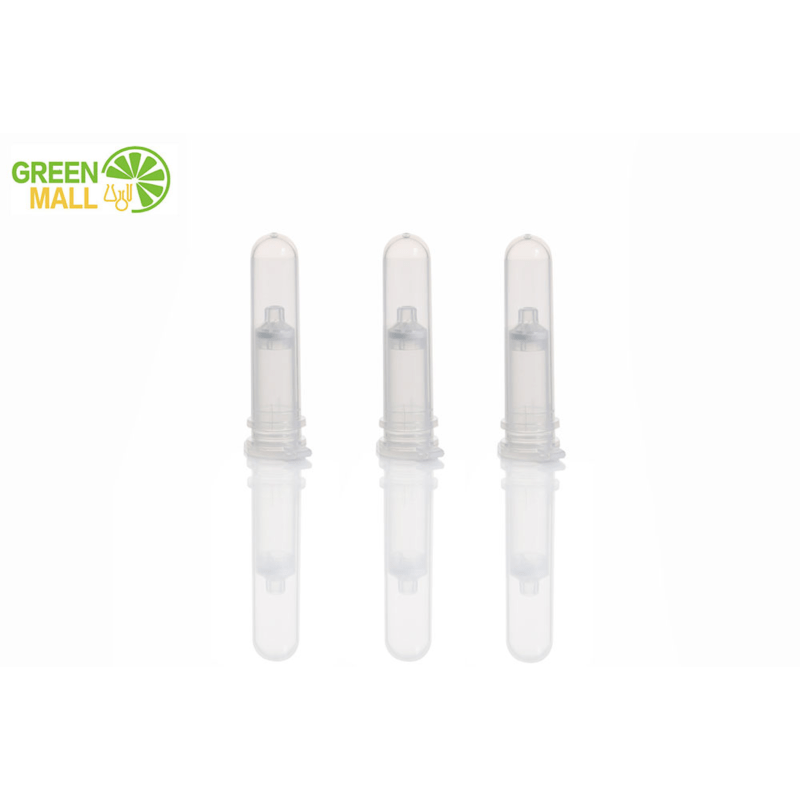
Modern laboratories demand consistent, reproducible results when processing biological samples for downstream applications such as PCR, sequencing, cloning, and gene expression analysis. The choice of purification technology significantly affects experimental outcomes and research productivity. Understanding the technical specifications and operational characteristics of different purification systems enables researchers to make informed decisions that align with their specific experimental requirements and laboratory constraints.
The evolution of nucleic acid purification technologies has led to the development of sophisticated column-based systems that combine speed, efficiency, and ease of use. These systems have revolutionized sample preparation workflows by eliminating time-consuming precipitation methods and reducing the risk of sample contamination. The integration of advanced materials and optimized protocols has made high-quality nucleic acid purification accessible to laboratories of all sizes and technical capabilities.
Understanding Spin Column Technology
Basic Principles and Mechanisms
The fundamental operation of a spin column relies on selective binding principles that enable efficient separation of nucleic acids from cellular debris, proteins, and other contaminants. The technology utilizes specialized silica-based membranes or resins that exhibit high affinity for nucleic acids under specific buffer conditions. During the purification process, lysed samples are loaded onto the column matrix, where nucleic acids bind selectively while contaminants pass through the membrane.
Centrifugal force generated during the spinning process facilitates rapid liquid movement through the column matrix, ensuring efficient sample processing and wash cycles. The binding capacity of the column matrix determines the maximum amount of nucleic acid that can be purified in a single run, while membrane porosity affects flow rates and purification efficiency. These physical and chemical properties work in conjunction to provide reliable separation performance across diverse sample types and experimental conditions.
The selectivity of nucleic acid binding is achieved through careful pH and salt concentration control in the binding buffers. Under high-salt conditions, nucleic acids interact strongly with the silica matrix, while proteins and other contaminants remain in solution. Subsequent washing steps remove residual impurities, and final elution with low-salt buffers or water releases purified nucleic acids from the column matrix.
Column Design and Construction Features
Modern column construction incorporates precision-engineered components designed to optimize flow characteristics and minimize sample loss. The column housing typically consists of high-quality polypropylene or similar chemically inert materials that resist common laboratory solvents and maintain structural integrity under centrifugal forces. Internal components include carefully designed membrane supports and flow distributors that ensure uniform sample contact with the binding matrix.
Membrane technology represents a critical aspect of column performance, with manufacturers employing various silica-based materials optimized for different nucleic acid types and sample volumes. The membrane surface area, pore size distribution, and binding chemistry are tailored to achieve maximum recovery while maintaining high purity standards. Advanced manufacturing techniques ensure consistent membrane properties between production lots, enabling reproducible results across multiple purification runs.
Quality control measures during manufacturing include rigorous testing of binding capacity, flow rates, and contamination levels to ensure each column meets specified performance criteria. Packaging and storage conditions are optimized to maintain column integrity and prevent degradation of binding materials during extended storage periods. These manufacturing standards contribute to the reliability and consistency that researchers expect from professional-grade purification systems.
Key Selection Criteria
Sample Volume and Throughput Requirements
Laboratory throughput demands vary significantly depending on the research application and experimental scale. High-throughput laboratories processing hundreds of samples daily require spin column systems that can accommodate large sample volumes while maintaining processing speed and efficiency. Individual column capacity typically ranges from microliters to several milliliters, with binding capacities designed to match common sample preparation volumes.
The relationship between sample volume and column capacity directly affects purification efficiency and yield. Overloading columns beyond their specified capacity can result in reduced binding efficiency and contamination breakthrough, while underutilizing column capacity may represent inefficient resource use. Understanding the correlation between sample characteristics and column specifications enables optimal matching of purification systems to experimental requirements.
Processing time considerations include centrifugation speeds, washing cycles, and elution volumes that collectively determine overall workflow duration. Automated and semi-automated systems can significantly increase throughput while reducing manual labor requirements. The selection of appropriate column systems should balance processing speed requirements with quality standards and available laboratory resources.
Nucleic Acid Type Compatibility
Different nucleic acid types exhibit varying binding characteristics and stability requirements that influence column selection criteria. DNA purification typically requires robust binding matrices capable of handling large molecular weight molecules and diverse fragment sizes. The column matrix must provide adequate binding capacity for genomic DNA while allowing efficient removal of protein contaminants and cellular debris.
RNA purification presents additional challenges due to the inherent instability of RNA molecules and the presence of ubiquitous RNase enzymes. Specialized columns designed for RNA applications incorporate RNase-free materials and optimized protocols that minimize degradation risks during purification. Buffer compositions and processing conditions are carefully controlled to maintain RNA integrity throughout the purification workflow.
Plasmid DNA purification requires columns capable of distinguishing between different topological forms of DNA and removing endotoxins that can interfere with transfection applications. The binding selectivity and washing protocols must effectively separate supercoiled plasmid DNA from chromosomal DNA fragments and protein contaminants. Column selection for plasmid purification often emphasizes endotoxin removal capabilities and compatibility with downstream transfection protocols.
Performance Evaluation Parameters
Binding Capacity and Recovery Rates
The binding capacity of a spin column determines the maximum amount of nucleic acid that can be effectively purified in a single run. This parameter varies significantly between different column types and is typically specified by manufacturers based on standardized testing protocols. Understanding binding capacity limitations helps researchers select appropriate columns for their specific sample sizes and avoid overloading that could compromise purification quality.
Recovery rates represent the percentage of input nucleic acid that is successfully purified and eluted from the column. High recovery rates are essential for applications requiring maximum yield, particularly when working with limited sample quantities or precious biological materials. Factors affecting recovery include binding efficiency, washing protocols, and elution conditions that can be optimized based on specific experimental requirements.
Reproducibility of binding capacity and recovery rates between individual columns and production lots ensures consistent experimental results. Quality control testing by manufacturers typically includes statistical analysis of performance parameters across multiple production batches. This consistency enables researchers to rely on predictable purification outcomes and maintain standardized laboratory protocols.
Purity Standards and Contaminant Removal
Nucleic acid purity is typically assessed using spectrophotometric measurements that evaluate the ratios of absorbance at different wavelengths. The A260/A280 ratio indicates protein contamination levels, while the A260/A230 ratio reflects the presence of carbohydrates, phenol, and other organic contaminants. High-quality spin column systems consistently achieve purity ratios that meet or exceed published specifications for downstream applications.
Specific contaminant removal capabilities vary between different column designs and binding matrices. PCR inhibitor removal is particularly important for molecular diagnostics applications, where trace contaminants can significantly affect amplification efficiency. Columns designed for PCR applications incorporate specialized washing protocols and binding chemistries optimized for inhibitor removal while maintaining nucleic acid integrity.
Endotoxin removal represents a critical requirement for columns used in cell culture and transfection applications. Specialized columns incorporate additional purification steps and binding matrices designed to reduce endotoxin levels below specified limits. The effectiveness of endotoxin removal is typically validated using standardized assays that measure biological activity rather than simple chemical detection methods.
Application-Specific Considerations
Research Laboratory Requirements
Academic and research laboratories typically prioritize flexibility and cost-effectiveness when selecting purification systems. The diversity of sample types and experimental protocols in research environments requires columns that can accommodate various nucleic acid sources and processing conditions. Researchers often work with non-standard samples that may require protocol modifications or specialized handling procedures.
Budget constraints in research laboratories influence purchasing decisions and long-term operational costs. The total cost of ownership includes initial column costs, associated reagents, and labor requirements for manual processing steps. Bulk purchasing options and volume discounts can significantly affect the economic feasibility of different purification systems, particularly for high-throughput applications.
Training requirements and technical support availability are important factors for research laboratories with varying levels of technical expertise. User-friendly protocols and comprehensive documentation facilitate rapid adoption of new purification systems and minimize training time for laboratory personnel. Technical support services and troubleshooting resources help maintain operational efficiency and resolve procedural issues quickly.
Clinical and Diagnostic Applications
Clinical laboratories operate under strict regulatory requirements that demand validated purification methods and documented quality control procedures. The selection of spin column systems for clinical applications must consider regulatory compliance, traceability requirements, and standardized operating procedures. Validation studies demonstrating consistent performance across patient sample types are typically required before implementing new purification systems.
Sample processing speed and automation compatibility are critical factors in clinical laboratories with high daily throughput requirements. Manual processing methods may become bottlenecks in busy clinical workflows, making automation-compatible systems highly desirable. The integration of purification systems with laboratory information management systems enhances sample tracking and quality documentation.
Quality assurance requirements in clinical laboratories include regular performance monitoring and statistical process control measures. The reproducibility and reliability of purification results directly affect diagnostic accuracy and patient care outcomes. Column systems selected for clinical use must demonstrate consistent performance over extended periods and maintain stability under varying environmental conditions.
Economic and Operational Factors
Cost Analysis and Budget Planning
The total cost of nucleic acid purification encompasses multiple factors beyond the initial column purchase price. Operational costs include associated reagents, consumables, labor time, and equipment maintenance that accumulate over the lifetime of the purification system. Accurate cost analysis requires consideration of processing volumes, frequency of use, and long-term laboratory requirements.
Volume-based pricing structures offered by suppliers can significantly affect per-sample costs, particularly for laboratories with predictable processing volumes. Bulk purchasing agreements and long-term contracts often provide cost advantages while ensuring consistent supply availability. The economic benefits of volume purchasing must be balanced against storage requirements and product shelf life considerations.
Hidden costs associated with purification system implementation include training time, protocol development, and potential productivity losses during transition periods. The learning curve for new systems can temporarily reduce laboratory efficiency while personnel become familiar with revised procedures. Comprehensive training programs and technical support services help minimize these transition costs and accelerate system adoption.
Supplier Reliability and Support Services
Supplier reliability encompasses product quality consistency, delivery performance, and long-term availability of purification systems. Established suppliers with proven track records provide confidence in product performance and continued support for laboratory operations. Supply chain disruptions can significantly impact laboratory productivity, making supplier stability an important selection criterion.
Technical support services include application assistance, troubleshooting guidance, and protocol optimization support that enhance the value of purification systems. Responsive technical support helps resolve operational issues quickly and maintains laboratory productivity. The availability of local support representatives and training resources can significantly influence user satisfaction and system performance.
Documentation and regulatory support services are particularly valuable for laboratories operating under strict quality requirements. Suppliers providing comprehensive validation data, certificates of analysis, and regulatory compliance documentation facilitate system qualification and reduce internal validation requirements. This support is especially important for clinical laboratories and pharmaceutical research facilities.
Installation and Implementation Guidelines
Laboratory Infrastructure Requirements
Successful implementation of spin column purification systems requires adequate laboratory infrastructure including appropriate centrifugation equipment, storage facilities, and workspace organization. Centrifuge compatibility considerations include rotor types, maximum speeds, and tube capacity that must match column specifications. The availability of refrigerated centrifugation may be necessary for certain applications requiring temperature-controlled processing.
Storage requirements for columns and associated reagents include temperature control, humidity management, and inventory tracking systems. Proper storage conditions maintain product integrity and ensure reliable performance throughout the product shelf life. Climate-controlled storage areas protect sensitive components from environmental fluctuations that could affect purification efficiency.
Workspace design should accommodate efficient workflow patterns and minimize contamination risks during sample processing. Dedicated areas for sample preparation, centrifugation, and post-purification handling help maintain organization and reduce cross-contamination potential. Appropriate ventilation and safety equipment ensure compliance with laboratory safety requirements and protect personnel from chemical exposures.
Training and Protocol Development
Comprehensive training programs ensure laboratory personnel develop proficiency with new purification systems and understand critical procedural steps. Training should cover theoretical principles, practical techniques, troubleshooting procedures, and quality control measures. Hands-on experience with representative samples helps build confidence and competency in system operation.
Protocol development involves adapting standard procedures to specific laboratory requirements and sample types. Initial optimization studies may be necessary to determine optimal binding conditions, washing protocols, and elution parameters for particular applications. Documentation of optimized protocols ensures consistency between different operators and facilitates knowledge transfer.
Quality control procedures should be established to monitor system performance and detect potential issues before they affect experimental results. Regular testing with control samples provides baseline performance data and enables trend analysis over time. Standard operating procedures should include acceptance criteria, corrective actions, and documentation requirements for quality assurance purposes.
FAQ
What factors determine the binding capacity of a spin column?
The binding capacity of a spin column depends on several key factors including the surface area of the binding matrix, the density of binding sites, and the chemical composition of the silica membrane. The physical dimensions of the column and the pore structure of the membrane directly influence the total binding surface available for nucleic acid interaction. Additionally, the binding capacity varies with nucleic acid type, fragment size, and buffer conditions used during the purification process.
How do I ensure optimal recovery rates during nucleic acid purification?
Optimal recovery rates require careful attention to binding conditions, washing protocols, and elution procedures. Ensure that sample pH and salt concentrations match the specified binding buffer requirements for maximum nucleic acid capture efficiency. Use appropriate wash volumes to remove contaminants without compromising bound nucleic acids, and optimize elution conditions including buffer volume, temperature, and incubation time to maximize recovery while maintaining purity standards.
What quality control measures should be implemented for spin column purification?
Effective quality control includes regular testing of purification efficiency using control samples with known nucleic acid concentrations. Monitor key performance indicators such as recovery rates, purity ratios, and processing consistency across multiple runs. Establish acceptance criteria for A260/A280 and A260/A230 ratios appropriate for your specific applications, and document all quality control results to identify trends and maintain system performance over time.
How do environmental conditions affect spin column storage and performance?
Environmental conditions significantly impact both column storage stability and operational performance. Store columns in temperature and humidity-controlled environments according to manufacturer specifications to prevent degradation of binding matrices and preserve shelf life. Avoid exposure to extreme temperatures, direct sunlight, and chemical vapors that could compromise column integrity. During use, maintain consistent laboratory temperatures and humidity levels to ensure reproducible purification results and prevent condensation issues that could affect flow characteristics.