
 EN
EN



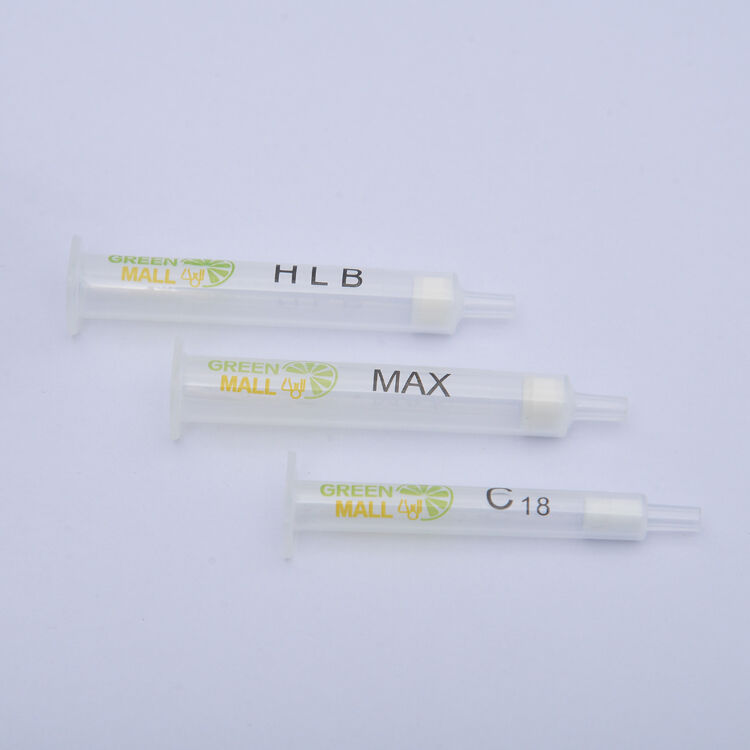
Environmental laboratories worldwide face increasing pressure to deliver accurate, reliable analytical results while managing complex sample matrices and stringent regulatory requirements. Among the various sample preparation techniques available, solid phase extraction has emerged as the gold standard for environmental analysis. The spe cartridge technology represents a critical advancement in analytical chemistry, enabling laboratories to achieve superior sample cleanup, concentration, and purification compared to traditional liquid-liquid extraction methods. These specialized devices have revolutionized how environmental scientists approach trace contaminant analysis, offering unprecedented precision and efficiency in detecting pollutants at increasingly lower detection limits.
Understanding SPE Technology in Environmental Analysis
Fundamental Principles of Solid Phase Extraction
Solid phase extraction operates on the principle of selective retention and elution of target analytes from complex sample matrices. The technology utilizes specialized sorbent materials packed within cartridge housings to capture specific compounds based on their chemical properties. Environmental samples containing diverse contaminants pass through the sorbent bed, where target analytes are retained while interfering matrix components are washed away. This selective retention mechanism allows analysts to concentrate trace-level pollutants from large sample volumes, significantly improving detection capabilities for regulatory compliance testing.
The extraction process involves multiple distinct phases, beginning with cartridge conditioning to prepare the sorbent for optimal analyte retention. Sample loading follows, where environmental matrices are drawn through the cartridge under controlled conditions. Washing steps remove unwanted matrix components without disturbing retained analytes. Finally, elution with appropriate solvents recovers concentrated analytes in a clean, focused fraction suitable for instrumental analysis. This systematic approach ensures consistent recoveries and reproducible results across diverse environmental sample types.
Sorbent Chemistry and Selectivity Mechanisms
Modern spe cartridge designs incorporate sophisticated sorbent chemistries tailored to specific analytical challenges in environmental monitoring. Reversed-phase sorbents like C18 materials excel at retaining nonpolar organic contaminants from aqueous samples, making them ideal for pesticide, pharmaceutical, and industrial chemical analysis. Mixed-mode sorbents combine multiple retention mechanisms, enabling simultaneous extraction of compounds with varying polarities and ionization states. Ion-exchange materials target charged species, while specialized polymeric phases offer unique selectivity for challenging analytes.
The selection of appropriate sorbent chemistry directly impacts extraction efficiency and method performance. Environmental laboratories must consider analyte properties, matrix composition, and regulatory requirements when choosing cartridge types. Particle size, surface area, and pore structure influence retention capacity and kinetics. Advanced surface modifications enhance selectivity while minimizing non-specific binding. These technical considerations require deep understanding of both analytical chemistry principles and environmental sample characteristics to optimize method development and validation protocols.
Applications in Environmental Monitoring Programs
Water Quality Assessment and Contaminant Screening
Environmental water monitoring represents the largest application area for spe cartridge technology, encompassing drinking water safety, surface water quality assessment, and groundwater contamination studies. Regulatory agencies worldwide specify SPE-based methods for detecting trace organic pollutants at parts-per-billion and parts-per-trillion levels. These methods enable detection of emerging contaminants like pharmaceuticals, personal care products, and endocrine-disrupting compounds that pose potential risks to human health and aquatic ecosystems. The concentration factor achieved through SPE allows laboratories to meet increasingly stringent detection limits required by environmental regulations.
Municipal water treatment facilities rely on SPE methods to monitor source water quality and treatment efficacy. The technology enables comprehensive screening for hundreds of potential contaminants in a single analytical run, supporting risk assessment and treatment optimization efforts. Industrial discharge monitoring programs utilize SPE to ensure compliance with permit limits and identify pollution sources. Research institutions employ these methods to study contaminant fate and transport in environmental systems, supporting policy development and risk assessment initiatives.
Soil and Sediment Analysis Applications
Soil and sediment analysis presents unique challenges requiring specialized extraction approaches adapted to solid matrix samples. Environmental laboratories employ accelerated solvent extraction combined with SPE cleanup to isolate target analytes from complex organic matter and mineral matrices. The spe cartridge cleanup step removes co-extracted interferents that could compromise analytical results or damage sensitive instrumentation. This two-stage approach ensures reliable quantification of persistent organic pollutants, polycyclic aromatic hydrocarbons, and other priority contaminants in soil monitoring programs.
Contaminated site assessment relies heavily on SPE-based analytical methods to characterize pollution extent and monitor remediation progress. The technology supports analysis of weathered petroleum products, chlorinated solvents, and other industrial contaminants in soil and groundwater samples. Sediment quality studies utilize SPE methods to assess bioavailable contaminant fractions and ecological risk. These applications require robust, validated methods capable of handling diverse sample types while maintaining analytical quality and regulatory compliance.
Advantages Over Traditional Extraction Methods
Enhanced Selectivity and Matrix Tolerance
Traditional liquid-liquid extraction methods suffer from poor selectivity and extensive matrix interference issues that compromise analytical results. SPE technology offers superior selectivity through carefully designed sorbent chemistries that target specific analyte classes while rejecting matrix components. This enhanced selectivity reduces background interference and improves signal-to-noise ratios in instrumental analysis. Environmental samples containing high levels of dissolved organic carbon, salts, and particulates can be processed effectively without the extensive cleanup procedures required by older extraction methods.
Matrix tolerance capabilities enable direct processing of complex environmental samples without extensive pre-treatment steps. Humic substances, proteins, and other natural organic matter that interfere with traditional extraction are effectively separated during the SPE process. This improved tolerance reduces sample preparation time and minimizes potential analyte losses during cleanup procedures. The result is more reliable quantification of target contaminants in challenging matrices like wastewater, surface water, and soil extracts.
Improved Recovery and Precision
Method validation studies consistently demonstrate superior analyte recoveries with SPE compared to liquid-liquid extraction approaches. The controlled retention and elution process minimizes analyte losses while maximizing concentration factors. Environmental laboratories routinely achieve recoveries exceeding 80% for diverse analyte classes, meeting regulatory method performance criteria. Precision improvements result from standardized cartridge formats and automated processing equipment that reduce operator variability and human error.
Reproducibility benefits extend to interlaboratory studies and proficiency testing programs where consistent SPE protocols ensure comparable results across different facilities. The technology supports quality assurance requirements through standardized procedures and commercially available reference materials. These performance advantages are critical for regulatory compliance and scientific credibility in environmental monitoring programs where data quality directly impacts public health protection and environmental management decisions.
Quality Control and Method Validation
Performance Criteria and Acceptance Standards
Environmental laboratories must demonstrate method performance through comprehensive validation studies that evaluate accuracy, precision, selectivity, and detection limits. SPE method validation follows established protocols from regulatory agencies and professional organizations, ensuring consistent quality standards across the analytical community. Recovery studies using certified reference materials and spiked samples verify extraction efficiency across the working range. Precision assessments evaluate both repeatability and reproducibility under defined testing conditions.
Detection limit studies determine the lowest concentrations reliably quantifiable using specific spe cartridge configurations and instrumental methods. These limits must meet or exceed regulatory requirements for target analytes in environmental matrices. Selectivity testing confirms that matrix components do not interfere with analyte quantification or produce false positive results. Stability studies evaluate analyte integrity during storage and processing to establish appropriate holding times and preservation requirements.
Troubleshooting and Optimization Strategies
Method optimization requires systematic evaluation of extraction parameters including cartridge selection, sample loading conditions, wash procedures, and elution protocols. Environmental laboratories must balance extraction efficiency with selectivity to achieve optimal method performance. pH adjustment may be necessary to control analyte ionization and improve retention on ion-exchange phases. Organic modifier addition can enhance elution efficiency for strongly retained compounds while maintaining selectivity.
Troubleshooting poor recoveries involves evaluating each step in the extraction process to identify potential sources of analyte loss. Breakthrough during sample loading indicates insufficient retention capacity or inappropriate sorbent selection. Incomplete elution suggests inadequate solvent strength or volume. Matrix effects may require additional cleanup steps or alternative cartridge chemistries. Systematic optimization ensures robust, reliable methods suitable for routine environmental monitoring applications.
Regulatory Compliance and Standard Methods
EPA and International Method Requirements
The United States Environmental Protection Agency has developed numerous standard methods incorporating SPE technology for environmental analysis, including methods for drinking water, wastewater, and solid waste matrices. These methods specify detailed protocols for cartridge selection, sample preparation, extraction procedures, and quality control requirements. International organizations like ISO and CEN have similarly adopted SPE-based approaches for environmental monitoring, creating harmonized methods that facilitate global data comparison and regulatory compliance.
Method compliance requires strict adherence to specified procedures, including cartridge specifications, extraction conditions, and analytical protocols. Laboratories must demonstrate proficiency through successful participation in proficiency testing programs and maintain detailed documentation of method performance. Regulatory inspections verify compliance with method requirements and quality assurance protocols. These regulatory frameworks ensure data quality and comparability across different laboratories and jurisdictions.
Documentation and Traceability Requirements
Environmental laboratories must maintain comprehensive documentation of SPE procedures, including cartridge lot information, extraction conditions, and quality control results. Chain of custody protocols ensure sample integrity throughout the analytical process. Method modifications require formal validation and approval procedures before implementation. Electronic data systems provide secure storage and retrieval of analytical results while maintaining audit trails for regulatory review.
Traceability requirements extend to consumables and reagents used in SPE procedures, with laboratories maintaining records of supplier information, lot numbers, and expiration dates. Cartridge performance verification ensures consistent extraction efficiency across different production lots. These documentation requirements support regulatory compliance and enable investigation of data quality issues when they arise. Proper record-keeping practices are essential for maintaining laboratory accreditation and regulatory approval.
Future Developments and Emerging Technologies
Advanced Sorbent Materials and Miniaturization
Research and development efforts continue to advance spe cartridge technology through novel sorbent materials and innovative cartridge designs. Molecular imprinted polymers offer unprecedented selectivity for specific target analytes, enabling highly selective extraction from complex matrices. Nanomaterials like carbon nanotubes and graphene derivatives provide enhanced surface area and unique retention mechanisms. These advanced materials promise improved extraction efficiency and expanded analytical capabilities for emerging contaminants.
Miniaturization trends focus on reducing sample and solvent consumption while maintaining or improving extraction performance. Micro-SPE formats enable processing of limited sample volumes common in environmental forensics and specialized monitoring applications. Automated systems integrate sample preparation with instrumental analysis, reducing labor requirements and improving throughput. These developments support sustainable analytical practices while meeting increasing demands for environmental monitoring data.
Integration with Advanced Analytical Platforms
Modern environmental laboratories increasingly integrate SPE with high-resolution mass spectrometry and other advanced analytical platforms to enhance detection capabilities and compound identification. Online SPE systems eliminate manual handling steps while providing real-time sample processing capabilities. Multidimensional separation approaches combine SPE with complementary separation techniques to resolve complex mixtures and reduce matrix effects.
Artificial intelligence and machine learning applications optimize extraction conditions and predict method performance based on analyte properties and matrix characteristics. These computational approaches accelerate method development and improve analytical efficiency. Future systems may incorporate real-time monitoring capabilities that adjust extraction parameters automatically based on sample characteristics and analytical requirements. Such innovations promise to further enhance the role of SPE technology in environmental monitoring and protection efforts.
FAQ
What makes SPE cartridges superior to liquid-liquid extraction for environmental samples
SPE cartridges offer several key advantages over traditional liquid-liquid extraction methods in environmental analysis. They provide superior selectivity through specialized sorbent chemistries that target specific analyte classes while rejecting matrix interferents. This enhanced selectivity reduces background noise and improves detection limits critical for trace contaminant analysis. Additionally, SPE methods require fewer organic solvents, generate less hazardous waste, and offer better precision and reproducibility compared to liquid-liquid extraction approaches. The standardized cartridge formats also enable automation and reduce operator variability in sample preparation procedures.
How do environmental laboratories select appropriate SPE cartridge types for specific applications
Cartridge selection depends on multiple factors including target analyte properties, sample matrix characteristics, and analytical requirements. Nonpolar organic contaminants typically require reversed-phase sorbents like C18 materials, while polar compounds may need mixed-mode or hydrophilic interaction phases. Ion-exchange cartridges are selected for charged analytes, and specialized polymeric phases offer unique selectivity for specific compound classes. Laboratories consider analyte polarity, molecular weight, pKa values, and matrix composition when choosing cartridge types. Method validation studies confirm optimal cartridge performance for specific applications and regulatory compliance requirements.
What quality control measures ensure reliable SPE extraction results
Environmental laboratories implement comprehensive quality control programs including method blanks, duplicate analyses, matrix spikes, and certified reference material testing. Recovery studies verify extraction efficiency across the analytical range using spiked samples at multiple concentration levels. Precision assessments evaluate both repeatability and reproducibility under defined conditions. Detection limit studies determine the lowest reliably quantifiable concentrations for target analytes. Regular participation in proficiency testing programs demonstrates ongoing method performance and comparability with other laboratories. Detailed documentation of cartridge lot information, extraction conditions, and quality control results supports regulatory compliance and data integrity.
How do regulatory requirements influence SPE method development and implementation
Environmental regulations specify detailed requirements for SPE-based analytical methods, including cartridge specifications, extraction procedures, and performance criteria. EPA methods provide comprehensive protocols that laboratories must follow exactly to ensure regulatory compliance and data acceptability. Method modifications require formal validation and approval procedures before implementation. Regulatory agencies conduct inspections to verify compliance with specified procedures and quality assurance requirements. Laboratories must maintain detailed documentation of method performance, participate in proficiency testing programs, and demonstrate ongoing competency through successful analysis of certified reference materials and blind audit samples.
Table of Contents
- Understanding SPE Technology in Environmental Analysis
- Applications in Environmental Monitoring Programs
- Advantages Over Traditional Extraction Methods
- Quality Control and Method Validation
- Regulatory Compliance and Standard Methods
- Future Developments and Emerging Technologies
-
FAQ
- What makes SPE cartridges superior to liquid-liquid extraction for environmental samples
- How do environmental laboratories select appropriate SPE cartridge types for specific applications
- What quality control measures ensure reliable SPE extraction results
- How do regulatory requirements influence SPE method development and implementation