
 EN
EN



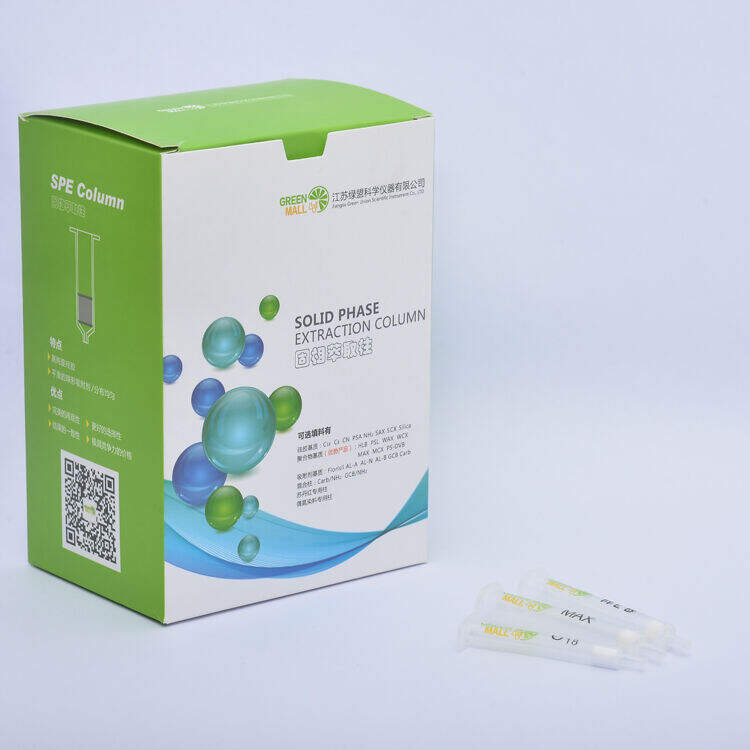
Solid Phase Extraction represents a critical purification technique in analytical chemistry, where the choice of extraction medium significantly impacts results. An SPE cartridge serves as the cornerstone of this methodology, enabling researchers to isolate target compounds from complex matrices with remarkable precision. However, many laboratory professionals encounter unexpected challenges that compromise their analytical outcomes, leading to poor recoveries, matrix interferences, and irreproducible results. Understanding these common pitfalls becomes essential for maximizing the performance potential of every extraction procedure. The complexity of modern analytical requirements demands meticulous attention to methodology, from initial sample preparation through final elution protocols.
Professional laboratories worldwide invest significant resources in establishing robust extraction protocols, yet suboptimal results often stem from fundamental oversights in cartridge selection and handling procedures. These challenges transcend simple operational errors, encompassing deeper issues related to sorbent chemistry, sample matrix compatibility, and methodological design principles. Recognizing these potential failure points enables analytical chemists to implement preventive measures that ensure consistent, reliable extraction performance across diverse applications.
Understanding SPE Cartridge Selection Fundamentals
Sorbent Chemistry Compatibility Assessment
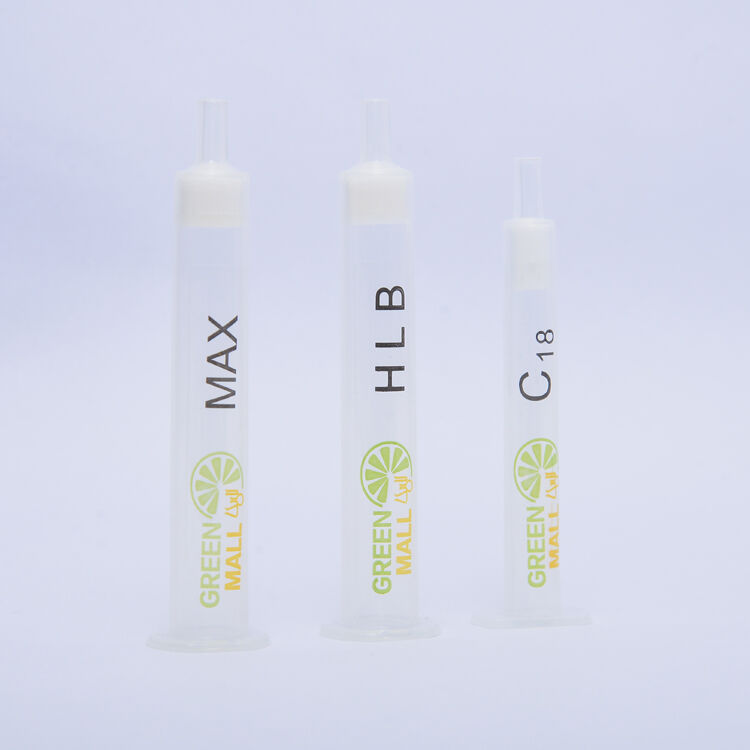
Selecting an inappropriate sorbent represents one of the most prevalent mistakes in SPE cartridge utilization, often resulting from insufficient understanding of analyte-sorbent interactions. Each SPE cartridge contains specific functional groups that determine its retention mechanism, whether through hydrophobic interactions, ionic exchanges, or mixed-mode mechanisms. Reversed-phase sorbents like C18 excel at retaining nonpolar compounds, while normal-phase materials demonstrate superior performance with polar analytes. The chemical structure of target compounds must align with the sorbent's retention characteristics to achieve optimal extraction efficiency.
Matrix compatibility represents another critical consideration frequently overlooked during cartridge selection processes. Biological samples containing proteins and lipids require different approaches compared to environmental water samples or pharmaceutical formulations. The presence of interfering compounds can significantly impact the performance of an SPE cartridge, necessitating careful evaluation of matrix effects during method development. Understanding these interactions prevents costly troubleshooting efforts and ensures reliable analytical results from the initial implementation.
Capacity and Loading Volume Optimization
Overloading represents a fundamental error that compromises the integrity of extraction procedures, yet many practitioners fail to recognize capacity limitations until breakthrough occurs. Each SPE cartridge possesses finite binding capacity determined by sorbent mass, surface area, and functional group density. Exceeding these limits results in poor retention, leading to analyte loss and reduced recovery rates. Proper capacity assessment requires consideration of both target analytes and matrix components that compete for available binding sites.
Sample volume optimization directly correlates with cartridge capacity, influencing both retention efficiency and breakthrough characteristics. Large sample volumes may overwhelm smaller cartridges, while inadequate volumes fail to utilize the full potential of higher-capacity formats. The relationship between sample concentration, volume, and cartridge specifications must be carefully balanced to achieve optimal extraction performance. This balance becomes particularly critical when processing samples with varying analyte concentrations or complex matrix compositions.
Critical Conditioning and Equilibration Procedures
Solvent Selection and Sequence Optimization
Inadequate conditioning represents a widespread oversight that undermines the foundation of successful SPE cartridge performance, often manifesting as poor retention or irreproducible results. The conditioning process activates sorbent binding sites and establishes the appropriate chemical environment for analyte retention. Skipping or inadequately performing this critical step creates inconsistent surface conditions that compromise extraction reliability. Proper conditioning requires selecting appropriate solvents that fully wet the sorbent while removing manufacturing residues and trapped air bubbles.
Solvent sequence optimization plays a crucial role in establishing optimal retention conditions for target analytes. The transition from organic conditioning solvents to aqueous equilibration solutions must occur gradually to maintain sorbent integrity and prevent channel formation. Rapid solvent changes can cause sorbent bed disruption, creating preferential flow paths that reduce extraction efficiency. Each SPE cartridge type requires specific conditioning protocols tailored to its sorbent characteristics and intended applications.
Equilibration Buffer Preparation and pH Control
pH control during equilibration represents a critical parameter frequently neglected in routine SPE cartridge applications, particularly for ionizable compounds. The protonation state of both analytes and sorbent functional groups significantly influences retention characteristics and extraction efficiency. Buffer selection must consider the pKa values of target compounds while maintaining compatibility with downstream analytical techniques. Improper pH conditions can completely eliminate retention for ionizable analytes or create unexpected matrix interferences.
Buffer preparation consistency becomes essential for reproducible extraction performance, yet many laboratories overlook the importance of standardized buffer protocols. Variations in buffer concentration, ionic strength, or storage conditions can introduce significant variability in extraction results. Fresh buffer preparation for each analytical batch ensures consistent extraction conditions and minimizes potential interferences from buffer degradation products. Temperature effects on buffer pH also require consideration, particularly for applications involving elevated processing temperatures.
Sample Preparation and Loading Optimization
Matrix Treatment and Prefilltration Strategies
Insufficient sample preparation represents a leading cause of SPE cartridge performance degradation, particularly when processing complex biological or environmental matrices. Particulate matter, proteins, and other matrix components can physically block cartridge flow paths or compete for binding sites, reducing extraction efficiency and shortening cartridge lifespan. Appropriate sample pretreatment removes interfering substances while preserving target analytes in their optimal form for extraction. The specific treatment approach must balance matrix cleanup requirements with analyte stability considerations.
Prefiltration strategies provide essential protection for SPE cartridge integrity, yet many practitioners underestimate the importance of removing particulate contamination. Membrane filters with appropriate pore sizes effectively eliminate particles that could clog cartridge beds or create flow irregularities. The filter material selection must avoid analyte adsorption while maintaining compatibility with sample solvents and pH conditions. Proper filtration extends cartridge lifetime while ensuring consistent flow rates throughout the extraction procedure.
Loading Rate and Flow Control Management
Excessive flow rates during sample loading represent a common oversight that significantly impacts extraction efficiency, often resulting from attempts to accelerate analytical throughput. Each SPE cartridge operates optimally within specific flow rate ranges that allow sufficient contact time between analytes and sorbent binding sites. Exceeding these limits reduces retention efficiency and can cause breakthrough of target compounds. The optimal flow rate depends on cartridge dimensions, sorbent characteristics, and analyte binding kinetics.
Flow control consistency becomes particularly critical when processing multiple samples or implementing automated extraction systems. Variations in flow rates between samples introduce systematic errors that compromise method reproducibility. Proper flow control requires appropriate instrumentation and regular calibration to maintain consistent processing conditions. The relationship between flow rate, contact time, and extraction efficiency must be optimized for each specific application to ensure reliable analytical results.
Washing and Cleanup Protocol Development
Wash Solution Selection and Strength Optimization
Inadequate washing protocols represent a significant source of analytical interferences, yet many practitioners develop wash conditions through trial and error rather than systematic optimization. The wash step removes matrix interferences while retaining target analytes, requiring careful balance between cleanup effectiveness and analyte retention. Wash solution selection must consider the chemical properties of both target compounds and potential interferences to achieve optimal selectivity. The strength and composition of wash solutions directly impact the final extract purity and analytical signal quality.
Strength optimization involves adjusting organic solvent content, pH conditions, and ionic strength to maximize interference removal while minimizing analyte loss. Each SPE cartridge type exhibits different tolerance levels for wash solution strength, necessitating careful method development for each application. Sequential washing with solutions of increasing strength can provide enhanced cleanup while maintaining analyte recovery. The number of wash volumes and their individual compositions must be optimized based on matrix complexity and analytical requirements.
Interference Identification and Removal Strategies
Matrix interference identification requires systematic evaluation of potential compounds that could co-extract with target analytes, affecting quantitative accuracy and method selectivity. Common interferences include endogenous compounds with similar chemical properties, metabolites, or degradation products that exhibit comparable retention characteristics. Each SPE cartridge type demonstrates different selectivity profiles, making interference patterns application-specific. Understanding these potential issues enables development of targeted cleanup strategies that enhance analytical specificity.
Removal strategies must address identified interferences without compromising target analyte recovery, often requiring creative wash solution development or alternative sorbent selection. Mixed-mode sorbents provide enhanced selectivity options by combining multiple retention mechanisms within a single cartridge format. The development of orthogonal cleanup approaches can effectively eliminate problematic interferences while maintaining analytical sensitivity. Regular monitoring of interference levels ensures continued method performance and identifies emerging contamination sources.
Elution Optimization and Recovery Enhancement
Solvent Selection and Elution Volume Determination
Suboptimal elution conditions represent a primary cause of poor analyte recovery, frequently resulting from inadequate understanding of sorbent-analyte interaction strengths. The elution solvent must possess sufficient strength to disrupt analyte-sorbent interactions while maintaining analyte stability and compatibility with analytical instrumentation. Solvent selection requires consideration of analyte polarity, ionization state, and potential degradation pathways. Each SPE cartridge type responds differently to various elution solvents, necessitating systematic optimization for each application.
Elution volume determination involves balancing complete analyte recovery with final extract concentration requirements. Insufficient elution volumes result in incomplete recovery and poor analytical sensitivity, while excessive volumes dilute target analytes and may introduce additional cleanup requirements. The optimal elution volume depends on sorbent capacity, analyte binding strength, and downstream analytical sensitivity requirements. Multiple small-volume elutions often provide better recovery than single large-volume elutions, particularly for strongly retained compounds.
Recovery Validation and Troubleshooting Approaches
Recovery validation requires systematic evaluation of extraction efficiency across the entire analytical range, identifying potential limitations or bias sources that could impact quantitative accuracy. Each SPE cartridge batch may exhibit slight variations in performance characteristics, necessitating regular recovery assessments to ensure continued method reliability. Recovery studies should encompass the full range of expected sample concentrations and matrix types encountered in routine analysis. Understanding recovery patterns enables early identification of performance drift or systematic errors.
Troubleshooting approaches must address common recovery problems through systematic evaluation of each procedural step, from conditioning through final elution. Poor recovery can result from inadequate conditioning, incorrect pH conditions, insufficient contact time, or inappropriate elution conditions. Methodical troubleshooting involves isolating variables and testing individual components to identify root causes. Documentation of troubleshooting efforts creates valuable knowledge bases that accelerate future problem resolution and method optimization activities.
Quality Control and Method Validation
Blank Assessment and Contamination Control
Contamination control represents a critical yet often overlooked aspect of SPE cartridge utilization, with potential sources including manufacturing residues, laboratory contamination, or cross-contamination between samples. Regular blank analysis identifies background interference levels and ensures analytical signal integrity. Each SPE cartridge lot should undergo blank evaluation to establish baseline contamination levels and identify any batch-specific issues. Proper blank protocols include procedural blanks that undergo complete extraction procedures and cartridge blanks that assess individual cartridge contributions.
Laboratory contamination sources require systematic identification and elimination to maintain analytical data quality. Common contamination sources include laboratory air, water systems, solvents, and previous sample carryover. Environmental controls, proper solvent storage, and equipment cleaning protocols minimize contamination risks. Regular monitoring of blank levels enables early detection of emerging contamination sources and facilitates corrective action implementation before analytical results become compromised.
Reproducibility Assessment and Statistical Validation
Reproducibility assessment encompasses both within-batch and between-batch variability evaluation, providing essential metrics for method reliability and quality assurance. Each SPE cartridge contributes to overall method variability through manufacturing tolerances and performance variations. Statistical evaluation of extraction reproducibility identifies acceptable performance limits and establishes criteria for method acceptance. Long-term reproducibility monitoring reveals performance trends and enables predictive maintenance scheduling.
Statistical validation provides quantitative measures of method performance, including precision, accuracy, linearity, and detection limits. Each parameter requires specific validation protocols tailored to intended analytical applications and regulatory requirements. The contribution of SPE cartridge variability to overall method performance must be quantified and controlled through appropriate quality control measures. Regular validation updates ensure continued method suitability as analytical requirements evolve or cartridge specifications change.
Frequently Asked Questions
How do I determine the appropriate SPE cartridge size for my application?
Cartridge size selection depends on sample volume, analyte concentration, and matrix complexity. Larger cartridges accommodate higher sample volumes and provide greater capacity for matrix components. Calculate the total mass of analytes and matrix components to ensure cartridge capacity exceeds loading requirements by at least 50%. Consider breakthrough studies to verify optimal size selection for specific applications.
What causes poor recovery despite following standard protocols?
Poor recovery typically results from inappropriate pH conditions, insufficient conditioning, wrong sorbent selection, or inadequate elution strength. Systematically evaluate each procedural step, starting with analyte-sorbent compatibility assessment. Verify conditioning completeness, sample pH adjustment, and elution solvent strength. Consider alternative sorbent chemistries if fundamental incompatibilities exist between analytes and current SPE cartridge selection.
Can I reuse SPE cartridges to reduce costs?
SPE cartridge reuse is generally not recommended due to potential carryover contamination, reduced performance, and compromised data quality. Single-use cartridges ensure consistent performance and eliminate cross-contamination risks. The cost savings from reuse rarely justify the analytical risks and potential regulatory compliance issues. Focus on optimizing cartridge selection and procedures to maximize efficiency rather than reusing cartridges.
How do I troubleshoot matrix effects in complex samples?
Matrix effects require systematic evaluation through standard addition studies, matrix-matched calibrations, and interference identification experiments. Modify wash conditions to enhance selectivity, consider alternative sorbent chemistries, or implement additional cleanup steps. Matrix dilution may reduce interference levels while maintaining analytical sensitivity. Document matrix effect patterns to develop standardized approaches for similar sample types using the same SPE cartridge format.