
 EN
EN




Solid phase extraction has revolutionized analytical chemistry by providing a robust framework for sample preparation across diverse applications. When dealing with complex sample matrices, the optimization of SPE methods becomes critical for achieving reliable analytical results. Laboratory professionals face numerous challenges when working with biological fluids, environmental samples, and pharmaceutical formulations that contain interfering compounds, varying pH levels, and multiple analyte classes. Understanding the fundamental principles behind effective SPE methods allows researchers to develop tailored approaches that maximize recovery while minimizing matrix effects.
Understanding Complex Sample Matrices
Characteristics of Challenging Samples
Complex sample matrices present unique analytical challenges that require specialized SPE methods to overcome. Biological samples such as plasma, urine, and tissue extracts contain high concentrations of proteins, lipids, and salts that can interfere with analyte extraction and subsequent analysis. These matrices often exhibit significant variability in composition between samples, making method development particularly demanding. Environmental samples introduce additional complexity through the presence of humic substances, suspended particulates, and varying ionic strength that can affect sorbent performance.
Pharmaceutical formulations represent another category of complex matrices where excipients, preservatives, and active pharmaceutical ingredients can create matrix effects during extraction. The optimization of SPE methods for these samples requires careful consideration of chemical interactions between matrix components and target analytes. Understanding the physicochemical properties of both the sample matrix and target compounds forms the foundation for developing effective extraction strategies.
Matrix Effect Assessment
Evaluating matrix effects is essential for validating SPE methods and ensuring accurate quantitative results. Matrix effects can manifest as signal suppression or enhancement during instrumental analysis, leading to biased results if not properly addressed. Post-extraction addition experiments help identify the presence and magnitude of matrix effects by comparing analyte responses in neat solvent versus matrix-matched samples. This assessment guides the selection of appropriate internal standards and calibration strategies.
Signal suppression typically occurs when co-extracted matrix components compete for ionization during mass spectrometric analysis. Conversely, signal enhancement may result from matrix components that facilitate analyte ionization or reduce analyte losses during sample handling. Quantifying these effects enables analysts to implement appropriate correction factors or modify SPE methods to minimize matrix interference.
Sorbent Selection Strategies
Reversed-Phase Sorbents for Hydrophobic Compounds
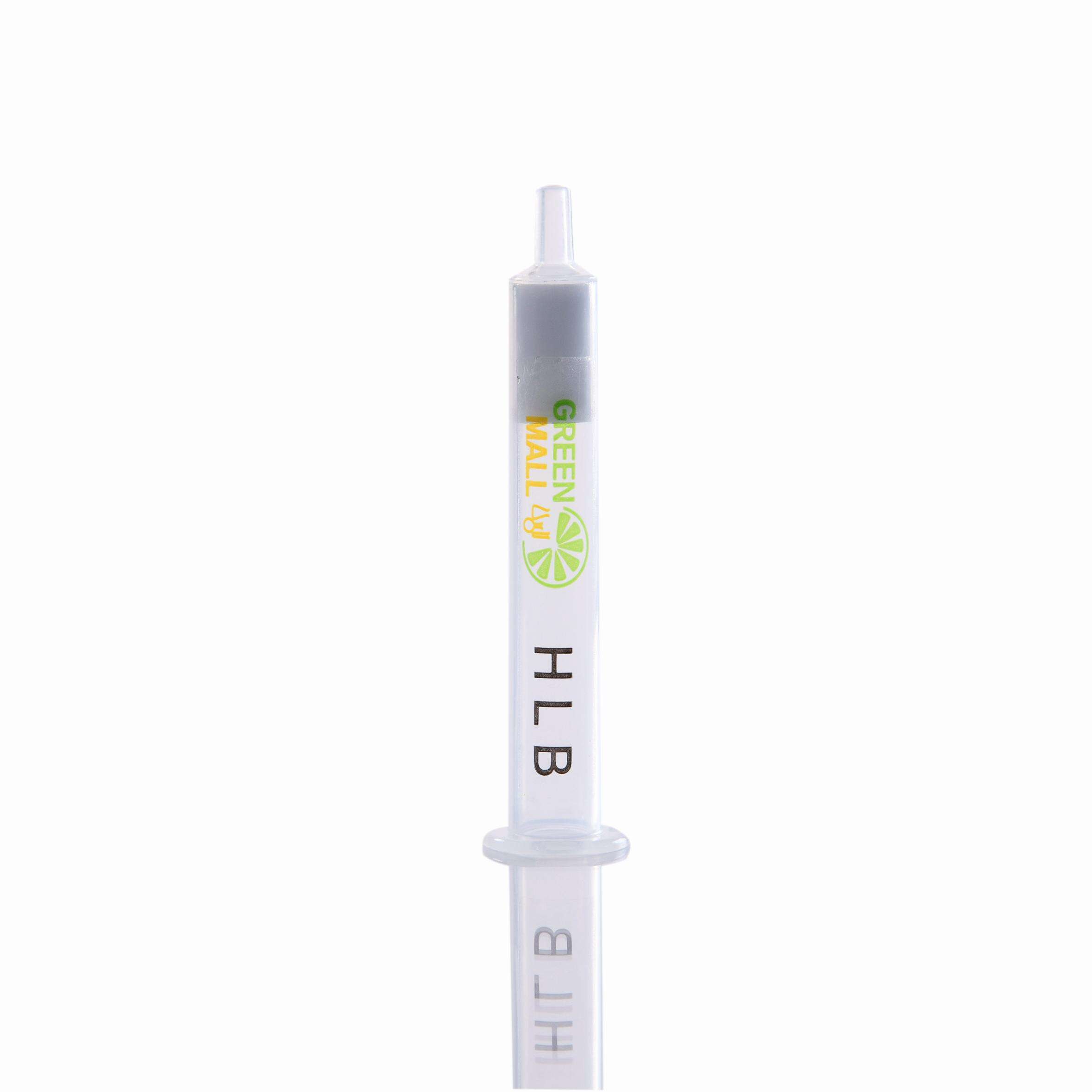
Reversed-phase sorbents remain the most widely used materials in SPE methods due to their broad applicability and predictable retention mechanisms. These sorbents utilize hydrophobic interactions to retain nonpolar and moderately polar compounds while allowing hydrophilic matrix components to pass through during the loading step. The selection of appropriate reversed-phase sorbents depends on analyte polarity, molecular size, and the presence of interfering compounds in the sample matrix.
Alkyl-bonded silica phases such as C18 and C8 provide strong retention for lipophilic compounds but may exhibit secondary interactions through residual silanol groups. Polymer-based reversed-phase sorbents offer advantages for basic compounds and samples with extreme pH values where silica-based materials may be unstable. The optimization of SPE methods using reversed-phase sorbents involves balancing retention strength with selectivity to achieve adequate analyte recovery while rejecting matrix interferences.
Mixed-Mode Sorbents for Enhanced Selectivity
Mixed-mode sorbents combine multiple retention mechanisms within a single extraction step, providing enhanced selectivity for complex sample matrices. These materials typically incorporate reversed-phase and ion-exchange functionalities, enabling simultaneous retention of compounds through different interaction modes. The dual-mode retention mechanism allows for more selective washing steps that can remove interfering matrix components while retaining target analytes.
Strong cation exchange mixed-mode sorbents excel in the extraction of basic compounds from biological matrices by utilizing both hydrophobic and electrostatic interactions. Similarly, strong anion exchange mixed-mode phases provide effective retention for acidic analytes while rejecting basic matrix components. The optimization of SPE methods with mixed-mode sorbents requires careful pH control and consideration of analyte pKa values to ensure appropriate ionization states during extraction.
Method Development Protocols
Sequential Optimization Approach
Developing robust SPE methods for complex matrices requires a systematic approach that addresses each extraction step individually before optimizing the overall procedure. The sequential optimization strategy begins with sorbent selection based on analyte properties and matrix composition, followed by conditioning and equilibration protocol development. This methodical approach ensures that each parameter is optimized within the context of the overall extraction scheme.
Sample loading conditions represent a critical optimization parameter that affects both analyte recovery and matrix component retention. The pH of the loading solution influences analyte ionization and sorbent interactions, while organic modifier content affects retention strength and selectivity. Flow rate optimization balances extraction efficiency with practical throughput requirements, particularly important when processing large sample batches using automated systems.
Washing Strategy Development
Effective washing protocols are essential components of SPE methods designed for complex sample matrices. The washing step removes co-extracted matrix components while maintaining analyte retention on the sorbent material. Developing optimal washing conditions requires understanding the relative affinities of analytes and interferents for the sorbent surface under various solvent conditions.
Multiple washing steps with different solvent compositions can provide enhanced selectivity by sequentially removing different classes of interfering compounds. Aqueous washes typically remove salts and highly polar matrix components, while organic-aqueous mixtures can eliminate moderately polar interferents. The optimization of washing protocols involves balancing selectivity with analyte losses, often requiring compromise between complete matrix removal and quantitative analyte recovery.
Automation and High-Throughput Applications
Robotic SPE Systems
Automated SPE systems have transformed sample preparation workflows by providing consistent, reproducible results while reducing manual labor requirements. Modern robotic platforms can process multiple samples simultaneously using predetermined SPE methods, ensuring uniform treatment across sample batches. These systems incorporate precise liquid handling capabilities that enable accurate volume delivery and timing control throughout the extraction sequence.
The implementation of automated SPE methods requires careful validation to ensure that robotic execution matches manual method performance. Pressure monitoring, flow rate control, and waste management systems integrated into automated platforms provide quality control measures that detect potential method failures during batch processing. The scalability of automated systems makes them particularly valuable for high-throughput applications in pharmaceutical development and environmental monitoring.
Plate-Based SPE Formats
SPE methods adapted for 96-well plate formats enable parallel processing of multiple samples while maintaining the selectivity advantages of traditional cartridge-based approaches. Plate-based SPE utilizes the same sorbent materials and extraction principles as conventional methods but provides increased throughput through simultaneous sample processing. The uniform bed height and controlled flow distribution in well plates ensure consistent extraction performance across all sample positions.
Vacuum manifold systems designed for plate-based SPE methods provide controlled flow rates and pressure differentials that optimize extraction efficiency. The integration of plate-based SPE with automated liquid handling systems creates powerful platforms for method development and routine analysis. These systems are particularly valuable in pharmaceutical bioanalysis where large numbers of pharmacokinetic samples require consistent extraction treatment.
Quality Control and Method Validation
Recovery Studies and Precision Assessment
Comprehensive validation of SPE methods involves systematic evaluation of extraction recovery, precision, and accuracy across the intended analytical range. Recovery studies utilizing spiked samples at multiple concentration levels provide quantitative assessment of extraction efficiency under controlled conditions. These experiments should encompass the full range of expected analyte concentrations and include quality control samples that represent typical matrix compositions.
Precision assessment requires evaluation of both within-batch and between-batch variability to ensure that SPE methods produce consistent results over time. Replicate analyses of identical samples processed using the same extraction conditions provide measures of method precision that can be compared to analytical requirements. The assessment of intermediate precision involves different analysts, equipment, and reagent lots to evaluate method robustness under routine laboratory conditions.
Stability and Carry-Over Evaluation
SPE methods must demonstrate analyte stability throughout the extraction and analysis sequence to ensure reliable results. Stability studies examine analyte degradation during sample storage, extraction processing, and post-extraction handling under various environmental conditions. These evaluations are particularly important for labile compounds that may decompose during extended processing times or exposure to light, heat, or extreme pH conditions.
Carry-over assessment ensures that SPE methods do not introduce cross-contamination between samples during sequential processing. This evaluation involves analyzing blank samples immediately following high-concentration samples to detect any residual analyte transfer. The optimization of SPE methods includes wash procedures and reconditioning steps that minimize carry-over while maintaining extraction efficiency for subsequent samples.
Troubleshooting Common Issues
Low Recovery Problems
Low analyte recovery in SPE methods can result from various factors including inadequate retention, analyte losses during washing, or incomplete elution from the sorbent. Systematic troubleshooting begins with evaluating each extraction step individually to identify the source of analyte losses. Sample loading conditions may require adjustment of pH, ionic strength, or organic modifier content to ensure adequate analyte retention on the sorbent material.
Washing step optimization may be necessary when aggressive wash conditions remove target analytes along with matrix components. Reducing wash volume, modifying solvent composition, or eliminating certain washing steps can improve analyte recovery while maintaining acceptable matrix removal. Elution efficiency problems may require stronger elution solvents, increased elution volumes, or modified elution sequences to achieve quantitative analyte recovery.
Matrix Interference Resolution
Persistent matrix interference in SPE methods may require additional selectivity through modified extraction conditions or alternative sorbent materials. Increasing the stringency of washing steps can remove more matrix components, although this approach must be balanced against potential analyte losses. Alternative approaches include pH adjustment during extraction steps to modify analyte and interferent ionization states, thereby changing their relative retention characteristics.
The implementation of orthogonal extraction mechanisms through mixed-mode sorbents or sequential extraction steps can provide enhanced selectivity for challenging matrix interferences. These approaches utilize different physicochemical properties to separate analytes from interferents that co-extract under standard conditions. The optimization of SPE methods for matrix interference resolution often requires iterative testing of multiple parameters to achieve the desired analytical performance.
FAQ
What factors should be considered when selecting sorbents for complex sample matrices?
Sorbent selection for complex matrices requires evaluation of analyte physicochemical properties, matrix composition, and analytical requirements. Consider analyte polarity, charge state, and molecular size when choosing between reversed-phase, normal-phase, or mixed-mode sorbents. Matrix components such as proteins, lipids, and salts influence sorbent performance and may require specialized materials or extraction conditions. The analytical sensitivity requirements and acceptable matrix effects levels also guide sorbent selection decisions.
How can SPE methods be optimized to minimize matrix effects during analysis?
Matrix effect minimization requires systematic optimization of washing protocols to remove interfering components while retaining target analytes. Implement multiple washing steps with different solvent compositions to selectively remove various matrix component classes. Evaluate the use of mixed-mode sorbents that provide enhanced selectivity through multiple retention mechanisms. Post-extraction sample treatment such as dilution or solid-phase cleanup can further reduce matrix effects when necessary.
What validation parameters are critical for SPE methods used with complex samples?
Critical validation parameters include extraction recovery across the analytical range, method precision under routine conditions, and matrix effect assessment using representative samples. Evaluate analyte stability throughout the extraction and analysis sequence, particularly for labile compounds. Assess carry-over between samples during sequential processing and establish appropriate reconditioning procedures. Document method robustness by testing key parameters such as pH, temperature, and timing variations that may occur during routine use.
How should automated SPE systems be validated for complex matrix applications?
Automated system validation requires comparison of robotic execution with manual method performance across all validation parameters. Verify pressure monitoring, flow rate control, and liquid handling accuracy throughout the extraction sequence. Establish quality control procedures that detect system malfunctions or performance drift during batch processing. Document system maintenance requirements and create standard operating procedures that ensure consistent automated performance over time.
Table of Contents
- Understanding Complex Sample Matrices
- Sorbent Selection Strategies
- Method Development Protocols
- Automation and High-Throughput Applications
- Quality Control and Method Validation
- Troubleshooting Common Issues
-
FAQ
- What factors should be considered when selecting sorbents for complex sample matrices?
- How can SPE methods be optimized to minimize matrix effects during analysis?
- What validation parameters are critical for SPE methods used with complex samples?
- How should automated SPE systems be validated for complex matrix applications?