
 EN
EN



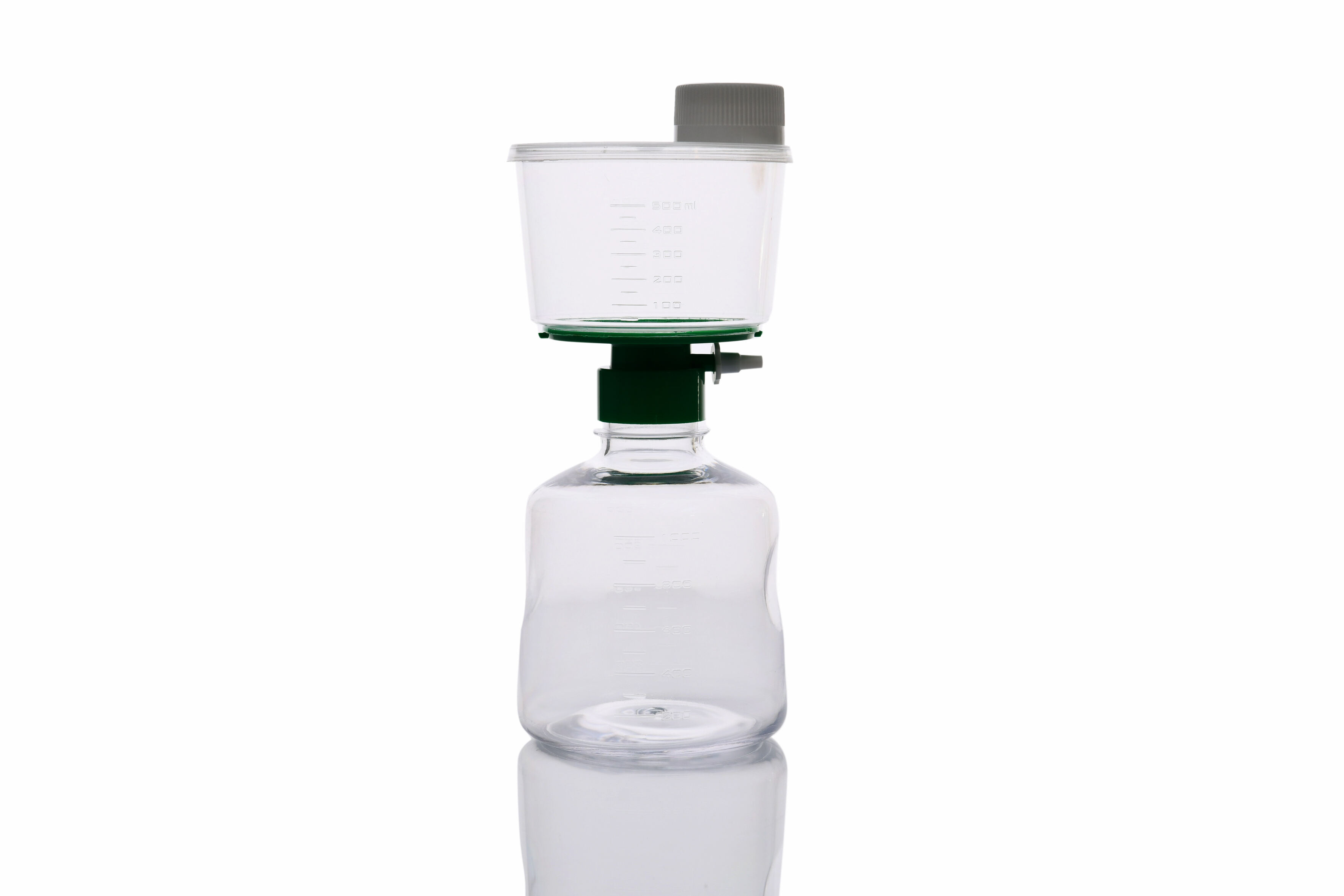
The lifespan of a disposable vacuum filter depends on multiple interconnected factors that directly impact filtration performance and operational efficiency. Understanding these variables helps laboratory professionals and industrial users optimize their filtration processes while managing costs effectively. Environmental conditions, sample characteristics, and operational parameters all play crucial roles in determining how long a disposable vacuum filter will maintain its effectiveness before requiring replacement.
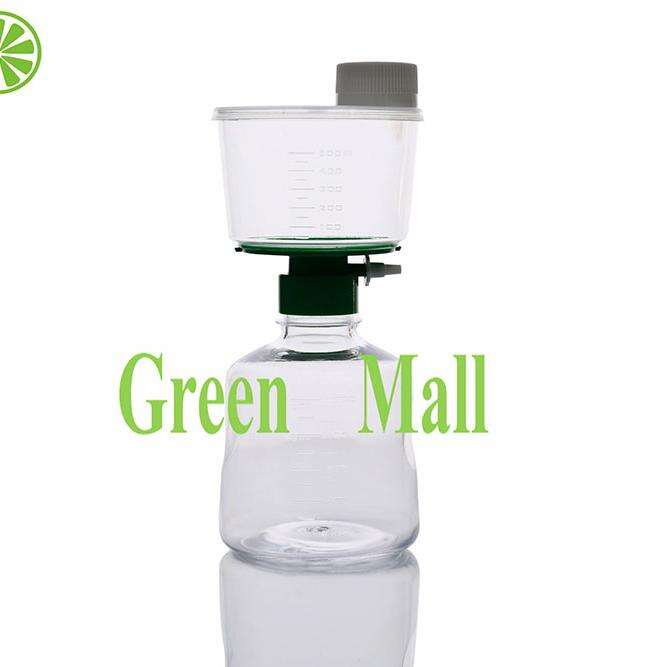
Modern analytical laboratories and industrial facilities rely heavily on consistent filtration performance to maintain quality standards and operational efficiency. The selection and replacement timing of disposable vacuum filter units directly impacts both productivity and cost management. Various factors influence filter longevity, from the physical properties of filtered materials to the specific operating conditions under which these filters function. Recognizing these factors enables users to make informed decisions about filter selection and replacement schedules.
Material Composition and Construction Quality
Filter Media Properties
The fundamental material composition of a disposable vacuum filter significantly determines its operational lifespan and performance characteristics. Different membrane materials, including nylon, PVDF, and PTFE, exhibit varying degrees of chemical compatibility and mechanical strength. Nylon membranes typically demonstrate excellent chemical resistance against most organic solvents and aqueous solutions, making them suitable for diverse laboratory applications. The pore structure and membrane thickness directly influence both filtration efficiency and the filter's ability to withstand repeated pressure cycling during vacuum operations.
Manufacturing quality control processes ensure consistent pore size distribution and membrane integrity, which are critical factors in determining disposable vacuum filter longevity. High-quality membrane materials undergo rigorous testing to verify their burst pressure ratings and chemical compatibility specifications. The uniformity of pore distribution affects how evenly particulates accumulate across the filter surface, preventing premature clogging in localized areas. Advanced manufacturing techniques produce membranes with enhanced structural integrity that can handle higher differential pressures without compromising filtration performance.
Support Structure Design
The underlying support structure of a disposable vacuum filter plays a crucial role in maintaining membrane integrity throughout its operational life. Polypropylene or polyethylene support layers provide mechanical stability while allowing unrestricted fluid flow through the membrane. The design of drainage channels and support ribs determines how effectively the filter handles varying flow rates and pressure differentials. Proper support structure engineering prevents membrane deformation under vacuum conditions, extending the useful life of the disposable vacuum filter assembly.
Housing materials and sealing mechanisms contribute significantly to overall filter performance and longevity. High-quality thermoplastic housings resist chemical attack and maintain dimensional stability across wide temperature ranges. O-ring seals and gasket materials must demonstrate compatibility with filtered substances while maintaining leak-proof performance throughout the filter's operational life. The precision of housing manufacturing tolerances ensures proper membrane seating and prevents bypass flow that could compromise filtration effectiveness.
Operating Conditions and Environmental Factors
Pressure Differential Management
Applied vacuum pressure and resulting differential pressure across the disposable vacuum filter directly influence membrane stress and operational lifespan. Excessive pressure differentials can cause membrane deformation or premature failure, while insufficient vacuum may result in slow filtration rates and extended processing times. Optimal pressure management involves balancing filtration speed requirements with membrane preservation to maximize filter longevity. Most disposable vacuum filter units specify maximum recommended pressure differentials to ensure safe and effective operation.
Gradual pressure application and controlled pressure release help minimize mechanical stress on filter membranes during startup and shutdown procedures. Sudden pressure changes can cause membrane fatigue and reduce the effective lifespan of disposable vacuum filter systems. Monitoring pressure differential trends throughout filtration cycles provides valuable insights into filter loading and helps predict optimal replacement timing. Advanced filtration systems incorporate pressure monitoring capabilities to automatically adjust operating parameters and extend filter life.
Temperature and Chemical Exposure
Operating temperature significantly affects the chemical stability and mechanical properties of disposable vacuum filter materials. Elevated temperatures accelerate chemical degradation processes and may cause membrane shrinkage or embrittlement in certain materials. Most filter manufacturers specify temperature operating ranges to ensure optimal performance and prevent premature failure. Temperature cycling can induce thermal stress in filter assemblies, particularly at component interfaces where different materials with varying thermal expansion coefficients meet.
Chemical compatibility between filtered substances and disposable vacuum filter materials determines both filtration effectiveness and filter longevity. Aggressive solvents or extreme pH conditions can cause membrane swelling, dissolution, or chemical attack that compromises filter integrity. Regular exposure to incompatible chemicals results in gradual degradation and reduced filter lifespan. Understanding chemical compatibility requirements helps users select appropriate filter materials and predict replacement intervals based on expected chemical exposure levels.
Sample Characteristics and Contamination Levels
Particle Size Distribution
The size distribution of particles in filtered samples dramatically affects disposable vacuum filter loading characteristics and operational lifespan. Samples containing high concentrations of particles near the membrane pore size tend to cause rapid filter clogging and reduced throughput. Larger particles typically form surface cake layers that may actually protect the membrane from fine particle penetration, while very fine particles can penetrate into membrane pores and cause internal blocking. Understanding particle size characteristics enables users to predict filter loading patterns and optimize replacement schedules.
Pre-filtration techniques can extend disposable vacuum filter life by removing larger particles that would otherwise contribute to rapid surface fouling. Depth filtration using coarser pre-filters removes bulk contamination while preserving the fine filtration capability of downstream disposable vacuum filter units. Multi-stage filtration approaches distribute particle loading across multiple filter elements, reducing stress on individual components and extending overall system operation time. Strategic particle removal at appropriate stages optimizes both filtration performance and filter longevity.
Sample Volume and Flow Characteristics
Total sample volume processed through a disposable vacuum filter directly correlates with accumulation of retained particles and gradual pressure differential increase. High-volume applications require careful filter sizing and may benefit from larger membrane areas to distribute particle loading more effectively. Flow rate optimization balances processing speed requirements with filter preservation, as excessive flow rates can cause membrane damage or uneven particle distribution. Consistent flow monitoring helps identify optimal operating parameters that maximize both throughput and filter lifespan.
Sample viscosity and density characteristics influence flow patterns through disposable vacuum filter membranes and affect particle transport behavior. High-viscosity samples may require higher pressure differentials to maintain acceptable flow rates, potentially reducing filter life through increased mechanical stress. Dense samples or those containing suspended solids create different loading patterns compared to clear solutions, affecting how quickly filters reach their capacity limits. Understanding sample characteristics enables better filter selection and more accurate lifespan predictions.
Maintenance Practices and Usage Patterns
Installation and Handling Procedures
Proper installation procedures significantly impact the performance and lifespan of disposable vacuum filter assemblies. Correct membrane orientation ensures optimal flow patterns and prevents membrane damage during initial pressurization. Over-tightening of housing connections can cause membrane distortion or seal compression that leads to bypass flow or premature failure. Following manufacturer installation guidelines and using appropriate torque specifications helps ensure maximum filter life and reliable performance throughout the operational period.
Contamination prevention during filter handling and installation protects membrane integrity and prevents introduction of foreign particles that could affect filtration performance. Using clean installation procedures and appropriate personal protective equipment maintains filter cleanliness and prevents handling-related damage. Proper storage conditions for unused disposable vacuum filter units preserve membrane properties and prevent degradation prior to installation. Quality installation practices directly translate to improved filter performance and extended operational life.
Operational Monitoring and Replacement Criteria
Systematic monitoring of filtration performance parameters enables timely disposable vacuum filter replacement before complete failure occurs. Pressure differential trending provides early indication of filter loading and helps predict remaining operational life. Flow rate monitoring identifies gradual throughput reduction that signals approaching filter capacity limits. Establishing clear replacement criteria based on performance metrics rather than arbitrary time intervals optimizes both filtration effectiveness and cost management.
Documentation of filter performance history enables continuous improvement of replacement schedules and operational procedures. Recording sample characteristics, operating conditions, and filter lifespan data helps identify patterns and optimize future filter selection decisions. Regular performance reviews can reveal opportunities to extend disposable vacuum filter life through modified operating procedures or improved sample preparation techniques. Systematic data collection supports evidence-based filter management strategies that balance performance requirements with operational costs.
FAQ
How often should I replace my disposable vacuum filter
Replacement frequency depends on sample volume, contamination levels, and performance requirements rather than fixed time intervals. Monitor pressure differential and flow rate trends to identify when filter capacity approaches limits. Most applications benefit from replacement when pressure differential doubles or flow rate drops significantly. Establish replacement criteria based on your specific application requirements and performance monitoring data.
Can I extend disposable vacuum filter life through cleaning
Disposable vacuum filter units are designed for single-use applications and should not be cleaned or reused. Cleaning attempts can damage membrane integrity and compromise filtration performance. The cost and effort of cleaning procedures typically exceed the expense of new filter replacement. Focus on optimizing operating conditions and sample preparation to maximize initial filter life rather than attempting regeneration.
What causes premature disposable vacuum filter failure
Common causes include excessive pressure differentials, chemical incompatibility, improper installation, and sample overloading. Temperature extremes and rapid pressure changes can also cause membrane damage. Contaminated samples with high particle concentrations lead to rapid filter clogging. Prevent premature failure through proper filter selection, controlled operating conditions, and appropriate sample preparation techniques.
How do I select the right pore size for my application
Pore size selection depends on the smallest particles you need to retain and the clarity requirements of your final filtrate. Choose pore sizes that provide adequate retention while maintaining reasonable flow rates. Consider sample characteristics and contamination levels when selecting membrane specifications. Consult manufacturer guidelines and conduct small-scale trials to verify performance before committing to large-volume applications.