
 EN
EN



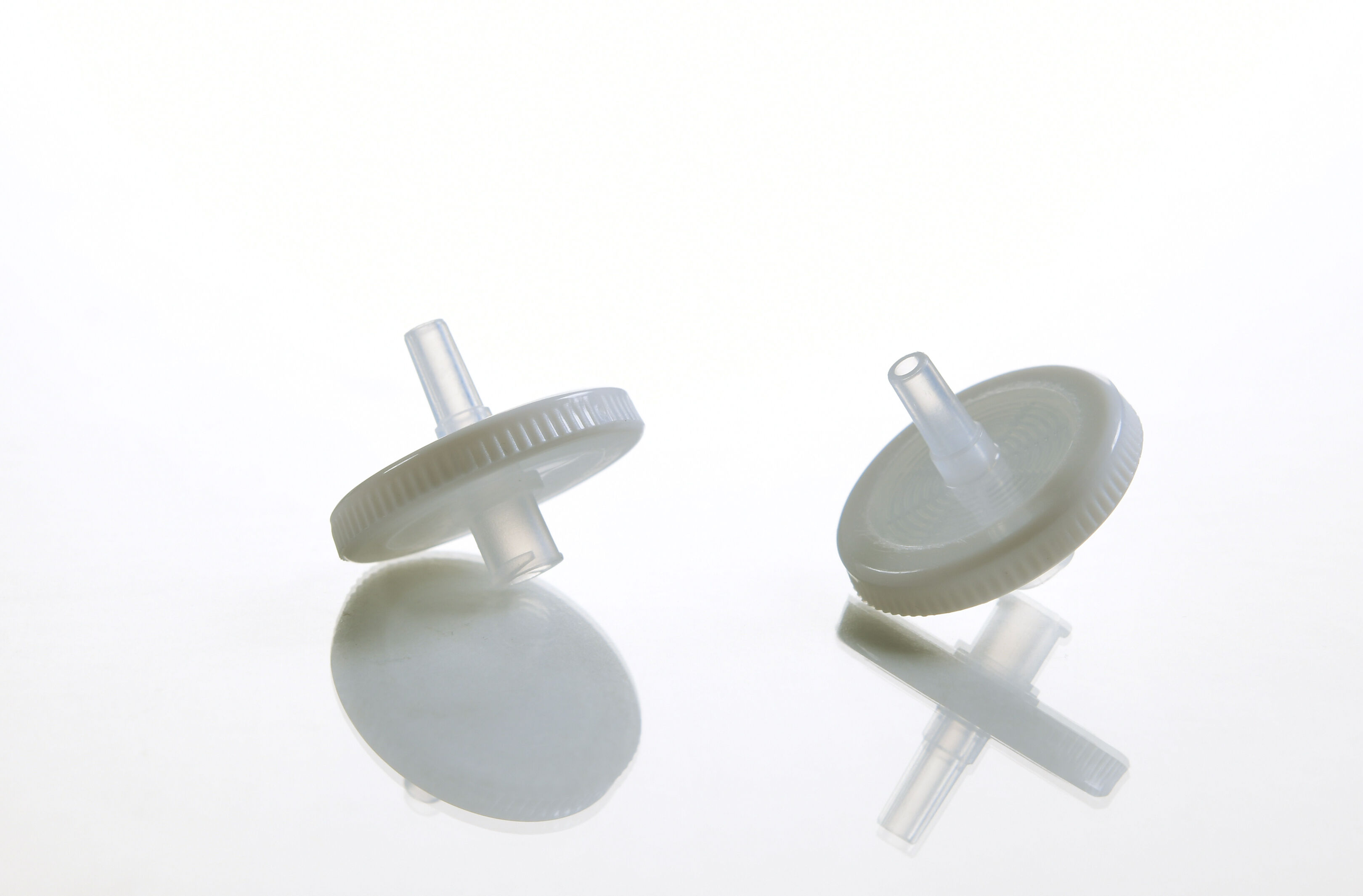
Pharmaceutical manufacturing demands precision, sterility, and absolute quality control at every stage of production. Among the critical tools ensuring these standards is the syringe filter, a compact yet powerful filtration device that serves as the final barrier against contamination in drug preparation and analysis. These specialized filters play an indispensable role in maintaining the integrity of pharmaceutical products, from research and development laboratories to commercial production facilities. The importance of proper filtration cannot be overstated when dealing with injectable medications, vaccines, and other sterile pharmaceutical preparations where even microscopic contaminants can compromise patient safety and therapeutic efficacy.
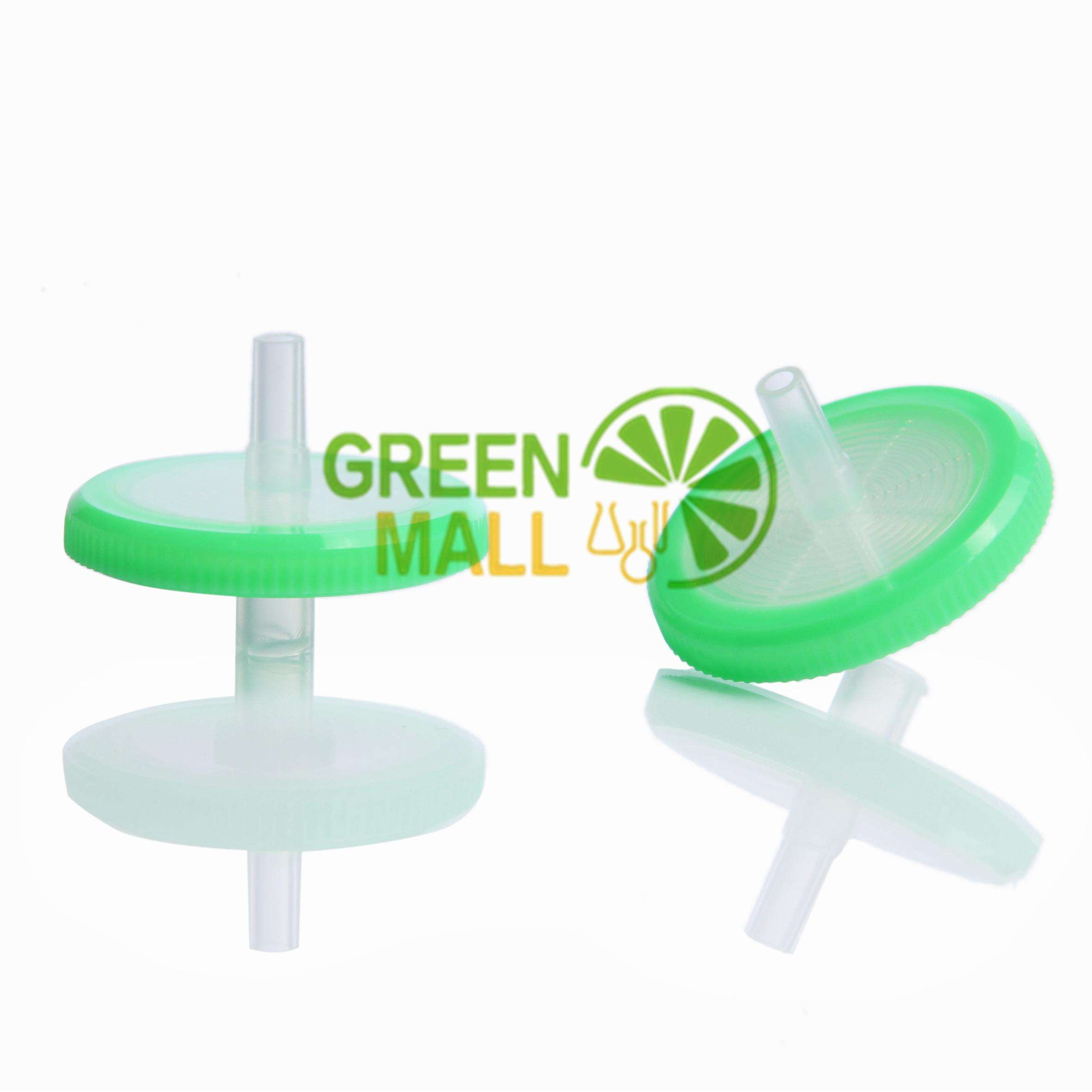
The pharmaceutical industry operates under stringent regulatory frameworks that mandate rigorous quality standards for all products intended for human use. Within this highly controlled environment, every component and process must demonstrate reliability, consistency, and compliance with established protocols. The syringe filter emerges as a crucial element in achieving these objectives by providing point-of-use filtration that removes particulates, bacteria, and other potential contaminants immediately before administration or further processing. This immediate filtration capability ensures that pharmaceutical preparations maintain their intended purity and potency throughout the entire manufacturing and distribution chain.
Modern pharmaceutical applications require filtration solutions that can handle diverse formulations while maintaining compatibility with various drug compounds and excipients. The evolution of syringe filter technology has resulted in sophisticated devices capable of meeting these complex requirements through advanced membrane materials and engineering designs. Understanding the specific roles these filters play in pharmaceutical applications helps manufacturers select appropriate filtration strategies and implement effective quality control measures that protect both product integrity and end-user safety.
Critical Functions in Pharmaceutical Manufacturing
Sterile Filtration and Contamination Control
Sterile filtration represents one of the most fundamental applications of the syringe filter in pharmaceutical manufacturing processes. These devices effectively remove bacteria, fungi, and other microorganisms that could compromise product sterility and patient safety. The filtration mechanism relies on precisely engineered pore structures that physically exclude contaminants while allowing the passage of desired pharmaceutical compounds. This process becomes particularly critical when dealing with heat-sensitive formulations that cannot undergo traditional sterilization methods such as autoclaving or dry heat treatment.
The implementation of sterile filtration protocols using syringe filters ensures that pharmaceutical products meet the stringent microbial limits established by regulatory agencies worldwide. These limits are designed to protect patients from potential infections and adverse reactions that could result from contaminated medications. The reliability of sterile filtration depends heavily on proper filter selection, handling procedures, and validation protocols that confirm the effectiveness of the filtration process under specific operating conditions.
Quality control laboratories extensively utilize syringe filters to prepare samples for microbiological testing and sterility assurance programs. The ability to process small sample volumes while maintaining sterile conditions makes these filters invaluable for routine monitoring and batch release testing. This application ensures that every pharmaceutical product released to market has undergone appropriate sterility verification through properly filtered and prepared test samples.
Particulate Removal and Clarity Enhancement
Pharmaceutical formulations must meet strict clarity specifications to ensure proper therapeutic delivery and prevent adverse reactions caused by particulate matter. The syringe filter provides an effective solution for removing visible and sub-visible particles that can form during manufacturing, storage, or preparation processes. These particles may originate from various sources including raw materials, processing equipment, packaging components, or environmental contamination during handling.
The removal of particulate matter extends beyond aesthetic considerations to encompass critical safety and efficacy concerns. Particles in injectable medications can cause embolic events, inflammatory responses, or interfere with drug distribution and absorption. Regulatory guidelines specify maximum allowable particle counts and sizes for different types of pharmaceutical preparations, making effective filtration an essential component of compliance strategies.
Advanced syringe filter designs incorporate multiple filtration mechanisms to address different types of particulate contamination. Pre-filtration layers capture larger particles and protect the primary filter membrane from premature clogging, while precision-engineered pore structures ensure consistent removal efficiency across the specified particle size range. This multi-layered approach maximizes filtration performance while maintaining acceptable flow rates for practical pharmaceutical applications.
Quality Control and Analytical Applications
Sample Preparation for Chromatographic Analysis
Chromatographic techniques form the backbone of pharmaceutical quality control testing, requiring pristine sample preparation to achieve accurate and reproducible analytical results. The syringe filter plays a crucial role in removing particulates and potential interferents that could damage sensitive analytical instruments or compromise test validity. High-performance liquid chromatography systems, in particular, are vulnerable to particle-induced column damage and detector contamination, making proper sample filtration essential for maintaining instrument performance and extending equipment lifespan.
The selection of appropriate syringe filter materials becomes critical when preparing samples for chromatographic analysis. Different membrane materials exhibit varying degrees of compatibility with pharmaceutical compounds and analytical solvents, potentially affecting recovery rates and introducing measurement bias. Understanding these interactions helps analytical chemists select optimal filtration conditions that maximize analyte recovery while effectively removing unwanted contaminants.
Validation of sample preparation procedures involving syringe filters ensures that filtration steps do not introduce analytical artifacts or compromise measurement accuracy. These validation studies evaluate factors such as analyte binding, extractable compounds, and filtration consistency to establish confidence in analytical results. Proper validation protocols demonstrate that the syringe filter contributes to improved analytical performance rather than introducing additional sources of variability or bias.
Biocompatibility Testing and Safety Assessment
Pharmaceutical products intended for injection or implantation must undergo comprehensive biocompatibility testing to evaluate their safety profile and potential for adverse biological responses. The syringe filter contributes to these assessments by ensuring that test samples are free from extraneous particulates that could confound test results or mask genuine biological responses. Clean, well-filtered samples enable more accurate evaluation of intrinsic material properties and biological interactions.
Extractables and leachables testing represents another critical application where syringe filters support pharmaceutical safety assessment programs. These studies evaluate the potential for packaging materials, processing aids, and manufacturing equipment to release chemical compounds into pharmaceutical products. Proper sample filtration removes particulate matter that could interfere with sensitive analytical methods used to detect and quantify extractable compounds at trace levels.
The implementation of standardized filtration protocols helps ensure consistency and comparability across different biocompatibility testing programs. This standardization becomes particularly important when evaluating novel pharmaceutical formulations or manufacturing processes where historical safety data may be limited. Reliable filtration procedures contribute to the overall quality and defensibility of safety assessment data submitted to regulatory authorities.
Regulatory Compliance and Validation Requirements
FDA and International Standards
Regulatory agencies worldwide have established comprehensive guidelines governing the use of filtration devices in pharmaceutical applications, including specific requirements for syringe filter validation and performance verification. The United States Food and Drug Administration, European Medicines Agency, and other international regulatory bodies require pharmaceutical manufacturers to demonstrate that their filtration processes consistently achieve specified performance criteria under defined operating conditions.
These regulatory frameworks emphasize the importance of understanding filter performance characteristics such as pore size distribution, bubble point pressure, flow rate capacity, and extractables profile. Manufacturers must establish acceptance criteria for these parameters and implement routine monitoring programs to ensure continued compliance throughout the product lifecycle. The syringe filter must demonstrate consistent performance across multiple lots and manufacturing batches to support regulatory approval and maintain marketing authorization.
Documentation requirements for pharmaceutical filtration applications extend beyond basic performance testing to include comprehensive validation protocols, change control procedures, and ongoing stability monitoring programs. These documentation standards ensure traceability and accountability throughout the filtration process while providing regulatory agencies with sufficient evidence to evaluate product safety and efficacy. Proper documentation also supports troubleshooting efforts and facilitates technology transfer between manufacturing sites.
Good Manufacturing Practice Integration
Good Manufacturing Practice regulations require pharmaceutical companies to implement systematic approaches to quality assurance that encompass all aspects of production, including filtration processes involving syringe filters. These regulations mandate the establishment of written procedures, personnel training programs, and quality control systems that ensure consistent product quality and regulatory compliance. Integration of syringe filter applications within GMP frameworks requires careful consideration of personnel qualifications, equipment qualification, and environmental controls.
Risk assessment methodologies play an increasingly important role in pharmaceutical manufacturing quality systems, helping companies identify and mitigate potential sources of product contamination or quality degradation. The syringe filter represents both a critical control point for contamination prevention and a potential source of product variability if not properly managed. Comprehensive risk assessments evaluate factors such as filter integrity, handling procedures, storage conditions, and personnel training to ensure that filtration processes contribute to overall product quality objectives.
Continuous improvement initiatives within pharmaceutical quality systems drive ongoing optimization of filtration processes and syringe filter applications. These initiatives leverage data analytics, process monitoring technologies, and scientific understanding to identify opportunities for enhanced performance, reduced costs, and improved regulatory compliance. The evolution of syringe filter technology continues to support these improvement efforts through advanced materials, innovative designs, and enhanced performance characteristics.
Advanced Applications and Emerging Technologies
Nanotechnology and Advanced Drug Delivery
The emergence of nanotechnology-based pharmaceutical products presents unique challenges and opportunities for syringe filter applications in drug development and manufacturing. Nanoparticle formulations, liposomal drug delivery systems, and other advanced therapeutic modalities require specialized filtration approaches that can effectively remove contaminants while preserving the integrity of nanoscale drug carriers. Traditional filtration mechanisms may not be suitable for these applications, driving the development of innovative syringe filter designs and membrane technologies.
Size-based separation techniques become particularly complex when dealing with pharmaceutical nanoformulations where the distinction between desired nanoparticles and unwanted contaminants may be minimal. Advanced syringe filter technologies incorporate sophisticated membrane structures and surface modifications that enable selective filtration based on particle characteristics beyond simple size exclusion. These developments support the continued advancement of nanomedicine while maintaining the safety and quality standards expected in pharmaceutical applications.
Characterization and quality control of nanoparticle pharmaceutical products rely heavily on proper sample preparation techniques that preserve particle size distributions and surface properties during analysis. The syringe filter plays a critical role in removing aggregates, degradation products, and manufacturing residues that could interfere with nanoparticle characterization methods. Specialized filtration protocols have been developed to support these analytical requirements while maintaining the integrity of nanoscale pharmaceutical systems.
Personalized Medicine and Point-of-Care Applications
The trend toward personalized medicine and point-of-care pharmaceutical preparation creates new demands for portable, user-friendly filtration solutions that can operate outside traditional manufacturing environments. The syringe filter offers significant advantages in these applications due to its compact size, ease of use, and ability to provide immediate filtration without complex equipment or extensive training requirements. These characteristics make syringe filters particularly suitable for clinical settings where customized drug preparations must be prepared on-demand.
Hospital pharmacies and clinical research facilities increasingly rely on syringe filters to prepare patient-specific formulations, dilutions, and admixtures that cannot be commercially manufactured due to stability limitations or individualized dosing requirements. The ability to perform sterile filtration at the point of use ensures that these preparations maintain appropriate quality standards while accommodating the unique requirements of personalized therapeutic protocols.
Quality assurance programs for point-of-care pharmaceutical preparation must address the unique challenges associated with decentralized manufacturing processes while maintaining equivalent safety and efficacy standards. The syringe filter contributes to these quality assurance efforts by providing standardized filtration performance that can be validated and monitored across multiple preparation sites. Training programs and standard operating procedures ensure consistent application of filtration techniques regardless of the specific clinical setting or personnel involved.
FAQ
What pore size syringe filter is most commonly used in pharmaceutical applications?
The 0.22-micron pore size represents the most widely used syringe filter specification in pharmaceutical applications due to its effectiveness in removing bacteria and other microorganisms while allowing pharmaceutical compounds to pass through freely. This pore size provides sterile filtration capabilities that meet regulatory requirements for injectable medications and other sterile pharmaceutical products. However, specific applications may require different pore sizes depending on the nature of contaminants being removed and the characteristics of the pharmaceutical formulation being processed.
How do you validate syringe filter performance in pharmaceutical manufacturing?
Syringe filter validation in pharmaceutical manufacturing involves comprehensive testing programs that evaluate critical performance parameters including bacterial retention efficiency, particulate removal capability, extractables profile, and flow rate characteristics. Validation protocols typically include integrity testing using bubble point or diffusion methods, microbial challenge studies with specified test organisms, and compatibility assessments with representative pharmaceutical formulations. These validation activities must be documented according to regulatory guidelines and repeated periodically to ensure continued performance throughout the product lifecycle.
Can syringe filters affect drug potency or stability during filtration?
Properly selected and validated syringe filters should not significantly affect drug potency or stability during filtration processes. However, certain pharmaceutical compounds may exhibit binding affinity for specific filter membrane materials, potentially resulting in reduced recovery rates or altered concentration profiles. Compatibility studies evaluate these interactions by comparing drug concentrations before and after filtration using validated analytical methods. Filter manufacturers provide guidance on membrane selection based on chemical compatibility data and application-specific recommendations to minimize potential impacts on drug potency and stability.
What are the key differences between disposable and reusable syringe filters in pharmaceutical use?
Disposable syringe filters are designed for single-use applications and offer advantages including consistent performance, elimination of cross-contamination risks, and reduced validation requirements compared to reusable alternatives. Pharmaceutical applications typically favor disposable syringe filters due to their ability to ensure sterility and prevent carry-over between different products or batches. Reusable filters require extensive cleaning and sterilization protocols that may not be practical or cost-effective in pharmaceutical manufacturing environments where product safety and regulatory compliance are paramount considerations.
Table of Contents
- Critical Functions in Pharmaceutical Manufacturing
- Quality Control and Analytical Applications
- Regulatory Compliance and Validation Requirements
- Advanced Applications and Emerging Technologies
-
FAQ
- What pore size syringe filter is most commonly used in pharmaceutical applications?
- How do you validate syringe filter performance in pharmaceutical manufacturing?
- Can syringe filters affect drug potency or stability during filtration?
- What are the key differences between disposable and reusable syringe filters in pharmaceutical use?