
 EN
EN



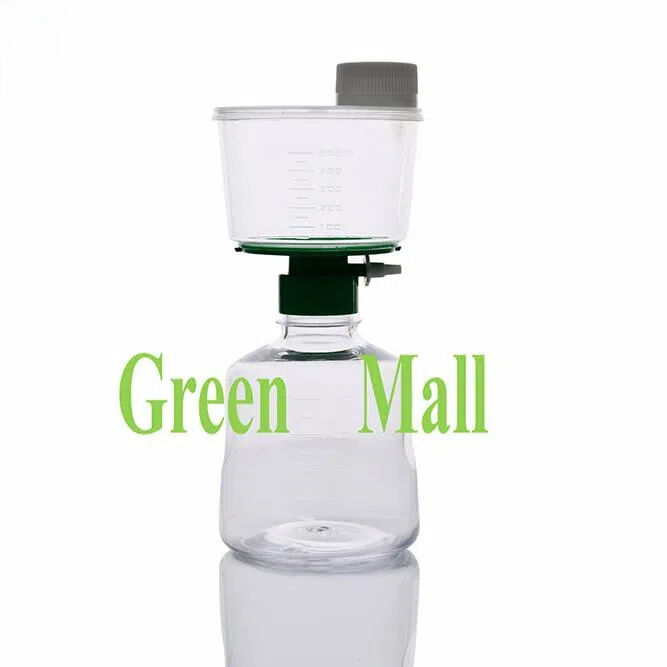
Laboratory professionals worldwide rely on efficient filtration methods to ensure the purity and quality of their solutions. Among the various filtration devices available, the Bottle Top Filter stands out as an indispensable tool for sterile filtration applications. This specialized equipment combines convenience with performance, offering researchers a reliable method for filtering liquids directly into storage containers. Understanding the functionality and applications of this filtration system is crucial for anyone working in analytical chemistry, microbiology, or pharmaceutical research environments.
Understanding Bottle Top Filter Technology
Core Components and Design
The Bottle Top Filter represents a sophisticated approach to laboratory filtration, incorporating several key components that work together seamlessly. The primary element is the filter membrane, which serves as the selective barrier for removing unwanted particles, microorganisms, or contaminants from liquid samples. This membrane is typically housed within a durable plastic or glass assembly that connects directly to standard laboratory bottles. The design eliminates the need for separate collection containers, streamlining the filtration process significantly.
Modern Bottle Top Filter systems feature ergonomic designs that facilitate easy handling and operation. The upper portion contains an inlet funnel or reservoir where the sample liquid is introduced, while the lower section includes the threaded connection that attaches securely to receiving bottles. Many units incorporate additional safety features such as venting systems to prevent vacuum buildup and ensure consistent flow rates throughout the filtration process.
Membrane Technology and Materials
The effectiveness of any Bottle Top Filter depends heavily on the membrane technology employed. Common membrane materials include polyethersulfone, cellulose acetate, nylon, and PTFE, each offering distinct advantages for specific applications. Polyethersulfone membranes excel in protein filtration due to their low protein binding properties, while cellulose acetate provides excellent compatibility with aqueous solutions. The pore sizes typically range from 0.1 to 0.45 micrometers, allowing precise control over particle retention.
Advanced manufacturing techniques ensure uniform pore distribution across the membrane surface, resulting in consistent filtration performance. The membrane structure must maintain integrity under various pressure conditions while providing optimal flow rates. Quality Bottle Top Filter systems undergo rigorous testing to verify sterility, extractable levels, and particle retention efficiency before reaching laboratory users.
Operational Mechanisms and Processes
Vacuum Filtration Principles
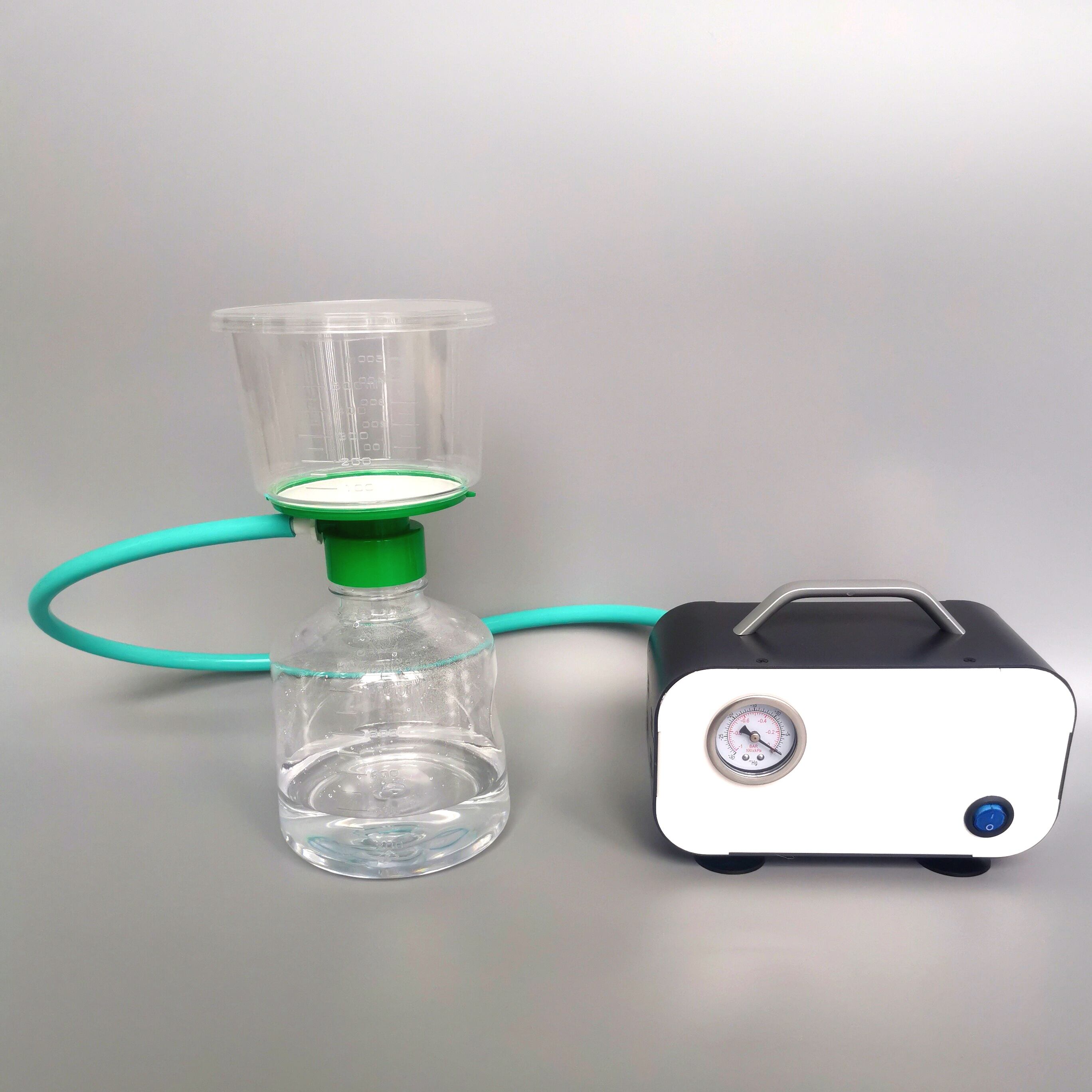
The primary operating mechanism of a Bottle Top Filter involves vacuum-driven filtration, where negative pressure draws liquid through the membrane. This process begins when the sample is poured into the upper funnel, and vacuum is applied to the receiving bottle. The pressure differential forces liquid molecules through the membrane pores while retaining particles larger than the specified pore size. This method ensures rapid processing of large sample volumes without compromising filtration quality.
Vacuum levels must be carefully controlled to optimize performance without damaging sensitive samples or membranes. Most laboratory vacuum systems operate between 15-25 inches of mercury, providing sufficient driving force for efficient filtration. The Bottle Top Filter design incorporates flow controls and pressure relief mechanisms to maintain optimal operating conditions throughout the process.
Sample Processing Workflow
Effective utilization of a Bottle Top Filter requires following established protocols to ensure reproducible results. The process typically begins with pre-wetting the membrane using an appropriate solvent that matches the sample matrix. This step eliminates air bubbles and establishes uniform flow patterns across the membrane surface. Subsequently, the sample is introduced gradually to prevent membrane damage and maintain consistent filtration rates.
Monitoring filtration progress allows operators to identify potential issues such as membrane clogging or flow rate decline. Professional laboratory practices recommend recording filtration times, volumes processed, and any observations regarding sample appearance or flow characteristics. These data points contribute to quality assurance documentation and help optimize future filtration procedures using the Bottle Top Filter system.
Laboratory Applications and Use Cases
Sterile Filtration Requirements
Sterile filtration represents one of the most critical applications for Bottle Top Filter systems in modern laboratories. Pharmaceutical research facilities rely on these devices to remove bacteria, fungi, and other microorganisms from drug formulations, culture media, and analytical standards. The 0.22-micrometer pore size commonly used for sterilization effectively retains microorganisms while allowing the passage of dissolved substances and smaller molecules.
Cell culture applications particularly benefit from Bottle Top Filter technology, as researchers must maintain sterile conditions when preparing growth media, buffer solutions, and supplement stocks. The direct filtration into storage bottles eliminates additional transfer steps that could introduce contamination. Many laboratories implement Bottle Top Filter systems within laminar flow hoods to maintain the sterile environment required for critical applications.
Analytical Sample Preparation
Analytical chemistry laboratories extensively utilize Bottle Top Filter systems for sample preparation in various instrumental techniques. High-performance liquid chromatography applications require particle-free mobile phases to prevent column damage and ensure reproducible separations. The Bottle Top Filter effectively removes suspended particles, precipitates, and other interfering substances that could compromise analytical results.
Environmental testing laboratories employ these filtration systems when processing water samples, soil extracts, and other environmental matrices. The ability to filter large volumes directly into appropriate containers streamlines sample handling procedures and reduces the risk of cross-contamination. Quality control protocols often specify Bottle Top Filter usage for preparing reference standards and calibration solutions used in routine analytical procedures.
Selection Criteria and Performance Factors
Membrane Selection Guidelines
Choosing the appropriate Bottle Top Filter requires careful consideration of several factors, including sample compatibility, filtration objectives, and downstream applications. Chemical compatibility between the membrane material and sample components is paramount to prevent unwanted interactions or sample contamination. Solvent resistance characteristics must align with the specific chemicals present in the samples being processed.
Pore size selection depends on the intended application and the size of particles or microorganisms that need to be retained. Prefiltration through larger pore sizes may be necessary for samples containing high levels of suspended solids to prevent rapid membrane clogging. The Bottle Top Filter manufacturer specifications provide guidance on recommended applications and performance characteristics for each membrane type.
Flow Rate and Capacity Considerations
Filtration efficiency and processing speed represent crucial performance indicators for any Bottle Top Filter system. Membrane area directly influences flow rates, with larger surface areas generally providing higher throughput capabilities. However, the relationship between membrane area and flow rate is also affected by sample viscosity, particle loading, and applied vacuum levels.
Capacity limitations become apparent when processing samples with high particle content, as accumulated debris gradually restricts flow through the membrane. Understanding these limitations helps laboratory personnel select appropriate Bottle Top Filter configurations and establish realistic processing expectations. Regular monitoring of flow rates during filtration provides early indication of membrane saturation or potential problems.
Maintenance and Quality Assurance
Proper Handling Procedures
Maintaining the integrity and performance of Bottle Top Filter systems requires adherence to established handling procedures and storage protocols. These devices are typically supplied in sterile packaging and must be handled using aseptic techniques to preserve sterility. Contamination of the membrane or housing components can compromise filtration effectiveness and introduce unwanted substances into filtered samples.
Storage conditions significantly impact the shelf life and performance of Bottle Top Filter units. Temperature extremes, humidity variations, and exposure to chemicals can degrade membrane materials or packaging integrity. Most manufacturers provide specific storage recommendations and expiration dating to ensure optimal performance throughout the product lifecycle.
Performance Validation Methods
Regular validation of Bottle Top Filter performance ensures consistent results and compliance with quality standards. Integrity testing methods, such as bubble point measurements and diffusion tests, verify membrane structure and pore size uniformity. These tests help identify potential defects or damage that could compromise filtration effectiveness.
Documentation requirements in regulated laboratory environments necessitate maintaining detailed records of Bottle Top Filter usage, including lot numbers, expiration dates, and performance test results. Traceability systems help identify potential issues and support corrective actions when problems arise. Regular calibration of vacuum systems and flow measurement devices ensures accurate and reproducible filtration conditions.
Advanced Features and Innovations
Automated Integration Capabilities
Modern Bottle Top Filter designs incorporate features that facilitate integration with automated laboratory systems and robotic platforms. Electronic sensors can monitor filtration progress, vacuum levels, and flow rates in real-time, providing data for process optimization and quality control purposes. These technological advances enable high-throughput processing while maintaining the precision and reliability required for critical applications.
Automated systems can control vacuum application, sample introduction rates, and filtration endpoints based on predetermined parameters. This level of automation reduces operator variability and improves reproducibility across multiple filtration cycles. The Bottle Top Filter becomes an integral component of larger analytical workflows, contributing to overall laboratory efficiency and productivity.
Environmental and Safety Considerations
Environmental consciousness in laboratory operations has driven innovations in Bottle Top Filter design and materials. Manufacturers increasingly focus on sustainable materials and packaging options that reduce environmental impact without compromising performance. Biodegradable components and recyclable materials are becoming more prevalent in new product offerings.
Safety enhancements include improved ergonomic designs that reduce repetitive stress injuries and minimize exposure to hazardous samples. Integrated safety features such as pressure relief valves and secure connections help prevent accidents and protect laboratory personnel. The Bottle Top Filter design evolution continues to prioritize both environmental responsibility and operator safety in laboratory applications.
FAQ
What is the typical lifespan of a Bottle Top Filter membrane
The lifespan of a Bottle Top Filter membrane depends on several factors including sample type, particle loading, and filtration volume. Generally, these filters are designed for single-use applications and should be discarded after processing one sample or reaching the manufacturer's recommended volume capacity. Attempting to reuse membranes can lead to contamination and compromised filtration performance.
How do I determine the correct pore size for my application
Selecting the appropriate pore size for your Bottle Top Filter depends on your specific filtration objectives. For sterile filtration, 0.22 micrometers is standard for removing bacteria and fungi. Larger pore sizes like 0.45 micrometers work well for clarification and particle removal. Consider the size of particles you need to retain and consult manufacturer guidelines for application-specific recommendations.
Can Bottle Top Filter systems handle organic solvents
Many Bottle Top Filter systems are compatible with organic solvents, but membrane material selection is critical. PTFE and nylon membranes typically offer excellent chemical resistance to most organic solvents, while cellulose-based membranes may not be suitable. Always verify chemical compatibility between your solvents and the membrane material before use to prevent damage or contamination.
What should I do if filtration flow rate decreases during use
Decreased flow rate in a Bottle Top Filter usually indicates membrane clogging due to particle accumulation. First, check that vacuum levels are adequate and connections are secure. If the problem persists, the membrane may be saturated and require replacement. For samples with high particle content, consider prefiltration through larger pore sizes to extend membrane life and maintain consistent flow rates.