
 EN
EN



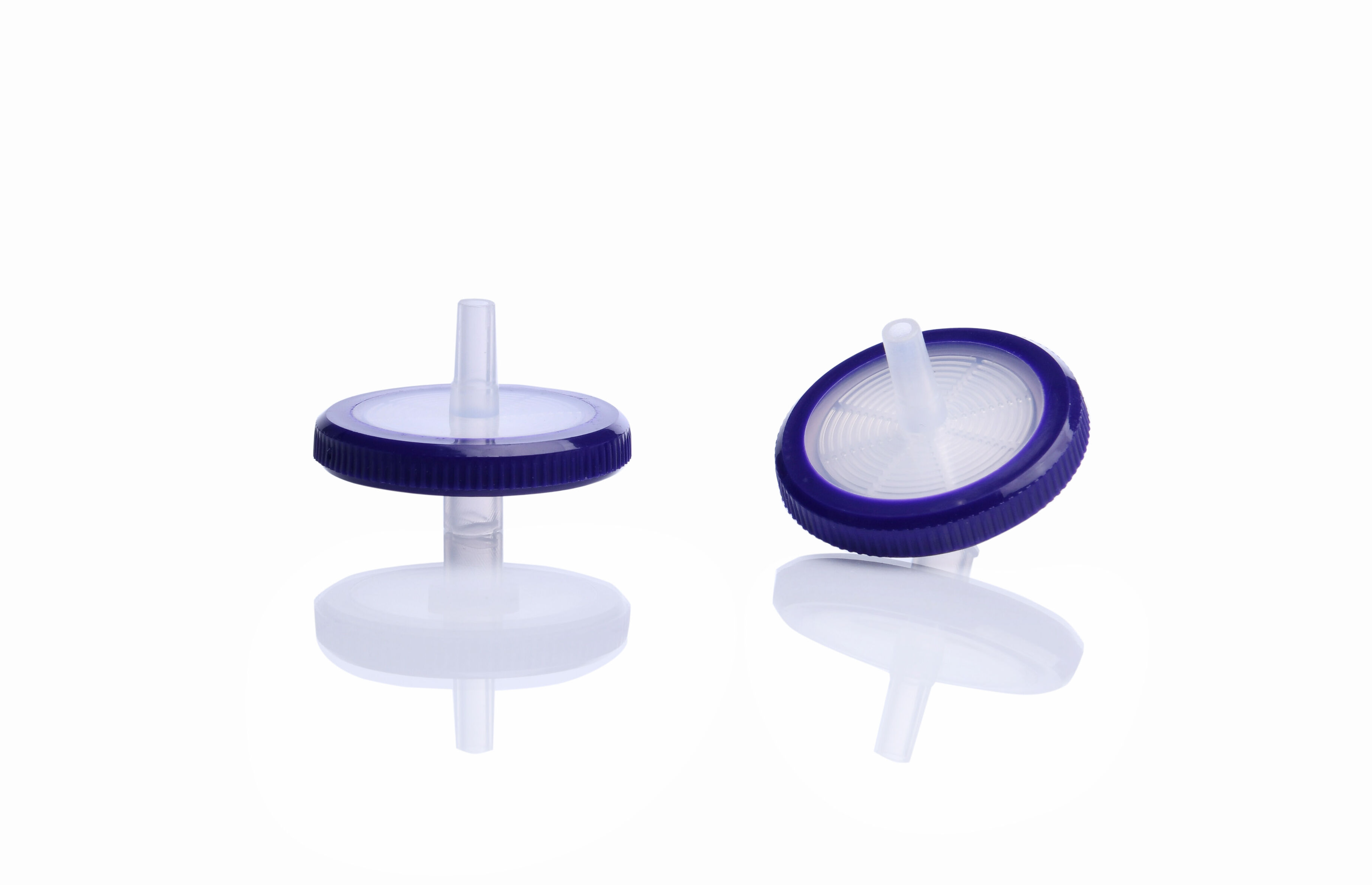
Understanding pore size fundamentals is crucial for selecting the optimal syringe filter for laboratory and industrial applications. Pore size directly influences filtration efficiency, flow rate, and the ability to remove specific contaminants from samples. When professionals need to achieve precise filtration results, the relationship between pore size and performance becomes a critical factor in ensuring accurate analytical outcomes and maintaining sample integrity.
Fundamental Principles of Pore Size in Filtration
Physical Mechanisms Behind Pore Size Function
The pore size in a syringe filter operates through several physical mechanisms that determine its filtration capabilities. Size exclusion represents the primary mechanism, where particles larger than the pore diameter are physically blocked from passing through the membrane. This straightforward principle ensures that contaminants exceeding the specified pore size remain trapped while smaller particles and dissolved substances pass through unimpeded.
Adsorption mechanisms also play a significant role in syringe filter performance, particularly with smaller pore sizes. Even particles smaller than the nominal pore size can be retained through electrostatic interactions, van der Waals forces, and hydrophobic interactions with the membrane material. These secondary retention mechanisms enhance the overall filtration efficiency beyond simple mechanical sieving.
Depth filtration occurs within the membrane structure itself, creating a tortuous path that increases particle-membrane contact time. This extended interaction period allows multiple opportunities for particle retention, making the syringe filter more effective at removing contaminants that might otherwise pass through based solely on size considerations.
Relationship Between Pore Size and Particle Retention
The correlation between pore size and particle retention follows predictable patterns that guide proper filter selection. Particles approximately ten times larger than the pore diameter achieve near-complete retention, ensuring reliable separation performance. However, particles closer in size to the pore diameter exhibit variable retention rates depending on factors such as particle shape, flexibility, and surface characteristics.
Membrane thickness also influences particle retention efficiency, with thicker membranes providing multiple filtration layers that increase overall retention probability. The three-dimensional structure of the syringe filter membrane creates numerous retention opportunities, making it possible to achieve high removal efficiencies even for particles approaching the nominal pore size limit.
Surface charge interactions between particles and membrane materials can significantly affect retention performance, particularly for biological samples and charged contaminants. Understanding these electrostatic effects helps predict filtration outcomes and optimize sample preparation procedures for specific analytical requirements.
Impact of Pore Size on Flow Rate and Throughput
Flow Rate Optimization Strategies
Larger pore sizes generally provide higher flow rates due to reduced hydraulic resistance through the membrane structure. This relationship follows Darcy's law principles, where flow rate increases proportionally with pore diameter squared. However, achieving optimal flow rates requires balancing filtration efficiency with throughput requirements to maintain sample quality while maximizing productivity.
Membrane porosity, defined as the percentage of void space within the membrane structure, significantly influences flow characteristics independently of nominal pore size. A syringe filter with high porosity can achieve excellent flow rates even with smaller pore sizes, making it ideal for applications requiring both fine filtration and rapid processing.
Applied pressure differentials across the membrane directly affect flow rates, with higher pressures driving faster filtration. However, excessive pressure can cause membrane damage or particle breakthrough, making pressure optimization essential for maintaining both flow rate and filtration integrity throughout the filtration process.
Throughput Considerations for Different Applications
Laboratory applications requiring high sample throughput benefit from larger pore size selections when filtration requirements permit. Routine sample clarification, protein precipitation removal, and general particulate cleanup often achieve adequate results with 0.45 μm or larger pore sizes, enabling rapid processing of multiple samples.
Critical applications such as sterile filtration or trace analysis may require smaller pore sizes despite reduced throughput. The syringe filter selection must prioritize filtration performance over speed in these cases, ensuring complete removal of target contaminants regardless of processing time requirements.
Batch size considerations influence optimal pore size selection, with larger volumes potentially requiring multiple filter changes when using smaller pore sizes. Planning filtration workflows around expected throughput limitations helps maintain consistent sample quality while managing operational efficiency.
Application-Specific Pore Size Selection Guidelines
Biological Sample Filtration Requirements
Protein analysis applications typically require pore sizes between 0.22 and 0.45 μm to remove cellular debris while preserving protein integrity. The syringe filter must effectively eliminate particles that could interfere with spectroscopic measurements or chromatographic separations without removing or denaturing the target proteins through excessive retention or membrane interactions.
Cell culture media preparation demands sterile filtration capabilities, typically requiring 0.22 μm pore sizes to ensure complete bacterial and fungal spore removal. These applications prioritize absolute removal efficiency over flow rate, making membrane selection critical for maintaining sterile conditions and preventing contamination in sensitive biological systems.
DNA and RNA sample preparation requires careful pore size selection to prevent nucleic acid degradation while removing inhibitory substances. Larger pore sizes may be sufficient for removing gross particulates, while subsequent fine filtration steps ensure complete purification without sample loss or contamination.
Chemical Analysis Optimization
HPLC sample preparation typically utilizes 0.22 or 0.45 μm pore sizes to remove particles that could damage columns or interfere with analytical results. The syringe filter selection depends on the sample matrix complexity and the sensitivity of the analytical method to particulate interference.
Trace metal analysis requires specialized considerations for pore size selection, as certain membrane materials may introduce contamination or exhibit analyte retention. Ultra-clean filtration protocols often employ specific pore sizes optimized for minimal metal contamination while maintaining adequate particle removal efficiency.
Organic solvent compatibility becomes crucial when selecting pore sizes for chemical analysis applications. The membrane material must withstand solvent exposure while maintaining structural integrity and filtration performance throughout the analytical procedure.
Membrane Material Influence on Pore Size Performance
Material-Specific Characteristics
Polyethersulfone membranes offer excellent chemical compatibility and low protein binding, making them ideal for biological applications where sample recovery is critical. The pore structure in PES membranes remains stable across wide pH ranges, ensuring consistent filtration performance regardless of sample conditions.
PTFE membranes provide superior chemical resistance and hydrophobic properties, making them suitable for organic solvent filtration and aggressive chemical applications. The unique pore structure of PTFE allows effective filtration of both aqueous and non-aqueous samples while maintaining membrane integrity under challenging conditions.
Nylon membranes excel in applications requiring broad chemical compatibility and high mechanical strength. The syringe filter constructed with nylon membranes can withstand higher pressures while maintaining precise pore size characteristics essential for reproducible filtration results.
Surface Chemistry Effects on Filtration
Membrane surface hydrophilicity significantly influences wetting characteristics and flow initiation, particularly important for aqueous sample filtration. Hydrophilic membranes wet rapidly and completely, ensuring immediate flow establishment and consistent filtration performance from the first drops of sample.
Surface charge properties affect particle retention through electrostatic interactions that supplement size exclusion mechanisms. Positively charged membranes can enhance retention of negatively charged particles, while neutral surfaces minimize unwanted sample interactions that could affect analytical results.
Protein binding characteristics vary significantly among membrane materials, influencing sample recovery rates and potential analytical interference. Low-binding membranes preserve sample integrity while high-binding materials may be beneficial for removing unwanted proteins from specific samples.
Quality Control and Performance Validation
Pore Size Verification Methods
Bubble point testing provides a reliable method for verifying actual pore sizes in manufacturing quality control processes. This technique measures the pressure required to force air through water-wetted membranes, correlating directly with the largest pore diameter present in the membrane structure.
Bacterial challenge testing validates sterile filtration performance by exposing membranes to standardized bacterial suspensions. The syringe filter must demonstrate complete retention of test organisms to qualify for sterile filtration applications, ensuring reliable performance in critical applications.
Particle retention efficiency testing using standardized latex spheres provides quantitative data on filtration performance across different particle size ranges. These tests establish retention curves that predict performance for real-world applications with complex particle size distributions.
Performance Consistency Monitoring
Flow rate testing under standardized conditions ensures consistent hydraulic performance across production batches. Regular monitoring of flow characteristics helps identify membrane variations that could affect filtration outcomes in routine applications.
Extractable testing verifies that membrane materials do not contribute unwanted substances to filtered samples. This quality control measure becomes particularly important for trace analysis applications where even minimal contamination could compromise analytical results.
Long-term stability testing evaluates membrane performance under extended storage conditions, ensuring that pore size characteristics remain stable throughout the product shelf life. These studies provide confidence in filtration consistency for applications requiring long-term sample processing campaigns.
Troubleshooting Common Pore Size Related Issues
Flow Rate Problems and Solutions
Slow flow rates often indicate pore blocking by particles or membrane fouling by sample components. Switching to a larger pore size or implementing pre-filtration steps can resolve throughput issues while maintaining adequate filtration quality for the intended application.
Complete flow stoppage typically results from membrane pore plugging by particles significantly larger than the pore diameter. The syringe filter may require replacement or the sample may need dilution or pre-treatment to reduce particle loading and restore normal flow characteristics.
Inconsistent flow rates across similar samples suggest membrane quality variations or improper storage conditions. Implementing proper storage protocols and sourcing filters from qualified suppliers helps maintain consistent filtration performance across different sample batches.
Sample Recovery and Quality Issues
Low sample recovery often indicates excessive retention of target analytes by the membrane material or inappropriate pore size selection. Evaluating alternative membrane materials or adjusting pore size can improve recovery while maintaining necessary filtration performance.
Sample contamination may result from membrane extractables or inadequate particle retention due to oversized pore selection. Proper membrane selection and quality validation help eliminate contamination sources while ensuring effective particle removal.
Analytical interference patterns sometimes indicate retention of critical sample components by membranes with inappropriate pore sizes. Systematic evaluation of different pore sizes helps identify optimal filtration conditions that preserve sample integrity while removing unwanted contaminants.
FAQ
What pore size should I choose for HPLC sample preparation
For most HPLC applications, 0.22 μm or 0.45 μm pore sizes provide optimal particle removal without excessive pressure requirements. Choose 0.22 μm for critical applications requiring maximum particle removal, and 0.45 μm for routine analysis where faster flow rates are beneficial. The syringe filter selection should consider sample matrix complexity and analytical sensitivity requirements.
Can I use the same pore size for all my laboratory applications
While convenient, using a single pore size for all applications may compromise either filtration efficiency or throughput in specific cases. Sterile filtration requires 0.22 μm pores, while sample clarification often works well with 0.45 μm or larger pores. Evaluate each application individually to optimize performance and avoid unnecessary limitations.
How does pore size affect membrane clogging and filter lifetime
Smaller pore sizes generally experience faster clogging due to higher surface retention of particles, reducing filter lifetime in high-particulate samples. Pre-filtration with larger pore sizes can extend the life of fine filters while maintaining final filtration quality. Consider particle loading and implement appropriate pre-treatment strategies for optimal filter utilization.
Does membrane material affect the performance of different pore sizes
Yes, membrane material significantly influences filtration performance independent of pore size. Hydrophobic materials like PTFE provide different wetting characteristics compared to hydrophilic materials like PES, affecting flow rates and sample compatibility. Chemical resistance and protein binding properties also vary among materials, making material selection as important as pore size for optimal syringe filter performance.