
 EN
EN



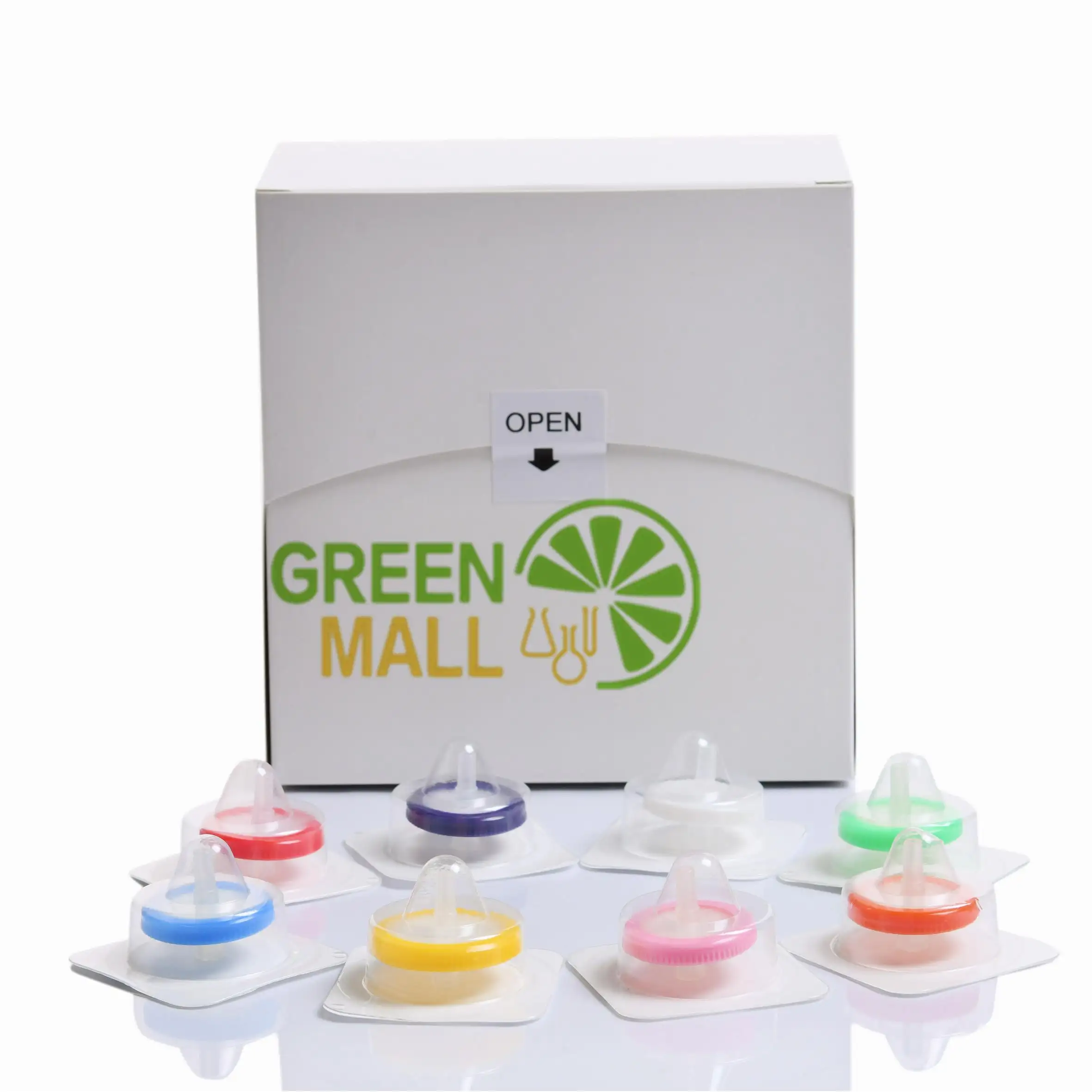
Selecting the appropriate pore size for your sterile syringe filter application is a critical decision that directly impacts the effectiveness of your filtration process. The pore size determines which particles, contaminants, and microorganisms your syringe filter can effectively remove, making it essential to match the filtration requirements with your specific application needs.
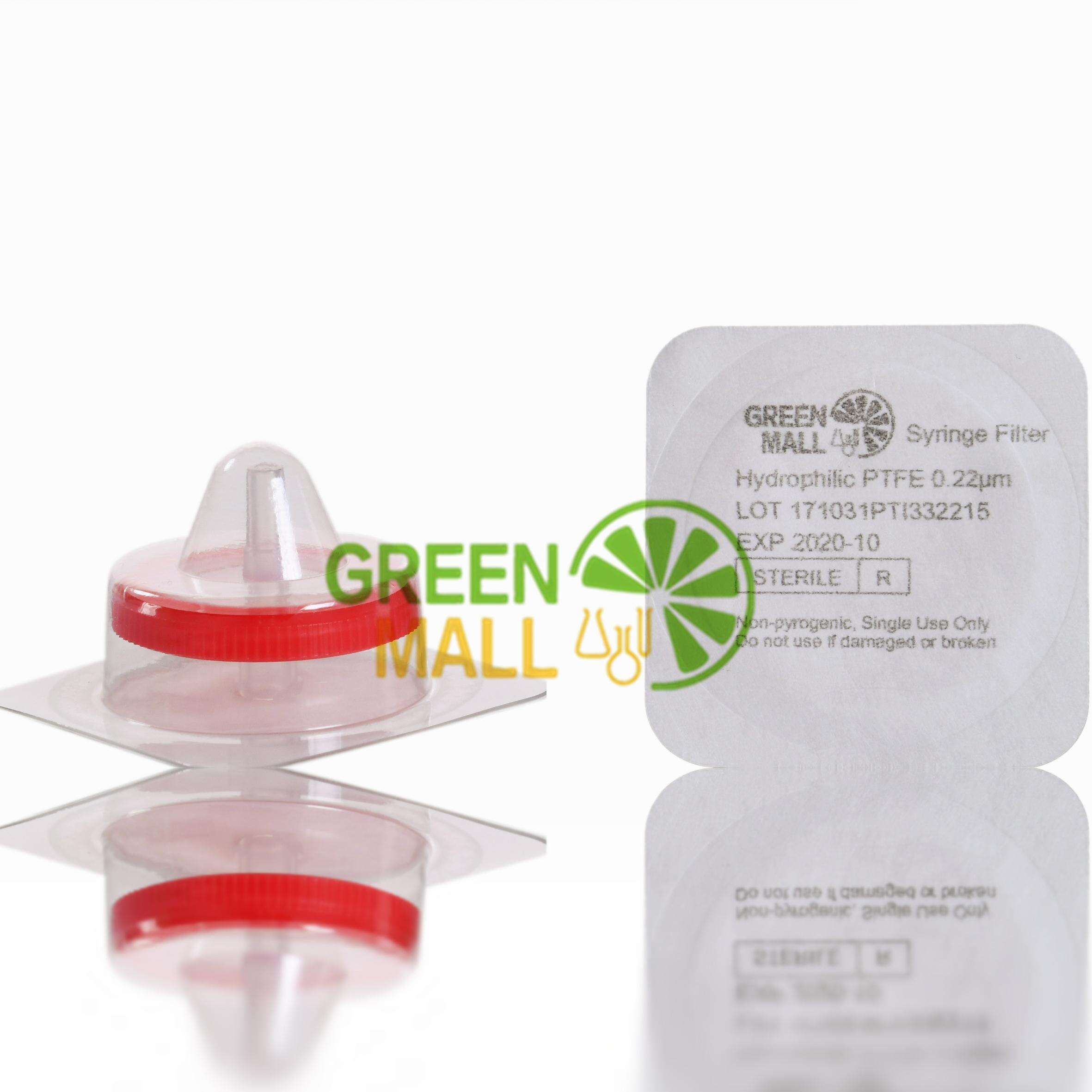
Understanding the relationship between pore size and filtration efficiency helps ensure optimal results in pharmaceutical preparations, laboratory analyses, and sterile sample processing. Different applications require specific pore sizes to achieve the desired level of sterility while maintaining sample integrity and preventing unwanted retention of critical components.
Understanding Pore Size Classifications for Sterile Applications
Standard Pore Size Categories
Sterile syringe filters are available in several standard pore size classifications, each designed for specific filtration requirements. The most common pore sizes include 0.1 μm, 0.22 μm, 0.45 μm, and 0.8 μm, with 0.22 μm being the most widely used for sterilizing filtration applications.
The 0.22 μm pore size represents the industry standard for sterilizing filtration because it effectively removes bacteria and other microorganisms while allowing dissolved substances to pass through. This pore size strikes an optimal balance between sterility assurance and flow rate, making it suitable for most pharmaceutical and laboratory applications.
Smaller pore sizes like 0.1 μm provide enhanced security against mycoplasma and small bacteria, while larger pore sizes such as 0.45 μm offer higher flow rates for pre-filtration or clarification purposes. Each syringe filter pore size serves distinct applications based on the specific contaminants that need removal.
Microbial Retention Capabilities
Different pore sizes demonstrate varying capabilities for microbial retention, which directly influences their suitability for sterile applications. The 0.22 μm pore size effectively retains vegetative bacteria, which typically range from 0.3 to 2.0 μm in diameter, providing reliable sterilization for most applications.
For applications requiring enhanced mycoplasma removal, 0.1 μm pore sizes offer superior protection since mycoplasma can be as small as 0.1 to 0.3 μm. This smaller pore size ensures comprehensive removal of these challenging contaminants while maintaining adequate flow characteristics for practical use.
Understanding the size distribution of target contaminants helps determine the minimum pore size required for effective retention. The syringe filter selection should account for the smallest particles that must be removed while considering the impact on filtration speed and sample recovery.
Application-Specific Pore Size Selection Criteria
Pharmaceutical Sample Preparation
Pharmaceutical applications require careful consideration of pore size selection based on the specific nature of the sample and intended analysis. For drug substance solutions and injectable preparations, 0.22 μm syringe filters provide the standard level of sterilization required by regulatory guidelines.
When processing heat-sensitive pharmaceutical compounds that cannot undergo thermal sterilization, the choice of syringe filter pore size becomes even more critical. The 0.22 μm option ensures effective microbial removal while preserving the integrity of thermolabile active ingredients.
For pharmaceutical quality control testing, the pore size selection must align with analytical method requirements and regulatory specifications. Some analytical procedures may specify particular pore sizes to ensure consistent and reproducible results across different testing laboratories.
Laboratory Sample Processing
Laboratory applications often involve diverse sample types that require tailored pore size selection for optimal results. Cell culture media preparation typically utilizes 0.22 μm syringe filters to ensure sterility while maintaining the nutritional integrity of the medium components.
For protein solutions and enzyme preparations, the pore size selection must consider the molecular weight and size of the target molecules to prevent unwanted retention. Larger proteins may require 0.45 μm or larger pore sizes to ensure complete recovery and maintain biological activity.
When processing samples for microbiological analysis, the syringe filter pore size should complement the analytical objective. Pre-filtration steps may use larger pore sizes for clarification, followed by final filtration through smaller pores for sterilization.
Technical Factors Influencing Pore Size Selection
Flow Rate Considerations
The relationship between pore size and flow rate significantly impacts the practical usability of syringe filters in various applications. Smaller pore sizes inherently create higher resistance to flow, resulting in slower filtration rates and potentially requiring more pressure for sample processing.
For high-volume applications or time-sensitive procedures, the balance between sterility assurance and processing speed becomes crucial. The 0.22 μm pore size often provides an optimal compromise between effective sterilization and reasonable flow rates for most applications.
When processing viscous samples or solutions with high particulate loads, larger pore sizes may be necessary for pre-filtration to prevent rapid clogging of the syringe filter. Sequential filtration using progressively smaller pore sizes can optimize both efficiency and final product quality.
Sample Compatibility and Recovery
The interaction between sample components and syringe filter pore size affects both filtration efficiency and sample recovery rates. Protein adsorption can occur when the pore size is too small relative to the protein dimensions, leading to reduced recovery and altered sample composition.
For samples containing suspended particles or aggregates, the pore size selection determines which components are retained versus passed through the filter. Understanding the size distribution of both desired and undesired components guides appropriate pore size selection.
Sample viscosity and chemical compatibility with the syringe filter membrane also influence the effectiveness of different pore sizes. Higher viscosity samples may require larger pore sizes or specialized membrane materials to achieve satisfactory flow rates and complete sample processing.
Quality Assurance and Validation Considerations
Regulatory Compliance Requirements
Regulatory guidelines provide specific recommendations for syringe filter pore sizes in pharmaceutical and medical device applications. The FDA and other regulatory bodies recognize 0.22 μm as the standard for sterilizing filtration, establishing this as the benchmark for most sterile applications.
Validation studies must demonstrate that the selected pore size effectively removes target contaminants while maintaining sample integrity. These studies typically include challenge testing with appropriate microorganisms to confirm the sterilization capability of the chosen syringe filter.
Documentation requirements for regulatory compliance include justification for pore size selection based on application-specific needs and validation data. The selection rationale should clearly connect the chosen pore size to the intended use and required level of contamination control.
Performance Testing and Verification
Routine testing protocols should verify that the selected pore size continues to meet performance requirements throughout the product lifecycle. This includes monitoring filtration efficiency, flow rate consistency, and sample recovery rates under actual use conditions.
Comparative studies between different pore sizes can provide valuable data for optimizing syringe filter selection for specific applications. These studies should evaluate both immediate performance metrics and long-term stability of filtered samples.
Quality control procedures should include verification that the actual pore size matches the specified rating and that the syringe filter performs consistently across different lot numbers and storage conditions. Regular testing ensures continued reliability of the filtration process.
FAQ
What is the most common pore size for sterile syringe filters?
The most common pore size for sterile syringe filters is 0.22 μm, which represents the industry standard for sterilizing filtration. This pore size effectively removes bacteria and other microorganisms while allowing dissolved substances to pass through, making it suitable for most pharmaceutical and laboratory applications requiring sterile filtration.
How do I determine if I need a smaller pore size than 0.22 μm?
You may need a smaller pore size like 0.1 μm if your application requires removal of mycoplasma or other very small contaminants, or if you are working with particularly sensitive biological samples where enhanced sterility assurance is critical. Consider your specific contamination risks and regulatory requirements when making this determination.
Can I use a larger pore size like 0.45 μm for sterile applications?
A 0.45 μm pore size is generally not recommended as the sole filtration step for sterile applications because it may not effectively remove all bacteria. However, it can be used for pre-filtration or clarification purposes when followed by final sterilization through a 0.22 μm syringe filter.
Will a smaller pore size always provide better sterility?
While smaller pore sizes can provide enhanced retention of very small contaminants, they also result in slower flow rates and may cause unwanted retention of larger molecules in your sample. The optimal pore size balances sterility requirements with practical considerations like flow rate and sample recovery for your specific application.