
 EN
EN



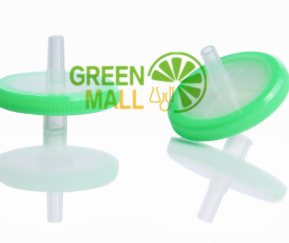
The pore size of a syringe filter fundamentally determines what particles and contaminants will be removed from your sample, making it the single most critical specification to understand when selecting filtration equipment. Whether you're working with biological samples, pharmaceutical preparations, or analytical chemistry applications, the wrong pore size selection can compromise your entire experiment or quality control process. Understanding how different pore sizes interact with various particle types enables laboratory professionals to achieve consistent, reliable filtration outcomes that meet their specific analytical requirements.
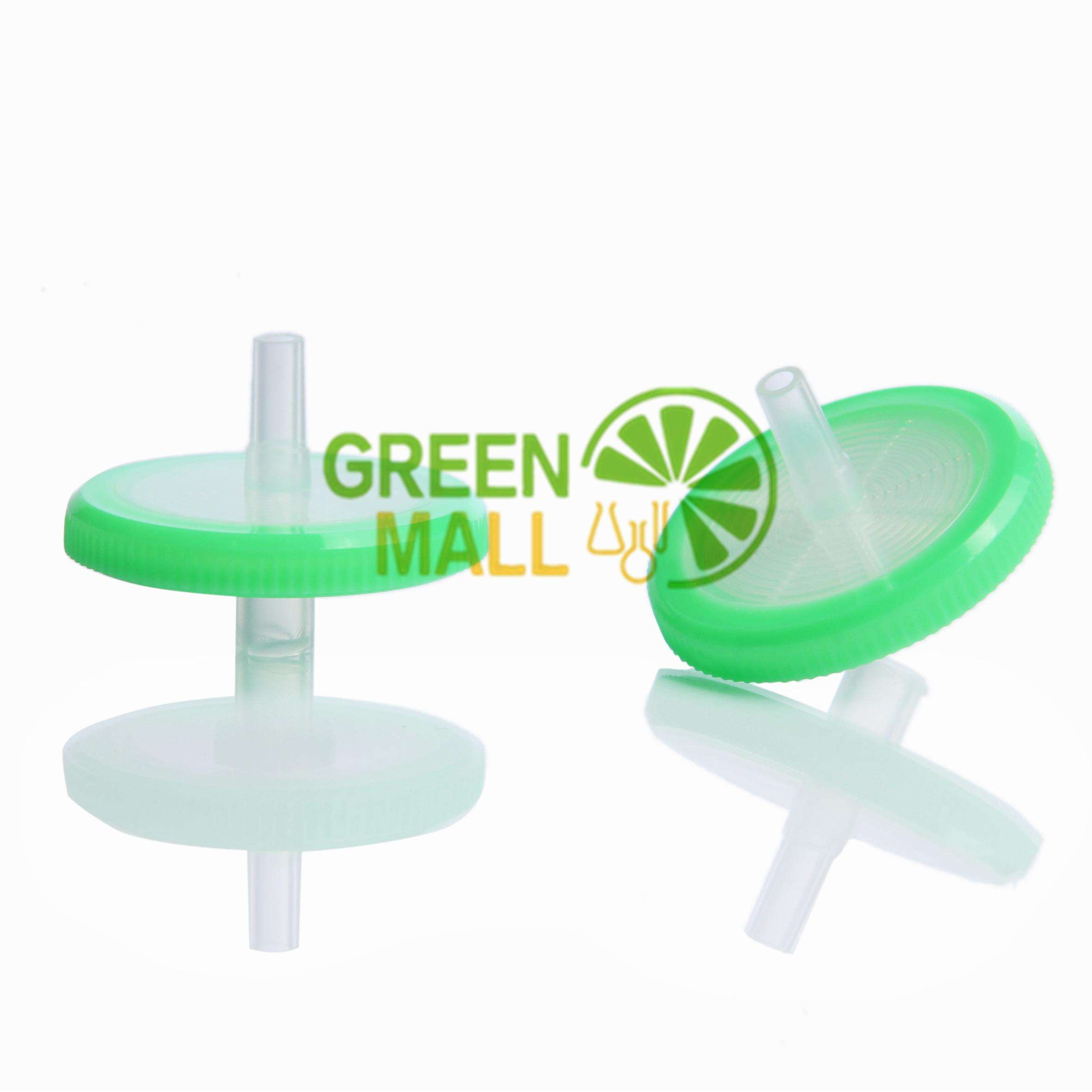
The relationship between pore size and filtration effectiveness operates on precise scientific principles that directly influence particle retention, flow rates, and sample recovery. Different applications require different approaches to pore size selection, with sterilization processes typically demanding smaller pores than clarification procedures. This comprehensive analysis explores how various pore sizes perform across different sample types, helping you make informed decisions that optimize both filtration efficiency and experimental accuracy in your specific laboratory environment.
Understanding Pore Size Classification and Particle Retention Mechanisms
Standard Pore Size Categories and Their Applications
Syringe filter pore sizes are typically classified into distinct categories that serve specific filtration purposes in laboratory settings. The most common pore sizes range from 0.1 microns for sterile filtration to 5.0 microns for coarse particle removal, with each size targeting different particle populations in your samples. Understanding these classifications helps laboratory professionals select the appropriate syringe filter for their specific application requirements without over-filtering or under-filtering their samples.
The 0.22-micron pore size represents the industry standard for sterilization applications, effectively removing bacteria, yeast, and other microorganisms while allowing dissolved molecules to pass through unimpeded. This pore size strikes an optimal balance between particle retention and flow rate for most biological and pharmaceutical applications. Meanwhile, 0.45-micron filters serve as excellent clarification tools for removing larger particles and cellular debris without the flow restriction associated with smaller pore sizes.
Larger pore sizes such as 1.0, 3.0, and 5.0 microns are primarily used for pre-filtration and sample preparation tasks where the goal is removing visible particulates rather than achieving sterility. These larger pore sizes allow for faster flow rates and reduced pressure requirements while still providing effective clarification for samples containing substantial amounts of suspended matter.
Particle Retention Mechanisms in Different Pore Size Ranges
The mechanism by which a syringe filter retains particles varies significantly depending on the relationship between particle size and pore size, creating different filtration behaviors across the size spectrum. Particles larger than the pore size are retained through direct physical screening, where the membrane structure prevents passage based purely on size exclusion principles. This straightforward mechanism provides predictable retention for particles significantly larger than the pore diameter.
However, particles approaching the pore size create more complex retention scenarios involving depth filtration and adsorptive mechanisms. In these cases, particles may be captured within the membrane structure rather than simply blocked at the surface, leading to higher retention efficiency than pure size exclusion would predict. This depth filtration effect becomes particularly important when filtering samples containing particles in the 0.1 to 1.0-micron range.
Electrostatic interactions and molecular adsorption also influence particle retention, especially for smaller particles and dissolved substances. These mechanisms can cause retention of particles smaller than the nominal pore size, while also potentially affecting the passage of target analytes through charge interactions or hydrophobic binding effects that vary with membrane material and sample composition.
Impact of Pore Size Selection on Sample Quality and Recovery
Effect on Analyte Recovery and Sample Integrity
Pore size selection directly influences the recovery of target analytes from filtered samples, with smaller pores potentially causing loss of larger molecules or particle-bound analytes that you intend to retain. When working with protein solutions, nucleic acid extracts, or other biological samples, overly aggressive filtration with small pore sizes can remove or damage the very compounds you're trying to analyze. This is particularly critical in pharmaceutical analysis where quantitative recovery of active ingredients is essential for accurate potency testing.
The membrane material interacts with pore size to create different retention behaviors for specific molecular classes, making material selection as important as pore size selection for maintaining sample integrity. Nylon membranes with 0.22-micron pores may retain different protein fractions compared to PTFE membranes of the same pore size due to differences in surface chemistry and protein binding characteristics.
Sample recovery optimization often requires balancing particle removal against analyte loss, particularly when dealing with samples containing both target compounds and interfering particles. In these situations, using a slightly larger pore size may provide better overall analytical results even if some particles remain in the filtrate, as the improved analyte recovery outweighs the reduced filtration efficiency.
Flow Rate and Filtration Time Considerations
The relationship between pore size and flow rate follows predictable patterns that significantly impact laboratory workflow and sample processing times. Smaller pore sizes create greater flow resistance, requiring higher pressures and longer filtration times to process equivalent sample volumes. A 0.1-micron syringe filter may require ten times the pressure and processing time compared to a 0.45-micron filter when processing the same sample volume.
Membrane loading effects become more pronounced with smaller pore sizes, as the reduced pore volume fills more quickly with retained particles, leading to progressive flow rate reduction during filtration. This loading effect can cause incomplete sample processing or require multiple filter changes during a single analysis, increasing both time and material costs for routine laboratory procedures.
Temperature and viscosity interactions with pore size selection become critical factors in applications involving viscous samples or temperature-sensitive materials. Higher viscosity samples require larger pore sizes or elevated temperatures to maintain reasonable flow rates, while temperature-sensitive samples may require room temperature processing that further reduces flow rates through smaller pores.
Application-Specific Pore Size Selection Guidelines
Biological and Pharmaceutical Applications
Biological sample preparation requires careful pore size selection to balance sterility requirements against sample integrity preservation, with most applications falling into predictable pore size categories based on sample type and analysis goals. Cell culture media and buffer solutions typically require 0.22-micron filtration to ensure sterility while maintaining the ionic composition and pH critical for biological activity. Protein solutions may require larger pore sizes to prevent aggregation and loss of biological activity during filtration.
Pharmaceutical quality control applications demand specific pore sizes based on regulatory requirements and analytical method specifications, with USP and EP guidelines providing clear direction for different test categories. Sterility testing protocols typically specify 0.22-micron syringe filter membranes for sample preparation, while dissolution testing may require different pore sizes depending on the formulation characteristics and particle size distribution of the test samples.
Vaccine and biotechnology applications present unique challenges where pore size selection must consider both particle removal and preservation of complex biological structures such as virus particles, protein aggregates, or lipid nanoparticles. These applications often require specialized pore size selection protocols that account for the specific size distribution and stability characteristics of the biological products being processed.
Analytical Chemistry and Chromatography Sample Preparation
HPLC and UHPLC sample preparation relies heavily on appropriate pore size selection to prevent column damage while maintaining analytical accuracy and precision. Most chromatographic applications benefit from 0.22 or 0.45-micron filtration to remove particles that could damage column frits or create pressure problems during analysis. The choice between these two pore sizes often depends on sample complexity and the presence of fine particulates that might pass through larger pores.
Ion chromatography applications may require different pore size considerations due to the sensitivity of ionic analysis to membrane extractables and the potential for ion exchange interactions with certain membrane materials. In these applications, the pore size selection must account for both particle removal efficiency and the potential for membrane-sample interactions that could affect analytical results.
Environmental and food analysis applications often involve complex sample matrices with widely varying particle size distributions, requiring tailored pore size selection based on specific analyte targets and matrix interference patterns. Water analysis may require different pore sizes for different contaminant classes, while food analysis applications must consider both particle removal and matrix effect mitigation when selecting appropriate filtration conditions.
Optimizing Filtration Performance Through Pore Size Management
Pre-filtration Strategies and Sequential Filtration
Sequential filtration using progressively smaller pore sizes can significantly improve overall filtration performance while extending the life of expensive final filters and maintaining high sample recovery rates. This approach begins with coarse filtration using 5.0 or 3.0-micron pore sizes to remove large particles and debris, followed by intermediate filtration with 1.0 or 0.45-micron filters, and concluding with final filtration through 0.22 or 0.1-micron membranes as required for the specific application.
Pre-filtration strategies become particularly valuable when processing samples with high particle loads or unknown contamination levels, as they prevent rapid clogging of expensive small-pore filters while ensuring adequate final filtration quality. The economic benefits of this approach often justify the additional time and materials required, especially in high-throughput laboratory environments where filter costs represent a significant operational expense.
Membrane compatibility between sequential filtration steps requires careful consideration to prevent chemical interactions or extractable contamination that could affect final analytical results. Using the same membrane chemistry throughout the sequential filtration process typically provides the most consistent results, though specific applications may benefit from different membrane materials at different filtration stages.
Troubleshooting Common Pore Size Selection Issues
Flow rate problems during syringe filter use often indicate inappropriate pore size selection for the specific sample characteristics, with solutions typically involving either larger pore sizes or pre-filtration strategies to reduce membrane loading. Slow flow rates may indicate excessive particle loading on small pore filters, while unexpectedly fast flow rates might suggest membrane damage or inappropriate pore size selection for the intended application.
Sample loss or altered analytical results following filtration frequently result from pore size selections that are either too aggressive or insufficient for the specific sample requirements. Over-filtration with excessively small pores can remove target analytes, while under-filtration with oversized pores may allow interfering particles to remain in the sample, both scenarios compromising analytical accuracy and precision.
Membrane breakthrough or inadequate particle retention typically indicates pore size selection that is too large for the intended application or membrane degradation due to chemical incompatibility. These issues require reassessment of both pore size requirements and membrane material compatibility with the specific sample matrix and processing conditions.
FAQ
What pore size should I use for HPLC sample preparation?
For most HPLC applications, 0.22-micron or 0.45-micron syringe filters provide optimal particle removal while maintaining good flow rates. Choose 0.22-micron for samples with fine particulates or when maximum particle removal is critical, and 0.45-micron for routine clarification with faster processing times. The membrane material should be compatible with your mobile phase and sample solvents.
Can I achieve sterile filtration with pore sizes larger than 0.22 microns?
No, 0.22-micron pore size is the established standard for sterile filtration because it effectively removes bacteria and other microorganisms. Larger pore sizes like 0.45 microns may allow some bacteria to pass through, making them unsuitable for applications requiring sterility. Only use 0.1-micron filters if your application specifically requires removal of smaller organisms or enhanced sterility assurance.
How do I prevent sample loss when filtering protein solutions?
Prevent protein loss by using low protein-binding membrane materials like PTFE or PES, and consider using slightly larger pore sizes like 0.45 microns instead of 0.22 microns if sterility isn't required. Pre-wet the membrane with buffer, avoid applying excessive pressure, and consider pre-filtration if the sample contains large particles that might cause membrane clogging and protein retention.
What happens if I use the wrong pore size for my application?
Using pore sizes that are too small can cause slow filtration, sample loss, or incomplete processing, while pore sizes that are too large may allow unwanted particles to pass through, compromising analytical results or sterility requirements. Wrong pore size selection can also lead to membrane clogging, breakthrough, or altered sample composition that affects downstream analysis accuracy and reproducibility.