
 EN
EN



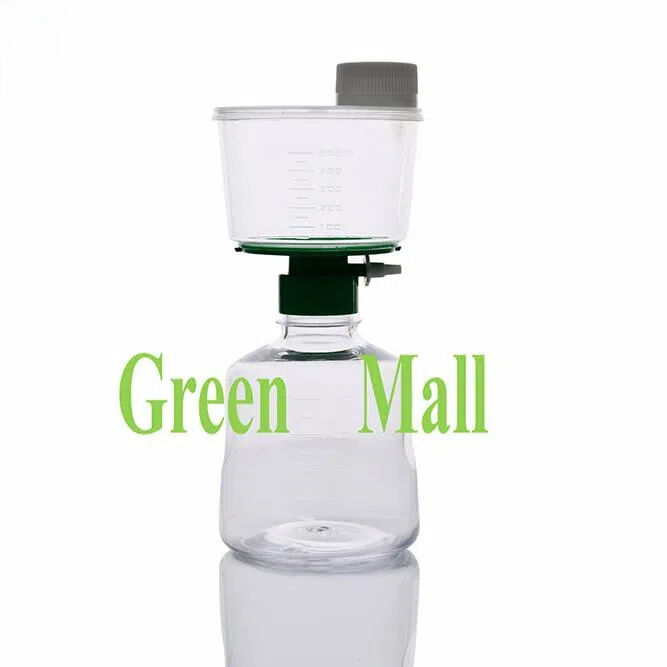
Selecting the appropriate filtration solution for your laboratory or industrial application requires careful consideration of multiple factors that directly impact performance and efficiency. A bottle top filter serves as a critical component in maintaining sample integrity and ensuring accurate results across diverse scientific and industrial processes. Understanding the key parameters that influence filter selection enables professionals to make informed decisions that optimize their workflow while maintaining the highest standards of filtration quality.
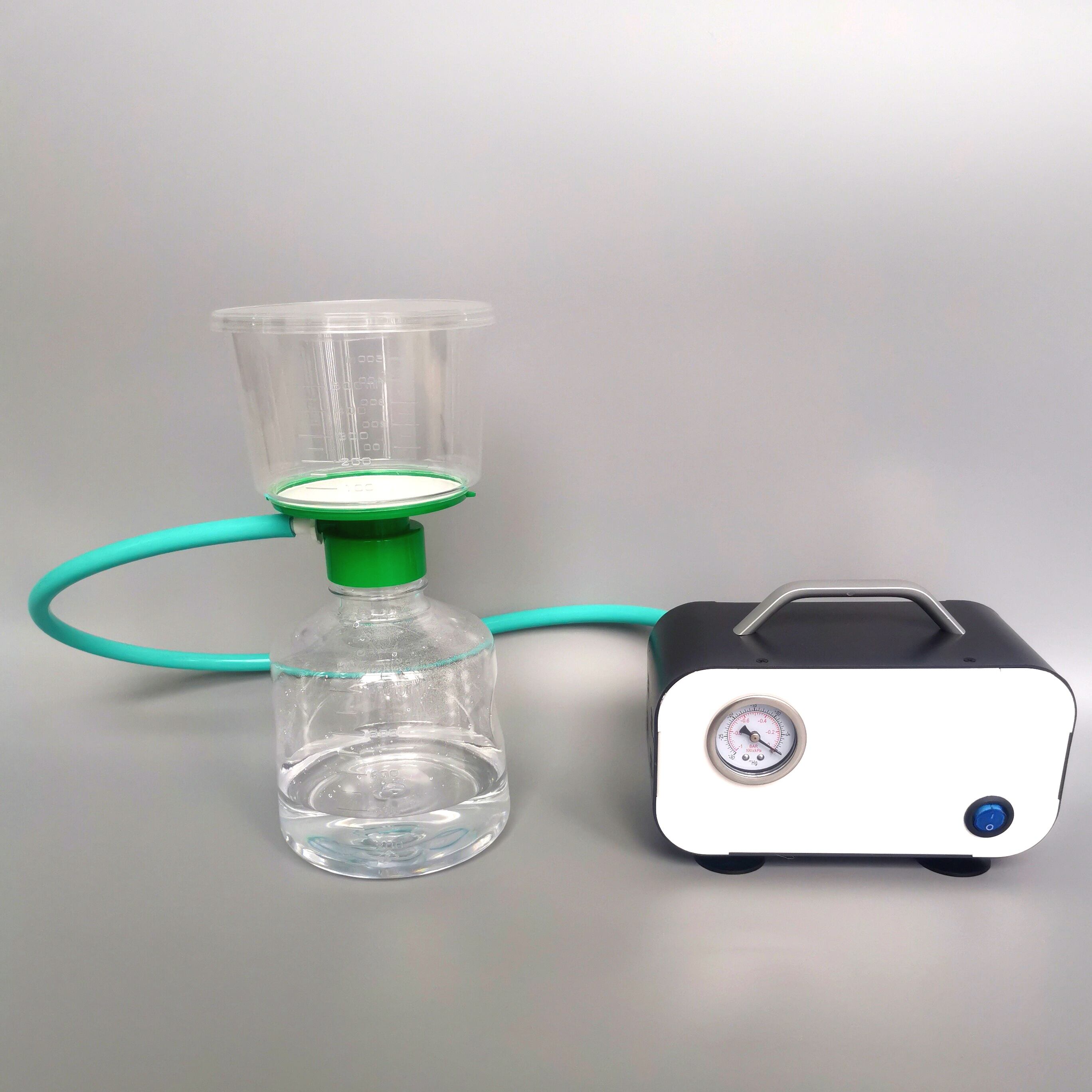
Understanding Filtration Fundamentals
Membrane Materials and Their Applications
The choice of membrane material represents one of the most crucial decisions when selecting a bottle top filter system. Different membrane compositions offer varying degrees of chemical compatibility, temperature resistance, and filtration efficiency. Polyethersulfone membranes provide excellent flow rates and low protein binding characteristics, making them ideal for biological sample processing. Meanwhile, nylon membranes demonstrate superior chemical resistance and are particularly suitable for organic solvent filtration applications.
Cellulose acetate membranes offer cost-effective solutions for aqueous sample filtration, though they exhibit limited solvent compatibility compared to synthetic alternatives. The selection process must consider the specific chemical composition of your samples to ensure membrane integrity throughout the filtration process. Advanced bottle top filter designs incorporate specialized membrane treatments that enhance performance characteristics while maintaining structural stability under demanding operating conditions.
Pore Size Selection Criteria
Pore size determination directly influences filtration efficiency and the quality of your filtered samples. Standard pore sizes ranging from 0.1 to 0.45 micrometers serve different filtration objectives within laboratory and industrial environments. Sterilizing-grade filters typically utilize 0.22-micrometer pores to effectively remove bacteria and other microorganisms while maintaining sample composition integrity.
Larger pore sizes facilitate rapid filtration of particulate matter and are commonly employed in sample clarification processes. Understanding the relationship between pore size and flow rate enables users to balance filtration speed with the desired level of particle removal for optimal results.
Application-Specific Considerations
Laboratory Sample Processing Requirements
Laboratory environments demand filtration solutions that deliver consistent performance across diverse sample types and experimental protocols. Cell culture applications require sterile filtration capabilities that eliminate microbial contamination while preserving essential nutrients and growth factors. The bottle top filter design accommodates various bottle sizes and configurations, providing flexibility for different experimental scales and sample volumes.
Analytical sample preparation often involves filtration of complex matrices containing suspended particles, proteins, and other interfering substances. Buffer preparation represents another critical application where filtration quality directly impacts downstream analytical performance. Modern bottle top filter systems incorporate low-extractable components that minimize sample contamination and maintain analytical accuracy throughout extended storage periods.
Industrial Process Integration
Industrial applications frequently require filtration solutions that can handle larger volumes while maintaining consistent quality standards. Manufacturing environments benefit from bottle top filter systems that integrate seamlessly with existing process equipment and quality control protocols. Pharmaceutical manufacturing processes demand filtration solutions that comply with regulatory requirements while delivering reliable performance under varying operational conditions.
Food and beverage industries utilize specialized filtration configurations that address specific contamination risks and quality parameters. The scalability of bottle top filter systems enables process optimization from research and development stages through full-scale production implementation. Integration considerations include compatibility with automated systems and the ability to maintain sterile conditions throughout extended processing cycles.
Technical Performance Parameters
Flow Rate and Processing Efficiency
Flow rate characteristics determine processing efficiency and influence overall productivity in both laboratory and industrial settings. The relationship between membrane area, pore size, and applied pressure directly affects filtration speed and throughput capacity. Bottle top filter designs optimize these parameters to deliver maximum flow rates while maintaining filtration quality and membrane integrity.
Processing efficiency extends beyond simple flow rate measurements to encompass factors such as filter capacity, plugging resistance, and consistent performance throughout the filtration cycle. Advanced bottle top filter configurations incorporate features that enhance flow distribution and minimize pressure drop across the membrane surface. Understanding these performance characteristics enables users to select filtration systems that meet specific throughput requirements while maintaining sample quality standards.
Chemical Compatibility and Durability
Chemical compatibility assessment ensures that the bottle top filter system maintains structural integrity and performance characteristics when exposed to various solvents and sample matrices. Comprehensive compatibility charts provide guidance for selecting appropriate membrane materials and housing components based on specific chemical exposure conditions. The durability of filtration systems directly impacts operational costs and process reliability over extended use periods.
Temperature stability represents another critical parameter that influences filter selection for applications involving elevated temperatures or thermal cycling. Modern bottle top filter designs incorporate materials and construction techniques that provide enhanced durability while maintaining filtration performance under challenging operating conditions. Long-term stability testing ensures that selected filtration systems continue to meet performance specifications throughout their intended service life.
Quality Assurance and Validation
Certification Standards and Compliance
Regulatory compliance requirements vary significantly across different industries and applications, necessitating careful evaluation of certification standards when selecting bottle top filter systems. Pharmaceutical applications typically require filters that meet USP Class VI requirements and demonstrate compliance with FDA guidelines for medical device components. Laboratory applications may require ISO certification or specific quality standards that ensure consistent performance and traceability.
Documentation and validation support represent essential components of quality assurance programs that rely on filtration systems for critical process control. Comprehensive testing protocols verify filter performance characteristics and provide the documentation necessary for regulatory submissions and quality audits. The availability of detailed technical specifications and performance data enables users to implement robust validation procedures that demonstrate system suitability for intended applications.
Testing and Verification Procedures
Routine testing procedures ensure that bottle top filter systems continue to meet performance specifications throughout their operational life cycle. Integrity testing methods provide rapid assessment of membrane condition and filtration efficiency without compromising sample quality or system sterility. Regular verification procedures help identify potential performance issues before they impact critical processes or analytical results.
Performance monitoring extends beyond basic functionality testing to include assessment of extraction characteristics, particulate shedding, and long-term stability under specific use conditions. Documented testing procedures provide the foundation for quality management systems that rely on consistent filtration performance. Understanding available testing methods and their limitations enables users to implement appropriate verification procedures that support their specific quality requirements and operational objectives.
Cost-Effectiveness and Procurement Strategies
Total Cost of Ownership Analysis
Evaluating the total cost of ownership for bottle top filter systems requires consideration of multiple factors beyond initial purchase price. Operating costs include filter replacement frequency, labor requirements, and potential impacts on downstream processes or analytical methods. Higher-quality filtration systems may command premium pricing but often deliver superior performance characteristics that reduce overall operational costs through improved efficiency and reduced maintenance requirements.
Long-term cost considerations include the availability of replacement components, technical support resources, and potential obsolescence risks associated with specialized filtration systems. Standardization on compatible bottle top filter platforms can reduce inventory requirements and simplify procurement processes while maintaining operational flexibility. Volume purchasing agreements and supplier partnerships often provide cost advantages for organizations with consistent filtration requirements across multiple applications or locations.
Supplier Selection and Support Services
Supplier selection criteria should encompass technical expertise, product quality, and comprehensive support services that extend throughout the product lifecycle. Established suppliers typically offer extensive technical resources, application support, and troubleshooting assistance that can significantly impact overall system performance and user satisfaction. The availability of customization options enables suppliers to address specific application requirements that may not be adequately served by standard product offerings.
Support services include training programs, technical documentation, and responsive customer service that facilitate successful implementation and ongoing operation of bottle top filter systems. Supplier relationships that emphasize collaborative problem-solving and continuous improvement often yield superior results compared to purely transactional purchasing arrangements. Evaluating supplier capabilities and support infrastructure ensures that selected filtration solutions deliver long-term value and performance consistency.
FAQ
What factors determine the appropriate pore size for my application
Pore size selection depends on the size of particles you need to remove and the specific objectives of your filtration process. For sterilizing applications, 0.22-micrometer pores effectively remove bacteria while allowing dissolved substances to pass through. Clarification processes typically use larger pore sizes between 0.45 and 1.2 micrometers to remove particulate matter while maintaining faster flow rates. Consider your sample composition and downstream analytical requirements when determining the optimal pore size for your bottle top filter application.
How do I ensure chemical compatibility between my samples and the filter system
Chemical compatibility assessment involves reviewing detailed compatibility charts provided by filter manufacturers and considering factors such as solvent type, concentration, temperature, and contact time. Different membrane materials exhibit varying degrees of chemical resistance, with materials like PTFE offering broad solvent compatibility while cellulose-based membranes are limited to aqueous applications. When working with aggressive chemicals or mixed solvents, consult with technical specialists to ensure your bottle top filter selection provides adequate chemical resistance for your specific application requirements.
What maintenance and storage practices optimize filter performance
Proper storage conditions include maintaining filters in their original packaging until use, avoiding exposure to extreme temperatures or humidity, and preventing contamination through appropriate handling procedures. Pre-use rinsing with compatible solvents can remove potential extractable substances and optimize filtration performance. Post-use cleaning procedures depend on your specific application, but generally involve flushing with appropriate solvents to remove residual materials. Store used bottle top filter units according to manufacturer recommendations to prevent microbial growth or component degradation that could impact future performance.
How can I validate that my chosen bottle top filter meets application requirements
Validation procedures should include integrity testing to verify membrane condition, extraction studies to assess potential sample contamination, and performance verification under actual use conditions. Document flow rate characteristics, filtration capacity, and any changes in sample composition that occur during filtration. Establish acceptance criteria based on your specific quality requirements and implement routine monitoring procedures to ensure consistent performance. Many bottle top filter manufacturers provide validation support packages that include test protocols and documentation templates to facilitate compliance with regulatory requirements and quality management systems.