
 EN
EN



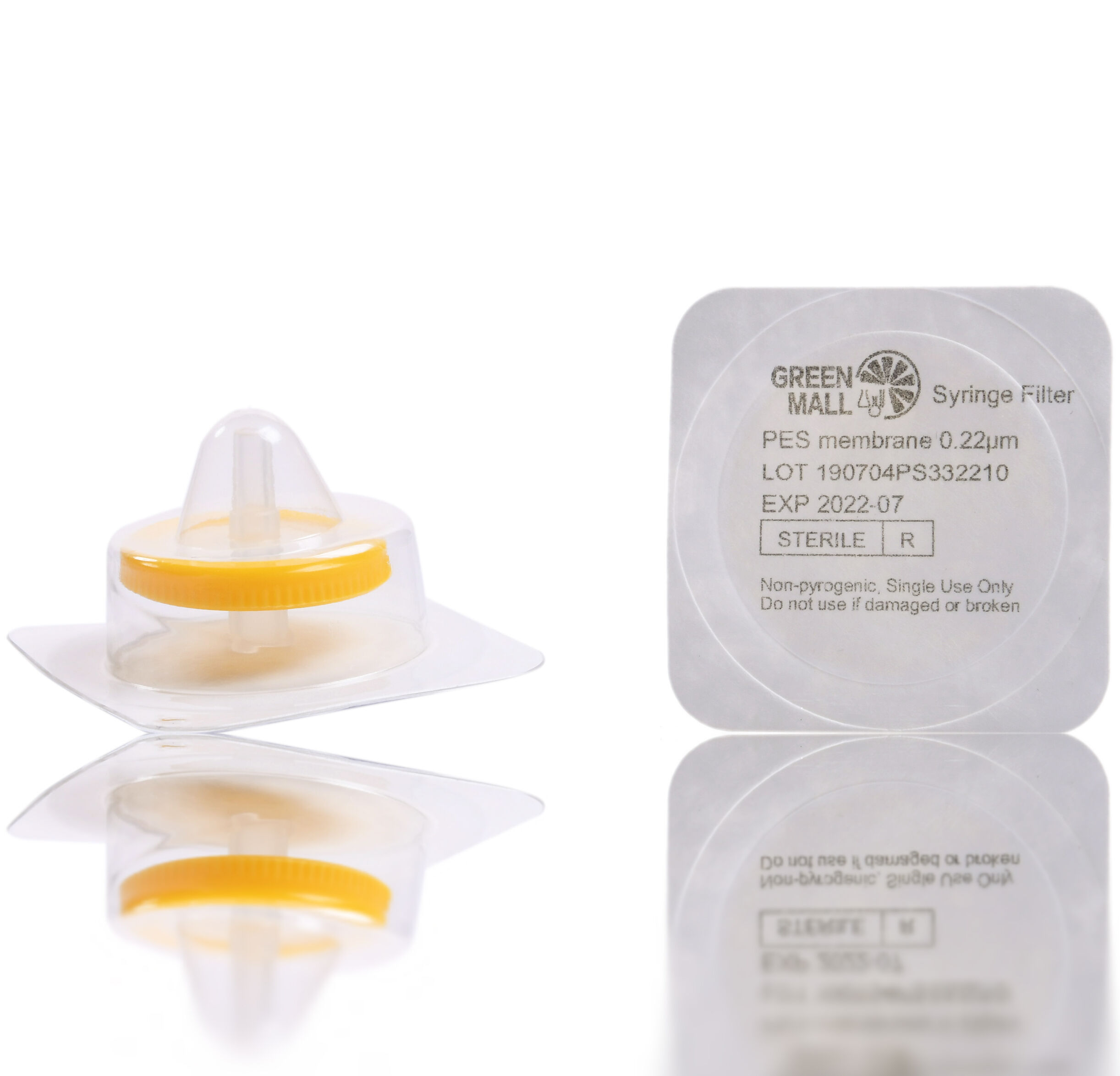
Modern analytical laboratories face increasing demands for efficiency, precision, and contamination-free sample preparation. Traditional manual filtration methods, including the use of individual syringe filter units, often create bottlenecks in high-throughput workflows. Automated bottle top filtration systems have emerged as a transformative solution, offering significant operational advantages over conventional approaches. These systems integrate seamlessly into existing laboratory protocols while delivering enhanced productivity, reduced contamination risks, and improved reproducibility across diverse analytical applications.
Enhanced Throughput and Workflow Efficiency
Elimination of Manual Bottlenecks
Automated bottle top filtration systems fundamentally transform laboratory workflows by eliminating the time-consuming manual processes associated with traditional syringe filter operations. Laboratory technicians no longer need to individually attach, fill, and operate multiple syringe filter units for each sample. Instead, automated systems can process entire batches simultaneously, dramatically reducing hands-on time requirements. This transformation allows skilled personnel to focus on higher-value analytical tasks while the system handles routine filtration operations.
The scalability of automated systems becomes particularly evident in high-volume laboratories processing hundreds of samples daily. Where manual syringe filter processing might require several hours of dedicated technician time, automated systems can complete equivalent workloads in a fraction of the time. This efficiency gain translates directly into increased laboratory capacity without proportional increases in staffing requirements, making it an economically attractive solution for growing analytical operations.
Consistent Processing Speed
Unlike manual operations that vary based on technician skill and fatigue levels, automated bottle top filtration maintains consistent processing speeds throughout extended operation periods. The system operates at predetermined flow rates and pressures, ensuring uniform filtration times regardless of batch size or operator experience. This consistency proves crucial for laboratories with strict turnaround time requirements or those operating under regulatory compliance frameworks.
Advanced automated systems incorporate intelligent flow control mechanisms that adjust filtration parameters based on sample viscosity and membrane characteristics. This adaptive capability ensures optimal processing speeds while maintaining filtration quality, something that would be challenging to achieve consistently with manual syringe filter operations. The result is predictable scheduling and improved laboratory resource allocation.
Superior Contamination Control
Reduced Human Contact Points
Contamination control represents one of the most critical advantages of automated bottle top filtration systems. Traditional syringe filter methods involve multiple manual handling steps, each presenting potential contamination risks. Automated systems minimize these risks by reducing human contact points throughout the filtration process. Once samples are loaded into the system, filtration proceeds without additional manual intervention, significantly reducing the likelihood of introducing external contaminants.
The enclosed nature of automated systems provides an additional barrier against environmental contamination. Unlike open syringe filter operations that expose samples to laboratory air and potential particulate contamination, automated systems maintain sample integrity within controlled environments. This protection proves especially valuable when processing sensitive samples for trace analysis or when working with volatile compounds that might be affected by atmospheric exposure.
Consistent Sterile Conditions
Maintaining sterile conditions across multiple samples becomes significantly more manageable with automated systems compared to individual syringe filter operations. Automated bottle top filtration systems can be sterilized as complete units, ensuring uniform sterile conditions for entire sample batches. This capability eliminates the variability inherent in manually sterilizing multiple syringe filter assemblies, where inconsistent sterilization procedures might compromise sample integrity.
The integrated design of automated systems allows for comprehensive cleaning and sterilization protocols that address all fluid contact surfaces simultaneously. This holistic approach to contamination control proves particularly beneficial in pharmaceutical and biotechnology applications where sample purity requirements are stringent. The system's ability to maintain validated sterile conditions throughout extended processing runs provides confidence in analytical results and regulatory compliance.
Improved Reproducibility and Data Quality
Standardized Processing Parameters
Automated bottle top filtration systems excel in delivering consistent processing conditions that enhance analytical reproducibility. Every sample undergoes identical filtration parameters including pressure, flow rate, and contact time, eliminating the variability associated with manual syringe filter techniques. This standardization proves crucial for quantitative analyses where small variations in sample preparation can significantly impact results.
The programmable nature of automated systems allows laboratories to establish and maintain validated filtration protocols for different sample types and analytical methods. These protocols can be stored and recalled consistently, ensuring that all operators follow identical procedures regardless of their individual experience levels. This capability addresses one of the significant challenges in manual syringe filter operations where technique variations between operators can introduce analytical bias.
Enhanced Sample Recovery
Sample recovery represents another critical advantage of automated systems over traditional syringe filter methods. Manual operations often result in variable sample losses due to hold-up volumes in syringes, filters, and transfer components. Automated systems optimize fluid paths and incorporate features designed to maximize sample recovery while maintaining filtration efficiency.
The precise pressure control available in automated systems enables optimization of filtration parameters for different sample matrices without compromising membrane integrity. This optimization capability allows for improved sample recovery while maintaining the filtration quality required for subsequent analytical procedures. For laboratories working with precious or limited sample volumes, this enhanced recovery can represent significant cost savings and improved analytical sensitivity.
Cost-Effectiveness and Resource Optimization
Reduced Consumable Waste
Automated bottle top filtration systems typically generate less consumable waste compared to equivalent syringe filter operations. The systems use larger-capacity filter membranes that can process multiple samples before requiring replacement, reducing per-sample consumable costs. Additionally, the precise control over filtration parameters minimizes membrane clogging and premature filter failure, extending filter life and reducing waste generation.
The bulk processing capability of automated systems allows for more efficient use of filtration media compared to individual syringe filter applications. Instead of using separate syringe filter units for each sample, automated systems can process entire batches through single filter assemblies when sample compatibility allows. This approach significantly reduces consumable costs while maintaining filtration quality and sample integrity.
Labor Cost Reduction
The labor savings achieved through automated bottle top filtration extend beyond simple time reduction. By eliminating repetitive manual tasks associated with syringe filter operations, automated systems reduce the risk of repetitive strain injuries and operator fatigue. This improvement in working conditions can lead to reduced sick leave and improved employee satisfaction, contributing to overall operational efficiency.
Skilled laboratory personnel can be redirected from routine filtration tasks to higher-value activities such as method development, data analysis, and quality assurance. This reallocation of human resources maximizes the return on investment in skilled staff while ensuring that routine operations maintain consistent quality standards through automation.
Integration with Laboratory Information Systems
Automated Data Capture
Modern automated bottle top filtration systems integrate seamlessly with laboratory information management systems, enabling automated data capture and documentation. Unlike manual syringe filter operations that rely on handwritten records, automated systems can log filtration parameters, processing times, and system performance metrics automatically. This integration reduces transcription errors and improves data traceability for regulatory compliance.
The digital documentation capabilities of automated systems support comprehensive batch records that include all relevant processing parameters and system performance indicators. This level of documentation proves invaluable for troubleshooting analytical issues and maintaining regulatory compliance in validated laboratory environments. The automated record-keeping also facilitates trend analysis and continuous process improvement initiatives.
Real-Time Process Monitoring
Automated systems provide real-time monitoring capabilities that are impossible to achieve with manual syringe filter operations. Operators can monitor filtration progress, pressure differentials, and flow rates continuously throughout the process. This monitoring capability enables immediate detection of filtration issues such as membrane clogging or system malfunctions, allowing for prompt corrective action.
The process monitoring data can be used to optimize filtration parameters for different sample types and to predict maintenance requirements based on system performance trends. This predictive capability helps prevent unexpected downtime and ensures consistent system performance over extended operation periods.
Scalability and Flexibility
Adaptable to Varying Sample Volumes
Automated bottle top filtration systems demonstrate superior scalability compared to manual syringe filter approaches. The systems can be configured to handle varying sample volumes efficiently, from small research batches to large-scale production runs. This flexibility eliminates the need for multiple filtration approaches as laboratory throughput requirements change over time.
The modular design of many automated systems allows for capacity expansion without complete system replacement. Additional filtration modules can be integrated to increase throughput, while software updates can add new capabilities and improve performance. This scalability protects laboratory investments while accommodating growth and changing analytical requirements.
Multi-Application Compatibility
Unlike syringe filter operations that may require different equipment configurations for various applications, automated bottle top filtration systems can often accommodate multiple sample types and analytical methods within a single platform. The programmable nature of these systems allows for method-specific protocols that optimize filtration parameters for different sample matrices and analytical requirements.
This multi-application compatibility reduces the need for dedicated filtration equipment for specific analytical methods, improving laboratory space utilization and reducing capital equipment costs. The ability to switch between applications quickly and efficiently makes automated systems particularly attractive for laboratories handling diverse sample types and analytical methods.
FAQ
How do automated bottle top filtration systems compare to manual syringe filter methods in terms of throughput
Automated bottle top filtration systems typically provide 3-5 times higher throughput compared to manual syringe filter operations. While manual methods require individual attention for each sample, automated systems can process multiple samples simultaneously with minimal operator intervention. This efficiency gain becomes more pronounced with larger sample batches, where automated systems can complete in hours what might take days with manual syringe filter approaches.
What types of samples are best suited for automated bottle top filtration systems
Automated systems excel with aqueous and organic solvent-based samples commonly found in pharmaceutical, environmental, and food analysis applications. They are particularly beneficial for high-volume routine analyses, samples requiring consistent processing conditions, and applications where contamination control is critical. The systems work well with samples that have similar filtration requirements and can be processed using compatible membrane materials and pore sizes.
How do automated systems ensure consistent filtration quality across different operators
Automated bottle top filtration systems eliminate operator-dependent variables by maintaining consistent pressure, flow rate, and processing time for each sample. The programmable protocols ensure that all samples receive identical treatment regardless of who operates the system. Built-in quality controls monitor system performance and alert operators to any deviations from established parameters, maintaining consistent filtration quality throughout extended operation periods.
What maintenance requirements should laboratories expect with automated filtration systems
Routine maintenance typically includes daily cleaning procedures, periodic calibration of pressure and flow sensors, and replacement of consumable components such as tubing and seals. Most systems feature automated cleaning cycles and diagnostic routines that simplify maintenance procedures. Preventive maintenance schedules are usually based on throughput volume or time intervals, with most systems requiring comprehensive service every 6-12 months depending on usage intensity and sample types processed.
Table of Contents
- Enhanced Throughput and Workflow Efficiency
- Superior Contamination Control
- Improved Reproducibility and Data Quality
- Cost-Effectiveness and Resource Optimization
- Integration with Laboratory Information Systems
- Scalability and Flexibility
-
FAQ
- How do automated bottle top filtration systems compare to manual syringe filter methods in terms of throughput
- What types of samples are best suited for automated bottle top filtration systems
- How do automated systems ensure consistent filtration quality across different operators
- What maintenance requirements should laboratories expect with automated filtration systems