
 EN
EN



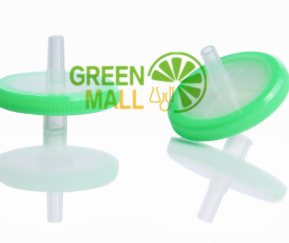
Laboratory professionals working with liquid chromatography, sample preparation, and analytical testing understand the critical importance of proper filtration. A syringe filter serves as an essential tool for removing particulates, clarifying solutions, and protecting sensitive analytical instruments from contamination. The selection process requires careful evaluation of multiple factors to ensure optimal performance and reliable results in your specific application.
Understanding the diverse range of syringe filter options available in today's market can significantly impact your analytical workflow efficiency and data quality. From membrane material composition to pore size specifications, each characteristic plays a vital role in determining compatibility with your samples and achieving desired filtration outcomes. This comprehensive guide explores the fundamental considerations that will help you make informed decisions when selecting the most appropriate syringe filter for your laboratory needs.
Membrane Material Selection and Chemical Compatibility
Hydrophilic Membrane Options
Hydrophilic membranes represent the most widely used category of syringe filter materials in analytical laboratories. These water-loving surfaces demonstrate excellent wetting properties with aqueous solutions, making them ideal for HPLC sample preparation and biological fluid analysis. Polyethersulfone (PES) membranes offer exceptional chemical compatibility with a broad range of solvents, while maintaining low protein binding characteristics essential for pharmaceutical applications.
Nylon membranes provide superior mechanical strength and excellent compatibility with both aqueous and organic solvents, making them versatile choices for diverse analytical workflows. The inherent hydrophilic nature of these materials ensures rapid wetting and consistent flow rates, particularly important when processing large sample volumes or working under time constraints.
Cellulose acetate membranes deliver outstanding performance for protein-based samples due to their naturally hydrophilic surface and low extractable levels. These membranes demonstrate exceptional clarity for spectroscopic applications and maintain structural integrity across a wide pH range, making them suitable for various biochemical analyses.
Hydrophobic Membrane Applications
Hydrophobic membranes excel in applications requiring solvent filtration, gas sterilization, or air venting processes. Polytetrafluoroethylene (PTFE) membranes offer unmatched chemical resistance and thermal stability, making them indispensable for aggressive solvent systems and high-temperature applications. The inherently hydrophobic nature prevents aqueous breakthrough while allowing organic solvents to pass freely.
Polypropylene membranes provide excellent compatibility with strong acids, bases, and organic solvents at a cost-effective price point. These membranes demonstrate superior performance in applications where low extractables and high chemical resistance are paramount, particularly in environmental analysis and petrochemical testing.
Pore Size Specifications and Filtration Requirements
Submicron Filtration Capabilities
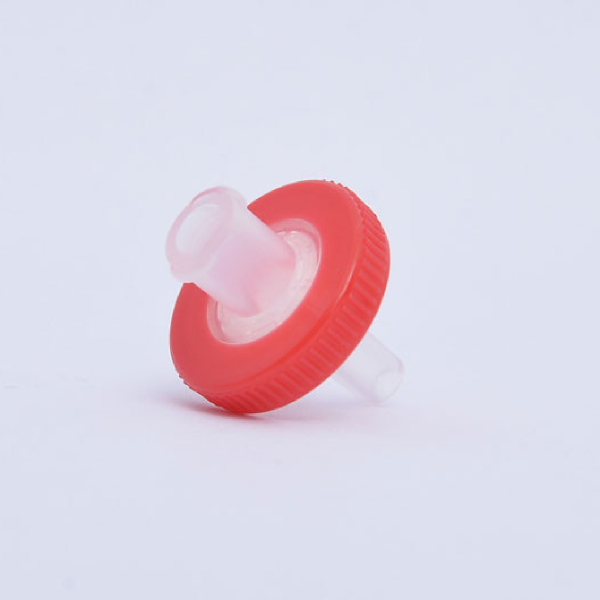
Selecting the appropriate pore size for your syringe filter directly impacts filtration efficiency and sample integrity. Submicron pore sizes, typically ranging from 0.1 to 0.45 micrometers, provide sterile filtration capabilities essential for microbiological applications and cell culture media preparation. These fine pore sizes effectively remove bacteria and larger particles while maintaining solution clarity.
The 0.22-micrometer pore size represents the gold standard for sterilizing filtration in pharmaceutical and biotechnology applications. This specification ensures removal of vegetative bacteria and most fungi while maintaining excellent flow rates for routine sample processing. When working with heat-sensitive compounds or biological samples, this pore size provides reliable sterility without compromising sample integrity.
For applications requiring maximum particulate removal, 0.1-micrometer syringe filter options deliver enhanced security against microbial contamination. These ultra-fine filters prove particularly valuable in parenteral drug preparation and critical analytical procedures where absolute sterility is non-negotiable.
Macrofiltration and Clarification Applications
Larger pore sizes ranging from 0.8 to 5.0 micrometers serve different analytical purposes, primarily focusing on sample clarification and protection of downstream analytical equipment. These syringe filter options effectively remove visible particulates and precipitates without significantly altering sample composition or concentration.
The 0.45-micrometer pore size offers an optimal balance between particle removal and flow rate, making it suitable for routine HPLC sample preparation and general analytical filtration. This specification effectively removes most particulates that could damage analytical columns or interfere with detector performance while maintaining reasonable processing times.
Flow Rate Characteristics and Processing Efficiency
Membrane Area and Throughput Considerations
The effective filtration area of a syringe filter directly correlates with processing capacity and flow rate performance. Standard 13mm diameter filters provide adequate surface area for most routine applications, while 25mm options offer increased throughput for larger sample volumes or viscous solutions. Understanding this relationship helps optimize laboratory workflow efficiency and reduces processing time.
Membrane thickness and porosity structure significantly influence flow characteristics and filtration capacity. Asymmetric membrane structures, featuring gradient porosity from feed to filtrate side, maximize dirt-holding capacity while maintaining consistent flow rates throughout the filtration process. This design approach extends filter life and improves overall cost-effectiveness.
When processing multiple samples with similar characteristics, selecting a syringe filter with appropriate flow rate specifications ensures consistent processing times and reproducible results. Higher flow rates reduce labor requirements and increase laboratory productivity, particularly important in high-throughput analytical environments.
Viscosity and Sample-Specific Performance
Sample viscosity plays a crucial role in determining optimal syringe filter selection and expected performance characteristics. High-viscosity samples, such as protein solutions or polymer samples, require membranes with larger effective pore areas and optimized surface chemistry to maintain reasonable flow rates and prevent premature clogging.
Temperature effects on sample viscosity must be considered when selecting appropriate filtration conditions. Warming viscous samples to room temperature or slightly above can significantly improve flow rates and reduce required pressure, extending syringe filter life and improving overall efficiency.
Housing Materials and Sample Compatibility
Polypropylene Housing Advantages
Polypropylene housing materials offer excellent chemical resistance and low extractable levels, making them suitable for most analytical applications. These housings demonstrate superior compatibility with organic solvents and acidic solutions while maintaining structural integrity under typical operating pressures. The inert nature of polypropylene minimizes potential sample contamination and interference with analytical results.
The lightweight construction and cost-effective manufacturing of polypropylene housings make them ideal for routine laboratory use and high-volume applications. These housings provide reliable sealing performance and consistent filtration characteristics across multiple uses, when appropriate for the specific application.
Specialized Housing Materials
Certain applications require specialized housing materials to ensure complete sample compatibility and analytical accuracy. Glass-filled polypropylene housings offer enhanced mechanical strength for high-pressure applications while maintaining chemical inertness. These options prove particularly valuable when working with aggressive solvents or elevated temperature conditions.
Some syringe filter designs incorporate specialized sealing materials and connection fittings to accommodate specific analytical instruments or sample handling requirements. Understanding these compatibility factors ensures seamless integration into existing laboratory workflows and prevents potential leakage or contamination issues.
Quality Standards and Validation Requirements
Pharmaceutical and Biotechnology Applications
Pharmaceutical laboratories require syringe filter products that meet stringent quality standards and provide comprehensive validation documentation. USP Class VI certification ensures biocompatibility for pharmaceutical applications, while ISO manufacturing standards guarantee consistent product quality and performance characteristics. These certifications provide confidence in analytical results and regulatory compliance.
Lot-to-lot consistency becomes particularly important in pharmaceutical development and quality control applications where reproducible results are essential. Manufacturers offering detailed certificates of analysis and batch-specific testing data provide additional assurance for critical applications requiring validated filtration performance.
Sterility assurance levels and endotoxin specifications must align with intended applications, particularly for injectable drug development and cell culture applications. Pre-sterilized syringe filter options eliminate the need for additional sterilization steps while providing documented sterility assurance.
Environmental and Food Safety Testing
Environmental laboratories often require specialized syringe filter specifications to ensure accurate analysis of trace contaminants and regulated compounds. Low-blank levels and minimal extractables become critical when analyzing samples at parts-per-billion detection limits or when conducting EPA-regulated testing protocols.
Food safety applications demand syringe filter materials that demonstrate no interference with target analytes and maintain stability under diverse sample matrix conditions. Comprehensive extractable studies and food-contact certifications provide necessary documentation for regulatory compliance in food and beverage testing.
Cost Optimization and Procurement Strategies
Volume-Based Pricing Considerations
Laboratories with consistent syringe filter requirements can achieve significant cost savings through volume purchasing agreements and bulk packaging options. Understanding annual usage patterns and standardizing on specific filter types across multiple applications helps negotiate favorable pricing while ensuring adequate inventory levels.
Evaluating total cost of ownership requires consideration of factors beyond unit price, including labor efficiency, waste generation, and instrument maintenance costs. Higher-performance syringe filter options may justify premium pricing through improved analytical results and reduced downstream costs.
Supplier Selection and Quality Assurance
Establishing relationships with reputable syringe filter manufacturers ensures reliable supply chain management and consistent product quality over time. Suppliers offering technical support, application guidance, and rapid response to quality issues provide additional value beyond product specifications.
Dual sourcing strategies can provide supply chain security while maintaining quality standards, particularly important for critical applications where interruptions could impact laboratory operations or regulatory compliance requirements.
FAQ
How do I determine the correct pore size for my specific application
The optimal pore size depends on your specific filtration objectives and sample characteristics. For sterile filtration of aqueous solutions, 0.22 micrometers provides reliable bacterial removal. For particle clarification without sterility requirements, 0.45 micrometers offers good balance between filtration efficiency and flow rate. Consult manufacturer guidelines and conduct small-scale testing to verify performance with your specific samples before committing to large quantities.
What membrane material should I choose for HPLC sample preparation
For HPLC applications, polyethersulfone (PES) and nylon membranes are typically preferred due to their low protein binding characteristics and excellent chemical compatibility. PES membranes work well with both aqueous and organic mobile phases, while nylon offers superior mechanical strength. Consider your specific solvent system and analyte characteristics when making the final selection. Always verify compatibility through testing if working with novel or sensitive compounds.
Can I reuse syringe filters for multiple samples
Syringe filter reuse depends on sample compatibility, contamination concerns, and analytical requirements. For non-critical applications with similar sample matrices, limited reuse may be acceptable after thorough rinsing. However, for analytical applications requiring high precision, sterile filtration, or trace analysis, single-use is strongly recommended to prevent cross-contamination and ensure reliable results. Always follow your laboratory's standard operating procedures regarding filter reuse.
What factors affect syringe filter flow rate and processing time
Several factors influence flow rate including membrane material, pore size, effective filtration area, sample viscosity, operating temperature, and applied pressure. Larger membrane diameters and pore sizes generally provide higher flow rates, while viscous samples and smaller pores reduce throughput. Warming viscous samples and using appropriate pressure can optimize processing efficiency. Consider these factors together when selecting a syringe filter to achieve desired processing times for your specific applications.