
 EN
EN



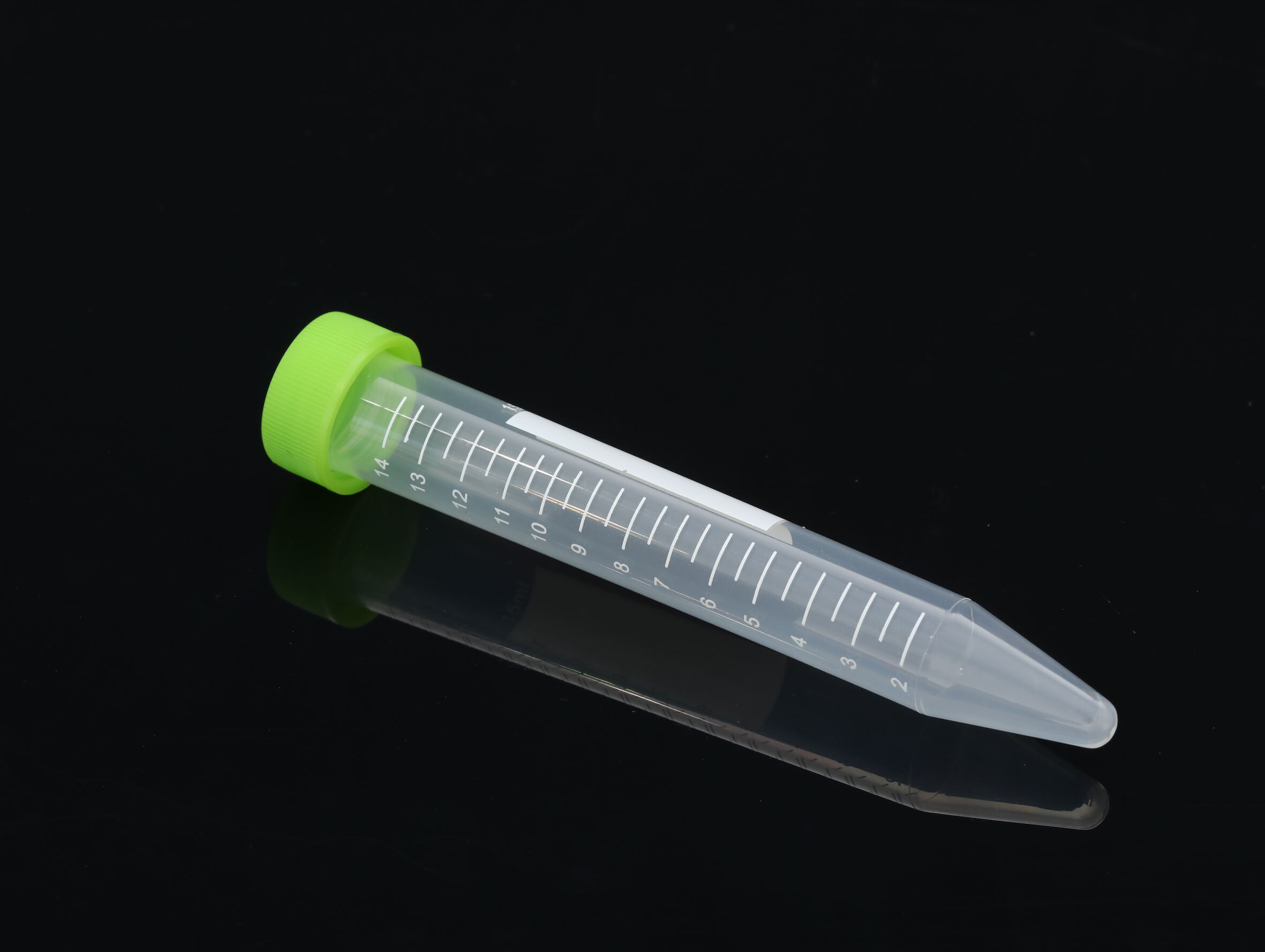
Achieving optimal performance with an ultrafiltration tube requires precise control of centrifugation parameters that directly influence separation efficiency, sample recovery, and membrane integrity. These specialized devices are widely used in protein concentration, desalting, buffer exchange, and molecular weight cut-off applications across biochemical and pharmaceutical laboratories. Understanding the interplay between rotational speed, time, temperature, and rotor angle enables researchers to maximize filtrate quality while minimizing sample loss and membrane damage. The centrifugation parameters must be carefully calibrated based on sample characteristics, molecular weight cut-off specifications, and the physical properties of the ultrafiltration tube membrane to ensure reproducible and reliable results in concentration workflows.
The selection of appropriate centrifugation speed, expressed as either revolutions per minute or relative centrifugal force, forms the foundation of successful ultrafiltration tube operation. Excessive force can cause membrane compression, protein aggregation, or premature membrane fouling, while insufficient force results in incomplete filtration and extended processing times. Temperature control during centrifugation prevents thermal denaturation of sensitive biomolecules, particularly proteins and nucleic acids that exhibit temperature-dependent stability profiles. Duration of centrifugation must balance throughput efficiency with the risk of over-concentration, which can lead to irreversible sample loss through membrane adsorption or precipitation. These interconnected parameters require systematic optimization tailored to each application scenario and sample composition to achieve the performance targets defined by analytical or preparative objectives.
Understanding Relative Centrifugal Force Requirements for Ultrafiltration Applications
Converting RCF to RPM Based on Rotor Radius
Relative centrifugal force represents the actual force experienced by the sample in an ultrafiltration tube and must be calculated from the rotational speed and rotor radius using the standard formula. Most ultrafiltration tube manufacturers specify recommended RCF ranges rather than RPM values because different centrifuge models with varying rotor geometries produce different centrifugal forces at the same rotational speed. For typical fixed-angle rotors with radii between 80 and 150 millimeters, the conversion relationship shows that a given RCF target requires lower RPM in larger rotors compared to smaller ones. Laboratories must accurately measure the effective radius from the rotor axis to the sample midpoint within the ultrafiltration tube to perform correct conversions. This calculation becomes particularly critical when transferring protocols between different centrifuge platforms or when working with high-capacity ultrafiltration tubes that position samples at greater radial distances from the rotation axis.
Optimal RCF Ranges for Different Molecular Weight Cut-Off Membranes
The molecular weight cut-off rating of an ultrafiltration tube membrane directly influences the appropriate centrifugal force range for optimal performance. Lower MWCO membranes such as 3 kDa or 10 kDa units typically require higher RCF values between 4000 and 7000 times gravity to drive smaller molecules through tighter pore structures efficiently. Medium MWCO membranes in the 30 kDa to 50 kDa range generally perform optimally at 3000 to 5000 times gravity, providing adequate flow rates without excessive membrane stress. Higher MWCO ultrafiltration tubes above 100 kDa often function effectively at lower forces between 1000 and 3000 times gravity due to their more open pore architecture and higher intrinsic permeability. Exceeding manufacturer-recommended maximum RCF values can cause permanent membrane deformation, particularly in regenerated cellulose or polyethersulfone membranes that exhibit pressure-dependent compression characteristics. Maintaining forces within specified ranges preserves membrane structure and ensures consistent retention characteristics across multiple use cycles when working with reusable ultrafiltration tube designs.
Impact of Sample Viscosity on Required Centrifugal Force
Sample viscosity significantly affects the centrifugal force required to achieve desired filtration rates through ultrafiltration tube membranes. Highly viscous solutions containing concentrated proteins, polymers, or glycerol require elevated RCF values to overcome increased fluid resistance and maintain acceptable processing times. The relationship between viscosity and required force follows a proportional pattern where doubling solution viscosity necessitates approximately doubling the applied centrifugal force to maintain equivalent flow rates. Viscous samples also exhibit reduced convective mixing during centrifugation, leading to concentration polarization at the membrane surface that further impedes filtration efficiency. Researchers working with viscous samples in ultrafiltration tubes should consider incremental force increases combined with periodic resuspension intervals to disrupt concentration polarization layers. Pre-dilution of viscous samples before ultrafiltration tube processing can reduce required centrifugal forces and minimize membrane fouling, though this approach must be balanced against increased overall processing volume and potential dilution of target analytes below detection limits.
Optimizing Centrifugation Time for Maximum Recovery and Efficiency
Determining Initial Spin Duration Based on Sample Volume
The starting sample volume loaded into an ultrafiltration tube establishes the baseline centrifugation time required to reach target concentration factors. Standard ultrafiltration tubes with 4 milliliter or 15 milliliter capacities typically require 10 to 30 minutes for initial concentration of dilute protein solutions at recommended RCF values. High-volume ultrafiltration tubes exceeding 50 milliliters may necessitate extended centrifugation periods of 45 to 90 minutes depending on membrane area, sample viscosity, and desired concentration endpoint. The relationship between volume reduction and time follows a logarithmic rather than linear pattern, with the initial phase proceeding rapidly as the concentration gradient remains low and membrane surface remains relatively unfouled. As concentration increases and retained molecules accumulate at the membrane interface, filtration rate progressively decreases due to concentration polarization and increased osmotic back-pressure. Monitoring volume reduction at regular intervals allows researchers to establish empirical time curves for specific sample types and ultrafiltration tube configurations, enabling more accurate prediction of total processing time for routine applications.
Recognizing Signs of Complete Filtration Versus Over-Concentration
Effective ultrafiltration tube operation requires recognition of the filtration endpoint where further centrifugation yields diminishing returns or risks sample degradation. Complete filtration manifests as cessation of visible filtrate accumulation in the collection tube and stabilization of retentate volume at the target concentration level. Continuing centrifugation beyond this point does not significantly reduce retentate volume but increases exposure time to centrifugal stress and membrane contact, potentially causing protein aggregation or irreversible membrane binding. Over-concentration becomes evident when retentate viscosity increases dramatically, sample recovery decreases below acceptable thresholds, or protein precipitation becomes visible within the ultrafiltration tube membrane device. Practical indicators of approaching over-concentration include retentate volumes below 50 microliters in standard tubes or concentration factors exceeding 20-fold from initial volumes. Establishing sample-specific concentration limits through pilot experiments prevents losses associated with over-concentration while maximizing volumetric reduction for downstream applications requiring high analyte concentrations in minimal volumes.
Implementing Interrupted Spin Cycles for Difficult Samples
Challenging samples that exhibit concentration polarization, high viscosity, or tendency toward aggregation benefit from interrupted centrifugation protocols using ultrafiltration tubes. This approach involves multiple shorter centrifugation periods separated by gentle resuspension or mixing intervals that redistribute accumulated solutes away from the membrane surface. Typical interrupted protocols employ 5 to 10 minute spin cycles at standard RCF followed by 30 to 60 second mixing periods, repeated until target concentration is achieved. The resuspension intervals reduce concentration polarization by disrupting the boundary layer of retained molecules that forms at the membrane interface and impedes further filtration. Interrupted cycles prove particularly valuable for antibody purification, where high protein concentrations at the membrane can trigger aggregation, and for samples containing particulates that progressively cake onto the ultrafiltration tube membrane surface. While this approach extends total processing time compared to continuous centrifugation, it frequently improves overall recovery yields and maintains better preservation of biological activity for sensitive molecular species that suffer degradation during extended continuous centrifugation exposure.
Temperature Control Strategies During Ultrafiltration Centrifugation
Refrigerated Versus Ambient Temperature Processing
Temperature selection during ultrafiltration tube centrifugation directly impacts both sample stability and membrane permeability characteristics. Refrigerated centrifugation at 4 degrees Celsius represents the standard approach for temperature-sensitive proteins, enzymes, and nucleic acids that exhibit reduced degradation rates at lower temperatures. The reduced thermal energy at refrigerated temperatures decreases rates of proteolysis, oxidation, and conformational changes that can compromise sample integrity during extended processing periods. However, lower temperatures also increase solution viscosity and reduce membrane permeability, often necessitating 20 to 40 percent longer centrifugation times compared to ambient temperature processing in the same ultrafiltration tube format. Ambient temperature centrifugation between 20 and 25 degrees Celsius offers faster processing due to lower viscosity and higher membrane flux but restricts applications to thermostable samples or very short processing times. Some specialized applications involving thermophilic enzymes or heat-stable proteins may even employ elevated temperatures above 30 degrees Celsius to enhance filtration rates, though such approaches require careful validation to confirm maintenance of sample properties throughout the concentration process.
Managing Heat Generation from Centrifugal Friction
Centrifugation inherently generates frictional heat within the rotor chamber that can elevate sample temperatures above set point values, particularly during extended high-speed runs required for certain ultrafiltration tube applications. The temperature increase depends on rotor mass, rotational speed, aerodynamic design, and chamber insulation characteristics, with poorly ventilated rotors potentially experiencing rises of 10 to 20 degrees Celsius during prolonged operation. Pre-cooling centrifuge rotors and ultrafiltration tubes before sample loading helps establish a thermal buffer that absorbs heat generated during the spin cycle. Limiting continuous centrifugation duration to periods shorter than the rotor's thermal equilibration time prevents excessive temperature accumulation, with typical limits ranging from 15 to 45 minutes depending on centrifuge model and operating speed. Monitoring actual sample temperature using thermochromic indicators or thermocouple probes positioned in control tubes provides direct verification that thermal conditions remain within acceptable ranges throughout ultrafiltration tube processing. For applications requiring strict temperature control below 10 degrees Celsius, selecting centrifuge models with active refrigeration systems capable of compensating for frictional heat generation becomes essential rather than relying solely on pre-cooling strategies.
Temperature-Dependent Changes in Membrane Selectivity
The retention characteristics of ultrafiltration tube membranes exhibit temperature-dependent behavior that influences separation performance and molecular weight cut-off accuracy. Polymeric membranes such as polyethersulfone and regenerated cellulose undergo subtle structural changes with temperature variations that alter effective pore dimensions and retention profiles. Increasing temperature generally expands membrane pore structures slightly, potentially allowing marginally larger molecules to pass through and effectively shifting the MWCO to higher values. This temperature-dependent permeability change typically ranges from 2 to 5 percent per 10 degree Celsius temperature increase for common ultrafiltration tube membrane materials. Applications requiring precise molecular weight fractionation must control temperature consistently across experiments to maintain reproducible cut-off characteristics. Protein retention can also vary with temperature due to temperature-dependent changes in molecular conformation and hydrodynamic radius, independent of membrane property changes. Validating retention performance at the intended operating temperature rather than relying solely on manufacturer specifications determined at standard conditions ensures that ultrafiltration tube selectivity meets application requirements under actual processing conditions encountered in specific laboratory environments.
Rotor Type and Angle Considerations for Ultrafiltration Tubes
Fixed-Angle Rotor Performance Characteristics
Fixed-angle rotors represent the standard configuration for ultrafiltration tube centrifugation, positioning tubes at angles typically between 20 and 45 degrees from the vertical axis. This angled orientation creates a radial force component that drives liquid toward the tube bottom and through the membrane while a perpendicular component presses the membrane against its support structure. The angle geometry influences the path length that filtrate molecules must traverse to reach the membrane surface, with steeper angles creating shorter direct paths but potentially increasing concentration polarization due to more restricted mixing. Fixed-angle rotors generate consistent, reproducible centrifugal fields that facilitate standardization of ultrafiltration tube protocols across laboratories using similar equipment configurations. The compact design of fixed-angle rotors allows higher maximum speeds compared to swing-bucket alternatives, enabling application of greater centrifugal forces when needed for low MWCO membranes or viscous samples. Tube positioning in fixed-angle rotors should ensure the ultrafiltration tube membrane device aligns with the centrifugal force vector to prevent uneven pressure distribution across the membrane surface that could cause localized damage or channeling effects reducing separation efficiency.
Swing-Bucket Rotor Applications and Limitations
Swing-bucket rotors position ultrafiltration tubes vertically during low-speed acceleration then transition to horizontal orientation at operating speed, creating a purely radial centrifugal field perpendicular to the membrane surface. This orientation theoretically provides more uniform pressure distribution across circular ultrafiltration tube membranes and minimizes gravitational effects that could cause sample stratification during processing. However, swing-bucket rotors typically cannot achieve the high speeds possible in fixed-angle designs due to mechanical constraints of the swinging mechanism, limiting maximum applicable RCF to values often below 4000 times gravity. The speed limitation restricts swing-bucket rotor utility for ultrafiltration tubes requiring high centrifugal forces, particularly low MWCO devices or viscous sample applications. Swing-bucket configurations prove most suitable for large-volume ultrafiltration tube formats where membrane area is sufficient to achieve acceptable flow rates at moderate centrifugal forces. The horizontal orientation during operation also potentially reduces sample contact with the upper tube walls, minimizing losses from sample creep or splashing that occasionally occurs in fixed-angle configurations during rapid deceleration phases following centrifugation completion.
Balancing Ultrafiltration Tubes for Stable Operation
Proper balancing of ultrafiltration tubes within centrifuge rotors ensures stable operation, prevents mechanical damage, and maintains consistent centrifugal force application across all sample positions. Weight differences between opposing rotor positions should not exceed manufacturer specifications, typically limited to 1 gram for analytical rotors and up to 5 grams for larger preparative configurations. Balancing becomes particularly challenging with ultrafiltration tubes because samples undergo continuous volume and weight reduction during centrifugation as filtrate passes into the collection vessel. Initial balancing must account for the anticipated weight distribution change, often achieved by placing similar sample volumes in opposing positions or using blank tubes filled to match expected final retentate volumes. Asymmetric loading patterns that place ultrafiltration tubes in non-opposing positions should be avoided as they create unbalanced centrifugal forces causing rotor wobble, excessive bearing wear, and potential safety hazards at high speeds. When processing multiple samples requires partial rotor loading, distributing tubes symmetrically around the rotor axis maintains mechanical balance while empty positions should be filled with balance tubes containing water volumes matching the loaded ultrafiltration tube assemblies including both retentate and collection chambers.
Membrane-Specific Parameter Adjustments for Different Materials
Polyethersulfone Membrane Centrifugation Parameters
Polyethersulfone membranes used in ultrafiltration tubes exhibit high mechanical strength, chemical resistance, and low protein binding characteristics that influence optimal centrifugation parameters. These hydrophilic membranes tolerate higher centrifugal forces compared to cellulosic alternatives, typically supporting RCF values up to 15000 times gravity without structural damage or compression-induced pore deformation. The robust nature of polyethersulfone allows aggressive centrifugation protocols with shorter processing times, particularly advantageous when working with viscous samples or achieving high concentration factors in ultrafiltration tube applications. However, the relatively hydrophobic base polymer requires complete wetting before centrifugation to prevent air entrapment in membrane pores that blocks filtrate flow and reduces effective membrane area. Pre-wetting polyethersulfone ultrafiltration tubes with buffer or sample solution followed by brief low-speed centrifugation ensures complete membrane saturation before initiating full-speed concentration cycles. The low protein binding property of polyethersulfone membranes maintains high recovery yields even during extended centrifugation periods, though non-specific adsorption can still occur with certain protein classes particularly at pH values near their isoelectric points where net charge approaches zero.
Regenerated Cellulose Membrane Operating Considerations
Regenerated cellulose membranes in ultrafiltration tubes provide extremely low protein binding and high hydrophilicity but require gentler centrifugation parameters due to lower mechanical strength compared to synthetic polymer alternatives. Maximum recommended RCF values for regenerated cellulose devices typically range between 3000 and 7500 times gravity depending on membrane thickness and support structure design. Exceeding these limits risks membrane compression, pore collapse, or even membrane rupture particularly when processing viscous samples that generate high transmembrane pressure differentials. The naturally hydrophilic character of regenerated cellulose eliminates pre-wetting requirements, allowing immediate processing of aqueous samples without membrane preparation steps needed for more hydrophobic materials. Regenerated cellulose ultrafiltration tubes demonstrate exceptional recovery for dilute protein solutions and minimal interference in downstream analytical techniques due to virtually absent leachable components. However, these membranes exhibit limited chemical resistance compared to synthetic alternatives and cannot tolerate exposure to strong acids, bases, or oxidizing agents that may be present in certain sample matrices or cleaning solutions. Operating regenerated cellulose ultrafiltration tubes at moderate centrifugal forces with appropriate time extensions rather than aggressive high-force protocols preserves membrane integrity while achieving concentration objectives for most biochemical applications.
Hydrosart and Modified Membrane Requirements
Specialized membrane materials such as hydrosart and surface-modified polyethersulfone used in premium ultrafiltration tubes combine advantages of high mechanical strength with enhanced protein compatibility requiring parameter optimization distinct from standard materials. Hydrosart membranes composed of stabilized cellulose derivatives tolerate wider pH ranges and moderate organic solvent concentrations while maintaining the low binding characteristics of regenerated cellulose. These advanced materials typically support centrifugal forces between 4000 and 10000 times gravity, providing operational flexibility for diverse sample types. Surface-modified polyethersulfone membranes incorporate hydrophilic coatings or charged groups that reduce protein interactions while retaining the mechanical robustness of the base polymer. The coating layers require protection from excessive shear forces that could strip surface modifications, suggesting moderate rather than maximum centrifugal forces for optimal long-term performance in ultrafiltration tube applications requiring multiple processing cycles. Temperature control becomes particularly important for modified membranes as elevated temperatures may accelerate degradation of surface treatments or destabilize polymer modifications. Researchers selecting ultrafiltration tubes with advanced membrane materials should consult manufacturer technical documentation for specific parameter recommendations as these specialized materials often exhibit performance characteristics that diverge from predictions based on base polymer properties alone.
FAQ
What is the maximum safe centrifugal force for standard ultrafiltration tubes?
Maximum safe centrifugal force depends on the specific ultrafiltration tube membrane material and manufacturer design specifications. Polyethersulfone membranes typically tolerate up to 15000 times gravity, regenerated cellulose membranes generally limit to 3000-7500 times gravity, and most commercial ultrafiltration tubes specify recommended maximum RCF values between 4000 and 7000 times gravity. Exceeding these limits risks membrane damage, compression, or rupture that compromises retention characteristics and sample recovery. Always consult the manufacturer's technical specifications for the exact ultrafiltration tube model being used rather than applying general guidelines, as design variations in membrane support structures and housing materials significantly influence maximum safe operating parameters.
How does temperature affect centrifugation time requirements for ultrafiltration tubes?
Lower temperatures increase solution viscosity and decrease membrane permeability, typically extending required centrifugation time by 20-40 percent when processing at 4 degrees Celsius compared to ambient temperature. Refrigerated operation at 4 degrees Celsius is essential for temperature-sensitive proteins and enzymes despite longer processing times, while ambient temperature processing between 20-25 degrees Celsius offers faster throughput for thermostable samples. Heat generation from centrifugal friction can elevate sample temperatures above set points during extended high-speed operation, potentially requiring pre-cooling strategies or interrupted spin cycles to maintain thermal control. Temperature also influences membrane pore dimensions and protein conformation, affecting both filtration rate and retention characteristics throughout the ultrafiltration tube concentration process.
Can ultrafiltration tubes be reused with different centrifugation parameters?
Most ultrafiltration tubes are designed as single-use devices to prevent cross-contamination and ensure consistent performance, though some models specifically marketed as reusable can undergo cleaning and reuse protocols if properly validated. Reusable ultrafiltration tubes require thorough cleaning with appropriate detergents followed by extensive rinsing and sanitization between uses, with validation testing to confirm retention characteristics remain within specifications. Centrifugation parameters for reused ultrafiltration tubes should follow manufacturer guidelines, typically matching or reducing force and time compared to initial use since membrane fouling and structural changes from prior processing may alter filtration behavior. Performance degradation across multiple use cycles manifests as decreased flow rates, altered retention characteristics, or increased protein binding, necessitating retirement of ultrafiltration tube devices when these indicators exceed acceptable thresholds regardless of apparent physical condition.
What causes incomplete filtration despite extended centrifugation in ultrafiltration tubes?
Incomplete filtration despite adequate centrifugation time typically results from concentration polarization where retained molecules accumulate at the membrane surface creating a secondary barrier, membrane fouling from particulates or aggregated proteins blocking pores, or osmotic back-pressure from high solute concentrations opposing centrifugal driving force. Sample viscosity increases dramatically during concentration which progressively slows filtration rates even at constant centrifugal force. Solutions include implementing interrupted spin cycles with resuspension intervals to disrupt concentration polarization layers, pre-filtering samples to remove particulates before ultrafiltration tube processing, or accepting moderate concentration factors rather than attempting extreme volume reduction that approaches thermodynamic limits. Some samples contain components that irreversibly bind to membrane surfaces reducing effective area and filtration capacity, requiring alternative membrane materials or sample pre-treatment to achieve complete concentration in ultrafiltration tube applications.
Table of Contents
- Understanding Relative Centrifugal Force Requirements for Ultrafiltration Applications
- Optimizing Centrifugation Time for Maximum Recovery and Efficiency
- Temperature Control Strategies During Ultrafiltration Centrifugation
- Rotor Type and Angle Considerations for Ultrafiltration Tubes
- Membrane-Specific Parameter Adjustments for Different Materials
-
FAQ
- What is the maximum safe centrifugal force for standard ultrafiltration tubes?
- How does temperature affect centrifugation time requirements for ultrafiltration tubes?
- Can ultrafiltration tubes be reused with different centrifugation parameters?
- What causes incomplete filtration despite extended centrifugation in ultrafiltration tubes?