
 EN
EN



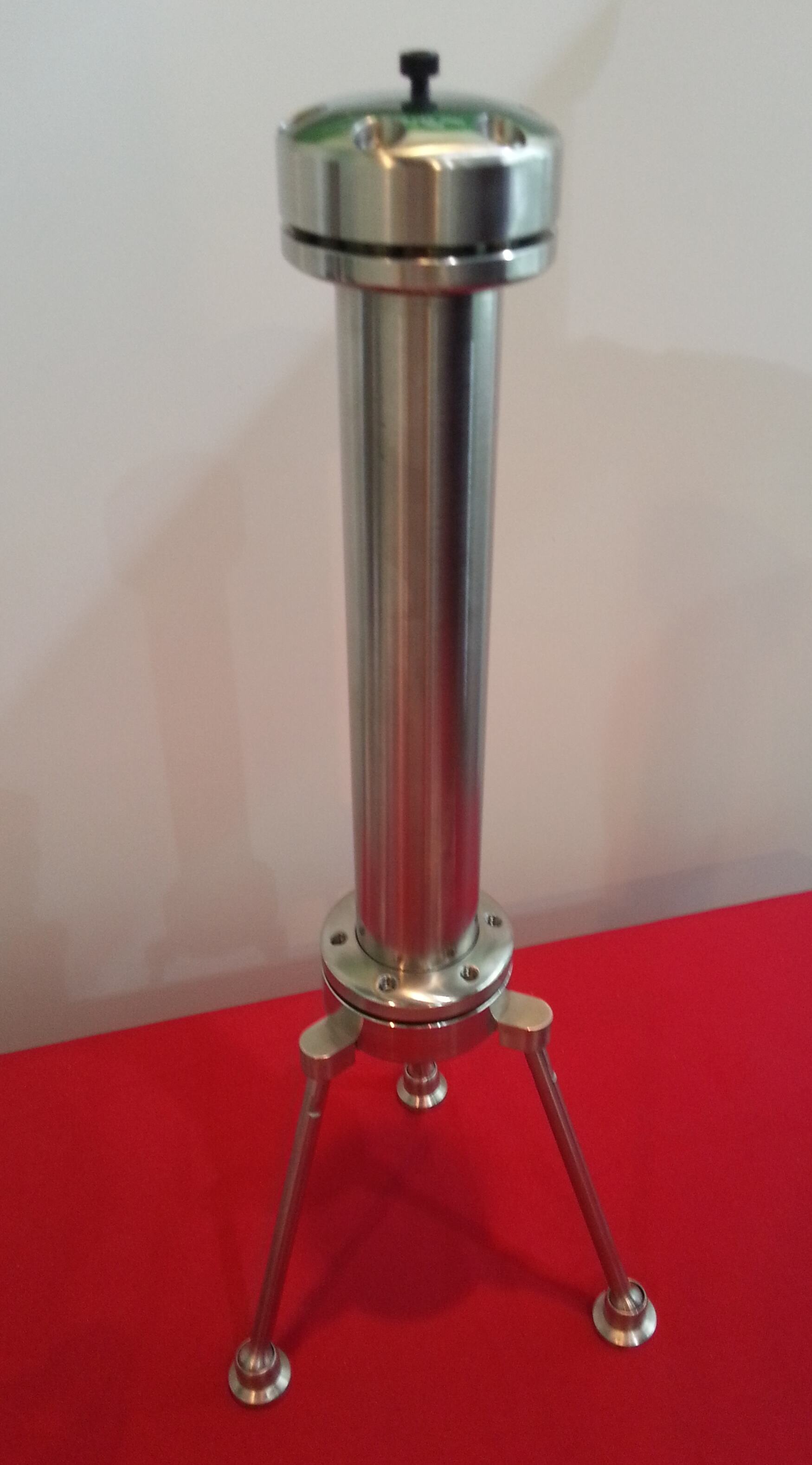
Solid Phase Extraction has revolutionized analytical chemistry by providing researchers and laboratory professionals with precise, efficient methods for sample preparation. Modern analytical laboratories increasingly rely on advanced extraction techniques to achieve accurate results while minimizing time and resource consumption. Among the various extraction methodologies available today, the SPE Cartridge stands out as a versatile and reliable solution for complex sample matrices. Understanding how different extraction techniques compare enables laboratory managers and analytical chemists to make informed decisions about their sample preparation workflows.
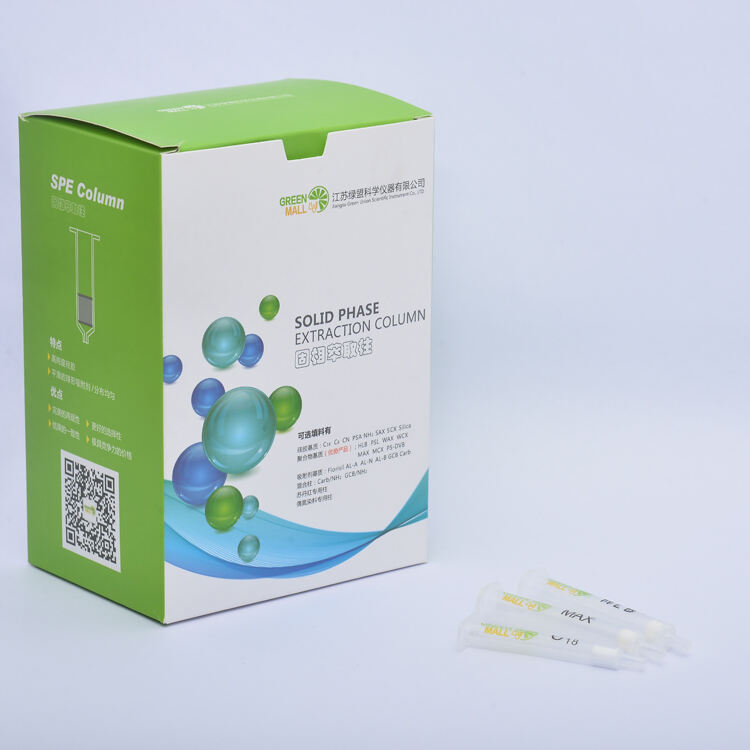
The landscape of extraction techniques encompasses traditional methods like liquid-liquid extraction alongside modern approaches such as microwave-assisted extraction and supercritical fluid extraction. Each methodology presents distinct advantages and limitations that directly impact laboratory efficiency, cost-effectiveness, and analytical precision. Selecting the optimal extraction technique requires careful consideration of sample characteristics, target analytes, throughput requirements, and available resources.
Fundamental Principles of Solid Phase Extraction Technology
Core Mechanisms and Operational Framework
Solid Phase Extraction operates on the principle of selective adsorption and desorption, utilizing specialized sorbent materials contained within cartridge housings. The SPE Cartridge functions through a multi-step process involving sample loading, washing, and elution phases. During the loading phase, target analytes interact with the sorbent material through various mechanisms including hydrophobic interactions, hydrogen bonding, and electrostatic forces.
The washing step removes interfering compounds while retaining analytes of interest on the sorbent bed. This selective retention capability distinguishes SPE technology from other extraction methods by enabling precise control over matrix effects. The final elution step employs specific solvents to recover concentrated analytes, resulting in cleaner extracts with reduced background interference. This systematic approach ensures reproducible results across different sample types and analytical applications.
Sorbent Chemistry and Selectivity Options
Modern SPE Cartridge designs incorporate diverse sorbent chemistries tailored for specific analytical challenges. Reversed-phase sorbents excel in retaining nonpolar compounds from aqueous matrices, while normal-phase materials effectively extract polar analytes from organic solvents. Ion-exchange sorbents provide exceptional selectivity for charged compounds, enabling precise separation of ionic species from complex biological or environmental samples.
Mixed-mode sorbents combine multiple retention mechanisms within a single cartridge, offering enhanced versatility for challenging extractions. These advanced materials simultaneously exploit hydrophobic, ionic, and hydrogen bonding interactions to achieve superior selectivity and recovery rates. The availability of specialized sorbent chemistries allows laboratories to customize their extraction protocols for optimal performance with specific analyte classes.
Comparative Analysis with Liquid-Liquid Extraction Methods
Efficiency and Recovery Performance
Traditional liquid-liquid extraction relies on partitioning analytes between immiscible solvent phases, requiring multiple extraction steps to achieve adequate recovery rates. In contrast, the SPE Cartridge provides quantitative recovery through controlled adsorption and desorption processes. Studies consistently demonstrate superior recovery rates for SPE methods compared to liquid-liquid extraction, particularly for trace-level analytes in complex matrices.
The precision of SPE extraction stems from its ability to concentrate analytes while simultaneously removing interfering compounds. This dual functionality reduces the need for additional cleanup steps, streamlining analytical workflows and improving overall method performance. Liquid-liquid extraction often requires multiple washing steps and phase separation procedures that introduce variability and potential sample loss.
Solvent Consumption and Environmental Impact
Environmental consciousness drives modern laboratories toward greener analytical practices, making solvent consumption a critical factor in method selection. Liquid-liquid extraction typically requires large volumes of organic solvents, generating substantial waste streams that require costly disposal procedures. The SPE Cartridge approach dramatically reduces solvent consumption by utilizing small volumes for washing and elution steps.
This reduction in solvent usage translates to lower operational costs and reduced environmental impact. Many SPE protocols employ aqueous-based washing solutions, further minimizing organic solvent requirements. The concentrated nature of SPE eluates also reduces the volume of extract requiring subsequent analysis, contributing to overall method sustainability and cost-effectiveness.
Advanced Extraction Technologies and Performance Benchmarks
Microwave-Assisted Extraction Capabilities
Microwave-assisted extraction leverages electromagnetic energy to accelerate analyte transfer from solid matrices into solution. While this technique offers rapid extraction times, it requires specialized equipment and careful optimization of heating parameters. The SPE Cartridge provides complementary benefits by offering post-extraction cleanup capabilities that microwave-assisted methods cannot achieve independently.
Combined approaches utilizing microwave extraction followed by SPE cleanup demonstrate synergistic benefits for challenging analytical applications. The rapid heating capabilities of microwave extraction paired with the selective purification of SPE methods create powerful analytical workflows. However, standalone microwave extraction often produces crude extracts requiring additional purification steps that SPE cartridges readily provide.
Supercritical Fluid Extraction Integration
Supercritical fluid extraction employs pressurized carbon dioxide to extract analytes from solid matrices, offering excellent selectivity for lipophilic compounds. Despite its advantages, supercritical fluid extraction requires expensive instrumentation and specialized training for operation. The SPE Cartridge serves as an accessible alternative for many applications while providing comparable selectivity through appropriate sorbent selection.
For laboratories lacking supercritical fluid extraction capabilities, SPE methods offer practical solutions for similar analytical challenges. The versatility of modern sorbent chemistries enables SPE protocols to achieve selectivity approaching that of supercritical fluid methods while maintaining accessibility and cost-effectiveness. This democratization of advanced extraction capabilities makes sophisticated analytical techniques available to a broader range of laboratories.
Automation and High-Throughput Considerations
Robotic Integration and Workflow Optimization
Modern analytical laboratories increasingly rely on automated systems to improve reproducibility and increase sample throughput. The standardized format of SPE Cartridge systems facilitates seamless integration with robotic liquid handling platforms. Automated SPE workstations can process multiple samples simultaneously while maintaining precise control over flow rates, volumes, and timing parameters.
This automation capability provides significant advantages over manual liquid-liquid extraction procedures that require extensive hands-on manipulation. Automated SPE systems reduce analyst exposure to hazardous solvents while improving method precision through elimination of human error. The consistency achieved through automation directly translates to improved analytical quality and laboratory productivity.
Scalability and Method Transfer
Method scalability represents a crucial consideration for laboratories handling varying sample volumes and throughput requirements. SPE Cartridge methods offer exceptional scalability through availability of different cartridge sizes and multi-well plate formats. This flexibility enables laboratories to adapt protocols from research-scale applications to high-throughput production environments without fundamental method changes.
Method transfer between laboratories becomes simplified when using standardized SPE protocols compared to liquid-liquid extraction procedures that may vary based on equipment and technique. The reproducible nature of cartridge-based extraction ensures consistent results across different analysts and laboratory environments. This reliability facilitates method validation and regulatory compliance in pharmaceutical and environmental testing applications.
Cost-Benefit Analysis and Economic Considerations
Initial Investment and Operational Expenses
Financial considerations play a decisive role in extraction method selection for budget-conscious laboratories. While SPE Cartridge units represent higher per-sample costs compared to liquid-liquid extraction solvents, the total cost of ownership often favors SPE methods when considering labor, waste disposal, and equipment requirements. The reduced analyst time required for SPE procedures translates to lower labor costs per sample.
Equipment requirements for SPE methods remain minimal compared to advanced techniques like supercritical fluid extraction or automated liquid-liquid extraction systems. Basic vacuum manifolds or positive pressure processors enable effective SPE implementation without substantial capital investment. This accessibility makes SPE technology attractive for laboratories with limited budgets or those beginning to modernize their sample preparation capabilities.
Long-term Productivity and Quality Benefits
The superior reproducibility and reliability of SPE methods contribute to long-term cost savings through reduced method development time and fewer analytical failures. Clean extracts produced by SPE Cartridge methods extend instrument life and reduce maintenance requirements compared to crude extracts from other techniques. This reduction in instrument downtime and maintenance costs provides substantial value over extended operational periods.
Quality improvements achieved through SPE methods often enable laboratories to meet stringent regulatory requirements more easily, avoiding costly compliance issues. The documentation and validation advantages of standardized SPE protocols facilitate regulatory submissions and audit processes. These indirect benefits often outweigh the higher per-sample costs associated with cartridge-based extraction methods.
Application-Specific Performance Comparisons
Pharmaceutical and Bioanalytical Applications
Pharmaceutical analysis demands exceptional precision and reliability to ensure drug safety and efficacy. The SPE Cartridge excels in bioanalytical applications by providing consistent recovery of drug compounds from complex biological matrices. Protein precipitation followed by SPE cleanup offers superior performance compared to traditional liquid-liquid extraction for many pharmaceutical analytes.
The ability to remove phospholipids and other biological interferents makes SPE methods particularly valuable in LC-MS applications. Clean extracts reduce ion suppression effects and extend column life compared to samples prepared using liquid-liquid extraction. This improvement in analytical quality directly supports pharmaceutical development timelines and regulatory compliance requirements.
Environmental and Food Safety Testing
Environmental monitoring applications require robust methods capable of handling diverse sample matrices while achieving low detection limits. SPE Cartridge methods provide exceptional performance for pesticide residue analysis, enabling concentration of trace-level contaminants from water, soil, and food samples. The selectivity of modern sorbent chemistries facilitates multi-residue methods covering broad analyte ranges.
Food safety testing benefits from the ability of SPE methods to remove lipids, proteins, and other food matrix components that interfere with instrumental analysis. The cleanup capabilities of SPE cartridges often eliminate the need for additional purification steps required when using liquid-liquid extraction. This streamlined approach reduces method complexity while improving analytical sensitivity and precision.
FAQ
What makes SPE cartridges more selective than liquid-liquid extraction
SPE cartridges achieve superior selectivity through specialized sorbent chemistries that provide multiple interaction mechanisms including hydrophobic, electrostatic, and hydrogen bonding interactions. Unlike liquid-liquid extraction which relies solely on partition coefficients, SPE methods can be fine-tuned using different sorbent materials and elution solvents to achieve precise analyte separation from matrix interferents.
How do SPE methods compare in terms of automation capabilities
SPE cartridge methods offer exceptional automation potential through robotic liquid handling systems and dedicated automated SPE workstations. The standardized cartridge format facilitates consistent processing across multiple samples, while liquid-liquid extraction requires complex phase separation steps that are difficult to automate reliably. This automation advantage significantly reduces labor costs and improves method reproducibility.
Are SPE cartridges cost-effective for high-volume laboratories
While individual SPE cartridges cost more than solvents for liquid-liquid extraction, the total cost analysis often favors SPE methods when considering reduced labor time, waste disposal costs, and improved analytical quality. High-volume laboratories benefit from automation capabilities and reduced method development time that SPE technologies provide, resulting in lower per-sample costs for comprehensive analytical workflows.
What are the main limitations of SPE compared to other extraction techniques
SPE cartridge methods may require optimization of sorbent chemistry and elution conditions for specific applications, potentially increasing method development time compared to generic liquid-liquid extraction protocols. Additionally, cartridge breakthrough can occur with overloaded samples, and some analytes may require specialized sorbent materials that increase per-sample costs. However, these limitations are often outweighed by the superior selectivity and automation capabilities that SPE methods provide.
Table of Contents
- Fundamental Principles of Solid Phase Extraction Technology
- Comparative Analysis with Liquid-Liquid Extraction Methods
- Advanced Extraction Technologies and Performance Benchmarks
- Automation and High-Throughput Considerations
- Cost-Benefit Analysis and Economic Considerations
- Application-Specific Performance Comparisons
- FAQ