
 EN
EN



A filtration assembly serves as the backbone of countless industrial and laboratory processes, ensuring fluid purity and system reliability across diverse applications. When these critical components malfunction, they can disrupt entire operational workflows, leading to costly downtime and compromised product quality. Understanding the most common issues that affect filtration assembly performance and implementing systematic troubleshooting approaches enables operators to maintain optimal system efficiency while minimizing unexpected failures and maintenance costs.
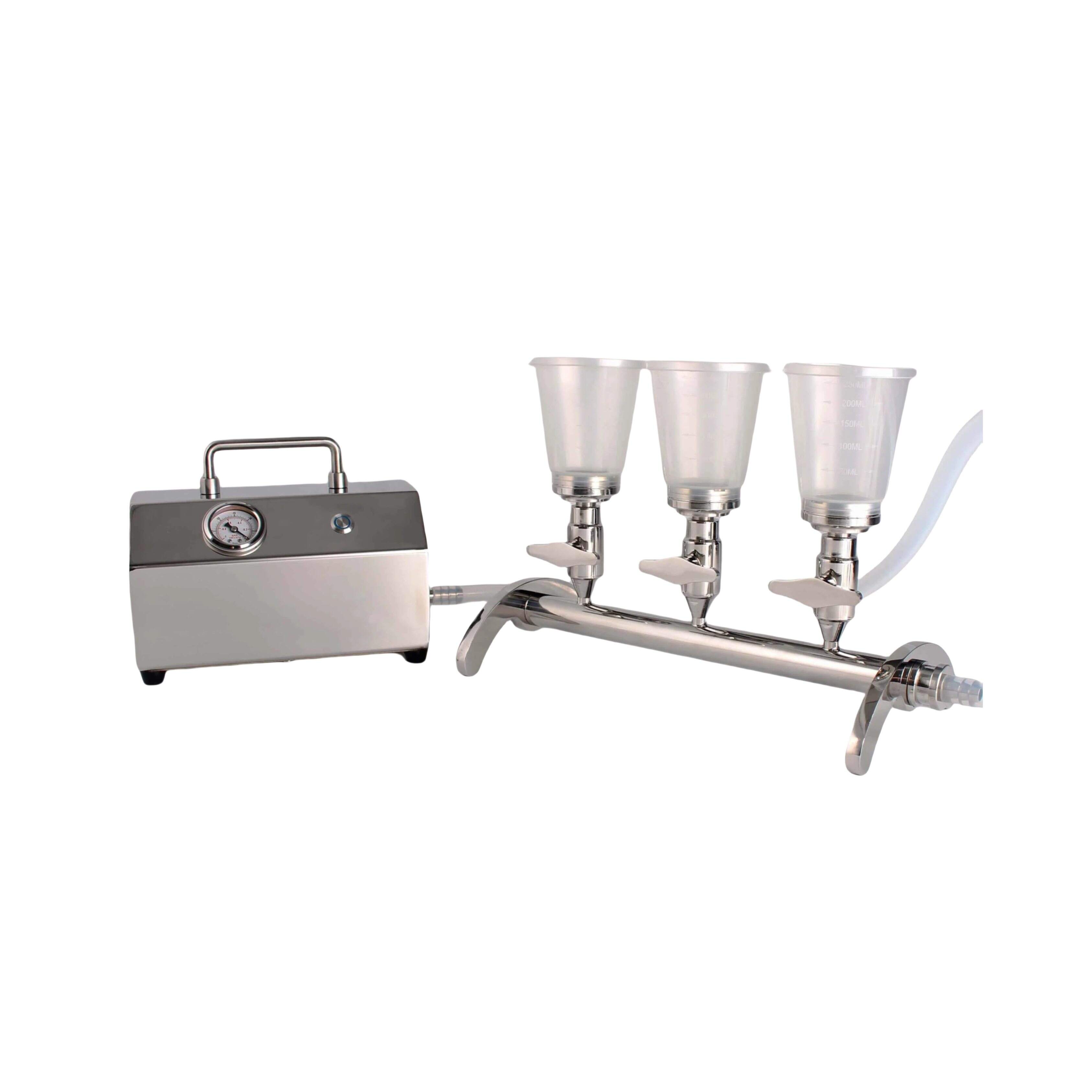
Understanding Filtration Assembly Components and Their Functions
Core Components of Modern Filtration Systems
Every filtration assembly consists of several interconnected components that work together to achieve effective particle separation and fluid purification. The primary elements include the filter housing, filter media, sealing mechanisms, inlet and outlet connections, and pressure monitoring systems. Each component plays a crucial role in maintaining system integrity and ensuring consistent filtration performance throughout the operational cycle.
The filter housing provides structural support and contains the filtration media while withstanding operational pressures and chemical exposure. High-quality filtration assembly designs incorporate robust materials such as stainless steel or specialized polymers that resist corrosion and maintain dimensional stability under varying temperature and pressure conditions. Understanding these fundamental components helps operators identify potential failure points and implement preventive maintenance strategies.
Filtration Media Selection and Performance Characteristics
Filtration media represents the heart of any filtration assembly, determining particle retention efficiency, flow capacity, and overall system performance. Different media types including pleated cartridges, membrane filters, and depth filters offer varying characteristics suited to specific applications. The selection of appropriate media directly impacts filtration effectiveness and operational longevity of the entire assembly.
Media compatibility with process fluids becomes critical for maintaining filtration assembly integrity over extended operating periods. Chemical compatibility, temperature resistance, and particle retention ratings must align with application requirements to prevent premature failure or performance degradation. Regular evaluation of media performance indicators helps identify when replacement becomes necessary before complete system failure occurs.
Common Pressure-Related Problems and Solutions
Identifying Excessive Pressure Drop Issues
Excessive pressure drop across a filtration assembly often indicates media clogging, improper media selection, or system design inadequacies. When pressure differentials exceed recommended operating ranges, flow rates decrease significantly, potentially compromising downstream processes and increasing energy consumption. Monitoring pressure differential trends provides valuable insights into filtration assembly health and maintenance timing.
Systematic pressure monitoring involves establishing baseline measurements during initial system commissioning and tracking changes over time. Gradual pressure increases typically indicate normal media loading, while sudden spikes suggest acute blockages or component failures. Implementing automated pressure monitoring systems enables proactive maintenance scheduling and prevents unexpected filtration assembly failures that could impact production schedules.
Addressing Low Pressure and Flow Rate Problems
Low pressure conditions within a filtration assembly can result from several factors including media bypass, seal failures, or upstream supply issues. When pressure readings fall below expected ranges, the filtration effectiveness diminishes, allowing unfiltered particles to pass through the system. This condition compromises product quality and may cause damage to downstream equipment sensitive to contamination.
Troubleshooting low pressure scenarios requires systematic evaluation of all system connections, seal integrity, and media installation procedures. Proper filtration assembly maintenance includes regular inspection of O-rings, gaskets, and threaded connections that may develop leaks over time. Addressing these issues promptly prevents further system deterioration and maintains optimal filtration performance.
Flow Rate Inconsistencies and Performance Optimization
Diagnosing Variable Flow Rate Conditions
Inconsistent flow rates through a filtration assembly often signal underlying problems with media condition, system design, or operational parameters. Variable flow patterns can indicate partial blockages, air entrainment, or temperature-related viscosity changes in process fluids. These conditions affect filtration efficiency and may compromise the reliability of downstream processes requiring consistent flow delivery.
Flow measurement techniques help identify patterns and root causes of variable performance in filtration assembly operations. Installing flow meters at strategic locations throughout the system enables operators to pinpoint problem areas and implement targeted corrective actions. Regular flow monitoring also facilitates predictive maintenance scheduling based on performance trends rather than arbitrary time intervals.
Optimizing Flow Characteristics Through System Design
Proper filtration assembly design considerations significantly impact flow characteristics and overall system performance. Factors such as housing geometry, media surface area, and connection sizing directly influence pressure drop and flow capacity. Oversized or undersized components can create turbulence, channeling, or insufficient filtration contact time, reducing overall system effectiveness.
System optimization involves evaluating current design parameters against application requirements and identifying opportunities for improvement. Upgrading to higher capacity filtration assembly configurations or implementing parallel filtration paths can resolve flow limitations while maintaining required filtration effectiveness. Professional system analysis helps determine the most cost-effective optimization strategies for specific applications.
Contamination Control and Media Replacement Strategies
Recognizing Contamination Breakthrough Indicators
Contamination breakthrough occurs when a filtration assembly fails to retain particles effectively, allowing contaminants to pass through to downstream processes. Early detection of breakthrough conditions prevents product quality issues and protects sensitive equipment from damage. Visual indicators, particle counters, and downstream equipment performance provide valuable feedback on filtration assembly effectiveness.
Establishing contamination monitoring protocols helps identify breakthrough conditions before they impact production quality. Regular sampling and analysis of filtered fluids provide quantitative data on filtration assembly performance and help determine optimal media replacement intervals. This proactive approach minimizes the risk of contamination-related production losses and maintains consistent product quality standards.
Implementing Effective Media Replacement Protocols
Timely media replacement represents a critical aspect of filtration assembly maintenance that directly impacts system reliability and performance. Replacement timing depends on various factors including contamination levels, flow rates, operating pressures, and media specifications. Developing standardized replacement procedures ensures consistent maintenance quality and minimizes system downtime during media changes.
Media replacement protocols should include proper system shutdown procedures, contamination containment measures, and quality verification steps. Documentation of replacement activities helps track media performance trends and optimize future replacement intervals. Training personnel on proper replacement techniques ensures consistent execution and prevents installation errors that could compromise filtration assembly performance.
System Integration and Compatibility Considerations
Addressing Interface Problems with Connected Equipment
Filtration assembly integration with existing systems requires careful attention to interface compatibility, pressure ratings, and flow characteristics. Mismatched connections, inadequate pressure ratings, or incompatible materials can create operational problems and safety hazards. Proper system integration ensures reliable operation and maintains the integrity of both the filtration assembly and connected equipment.
Interface problems often manifest as leakage, pressure fluctuations, or flow restrictions that affect overall system performance. Systematic evaluation of all connection points, material compatibility, and pressure ratings helps identify potential integration issues before they cause operational problems. Professional installation and commissioning services ensure proper filtration assembly integration with existing systems.
Ensuring Long-term Compatibility and Performance
Long-term compatibility between filtration assembly components and process conditions requires ongoing monitoring and maintenance attention. Chemical compatibility, temperature cycling, and mechanical stress can gradually degrade system components, leading to performance deterioration or failure. Regular inspection and testing protocols help identify compatibility issues before they compromise system reliability.
Performance tracking over extended periods provides valuable insights into filtration assembly durability and helps predict maintenance requirements. Documenting operational parameters, maintenance activities, and performance indicators creates a comprehensive database for optimizing future filtration assembly selections and maintenance strategies. This data-driven approach enables continuous improvement in system reliability and cost-effectiveness.
Preventive Maintenance and Monitoring Best Practices
Developing Comprehensive Monitoring Programs
Effective filtration assembly monitoring programs combine automated sensing technologies with regular manual inspections to provide comprehensive system oversight. Pressure sensors, flow meters, and contamination monitors deliver real-time performance data that enables proactive maintenance decisions. Integration of monitoring systems with facility management platforms facilitates centralized oversight and trend analysis across multiple filtration assembly installations.
Monitoring program development should consider critical performance parameters, acceptable operating ranges, and alarm thresholds that trigger maintenance actions. Customizing monitoring protocols to specific application requirements ensures relevant data collection and prevents information overload. Regular review and refinement of monitoring parameters helps optimize program effectiveness and maintenance resource allocation.
Implementing Predictive Maintenance Strategies
Predictive maintenance approaches utilize performance trend analysis and condition monitoring data to schedule filtration assembly maintenance activities based on actual system needs rather than arbitrary time intervals. This strategy optimizes maintenance resource utilization while minimizing unexpected failures and associated production disruptions. Advanced analytics and machine learning techniques enhance predictive accuracy and maintenance decision quality.
Successful predictive maintenance implementation requires establishing baseline performance characteristics, defining degradation patterns, and developing maintenance triggers based on quantitative criteria. Integration of predictive maintenance strategies with existing maintenance management systems ensures seamless workflow integration and documentation consistency. Regular program evaluation and refinement helps improve prediction accuracy and maintenance effectiveness over time.
FAQ
What are the most common causes of filtration assembly failure?
The most common causes of filtration assembly failure include improper media selection, inadequate maintenance procedures, chemical compatibility issues, and excessive operating pressures. Media clogging due to high contamination loads or particle sizes exceeding design specifications represents another frequent failure mode. System design inadequacies such as undersized components or poor flow distribution can also contribute to premature failure. Regular monitoring and preventive maintenance help identify and address these issues before complete system failure occurs.
How often should filtration assembly media be replaced?
Media replacement frequency depends on several factors including contamination levels, flow rates, operating pressures, and media specifications. Rather than following arbitrary time schedules, replacement timing should be based on performance indicators such as pressure differential, flow capacity, and contamination breakthrough measurements. Most applications benefit from establishing baseline performance parameters and replacing media when performance degrades beyond acceptable limits. Typical replacement intervals range from weekly to annually depending on application severity and media type.
What safety precautions should be taken when troubleshooting filtration assembly problems?
Safety precautions for filtration assembly troubleshooting include proper system depressurization, contamination containment measures, and personal protective equipment usage. Always isolate the system from pressure sources and allow complete pressure relief before beginning maintenance work. Wear appropriate gloves, eye protection, and respiratory protection when handling potentially contaminated media or process fluids. Follow lockout/tagout procedures when working on integrated systems to prevent accidental startup. Proper disposal of used media and contaminated materials prevents environmental contamination and ensures regulatory compliance.
How can I determine if my filtration assembly is properly sized for my application?
Proper filtration assembly sizing requires evaluating flow capacity requirements, pressure drop limitations, contamination levels, and particle size distributions in your specific application. Compare actual operating conditions against manufacturer specifications for flow rates, pressure differentials, and media capacity. Excessive pressure drops, frequent media replacement, or contamination breakthrough indicate undersized systems. Conversely, minimal pressure changes and extended media life may suggest oversized configurations. Professional system analysis helps determine optimal sizing for current and future application requirements while considering cost-effectiveness and maintenance convenience.
Table of Contents
- Understanding Filtration Assembly Components and Their Functions
- Common Pressure-Related Problems and Solutions
- Flow Rate Inconsistencies and Performance Optimization
- Contamination Control and Media Replacement Strategies
- System Integration and Compatibility Considerations
- Preventive Maintenance and Monitoring Best Practices
- FAQ