
 EN
EN



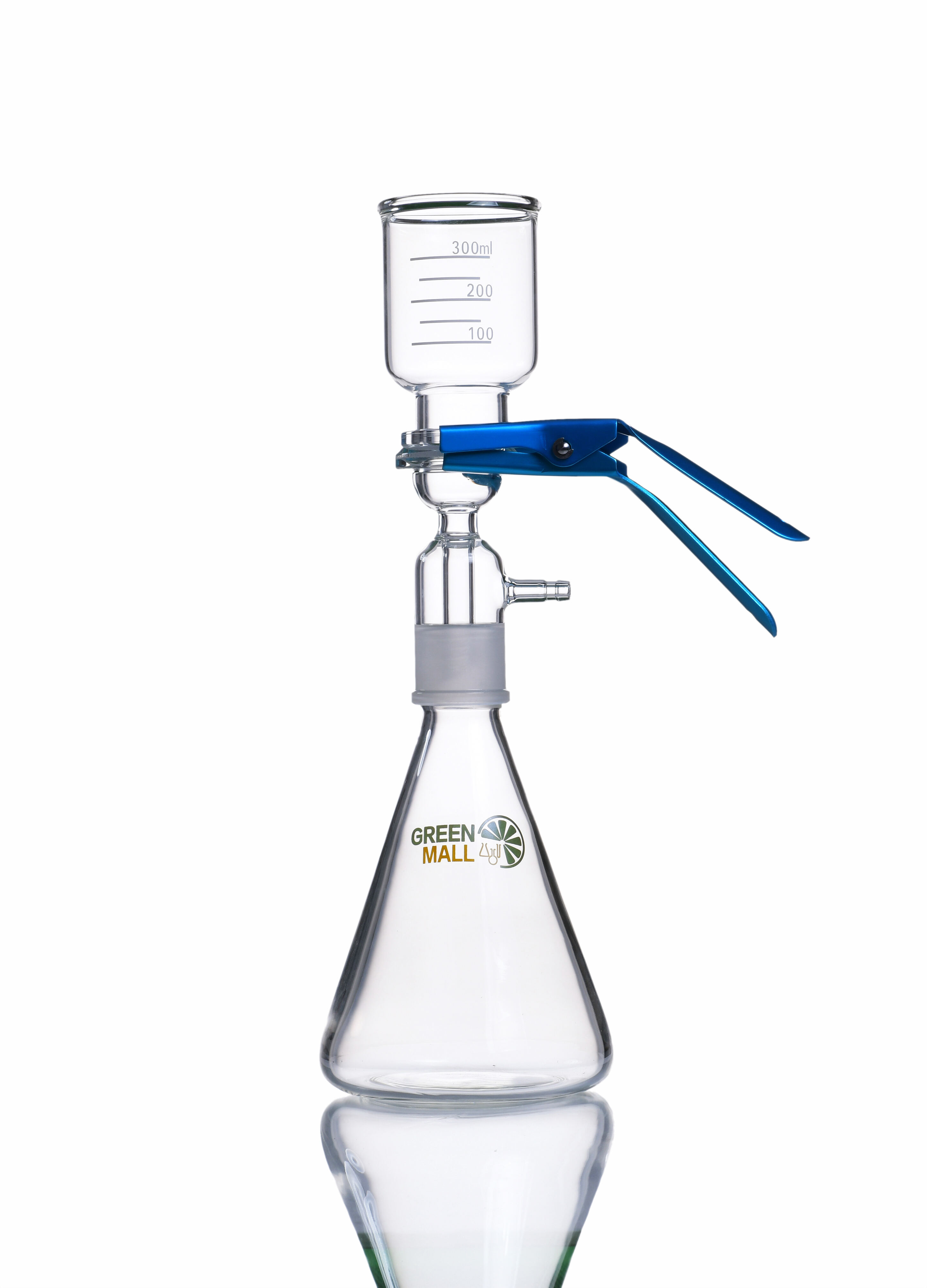
Material compatibility represents one of the most critical factors in selecting an appropriate filtration assembly for laboratory and industrial applications. When chemical interactions occur between the filtration medium and the sample being processed, the consequences can range from compromised analytical results to complete system failure. Understanding the fundamental principles of material science and chemical compatibility ensures that your filtration assembly performs reliably while maintaining the integrity of your samples and extending equipment lifespan.
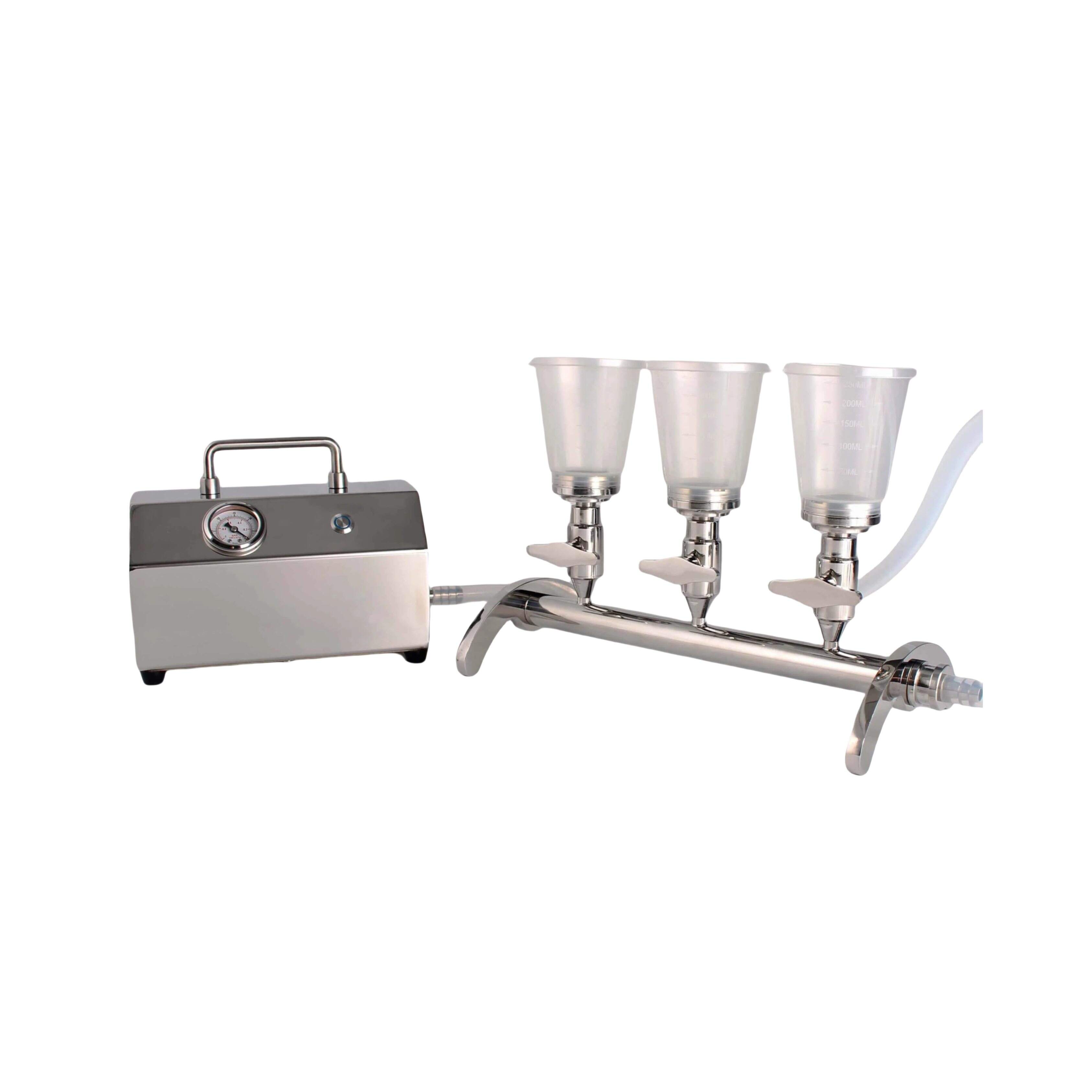
The selection process for a filtration assembly requires careful evaluation of multiple material properties including chemical resistance, temperature stability, and mechanical durability. Different applications demand specific material characteristics, and choosing the wrong combination can lead to sample contamination, filter degradation, or even safety hazards. Modern analytical laboratories and manufacturing facilities rely on precise filtration processes where material compatibility directly impacts product quality and regulatory compliance.
Chemical Resistance Fundamentals in Filtration Systems
Understanding Solvent Interactions
Chemical resistance forms the cornerstone of material selection for any filtration assembly. Organic solvents, acids, and bases can cause swelling, dissolution, or degradation of incompatible filter materials, leading to compromised filtration performance. PTFE membranes demonstrate exceptional chemical resistance across a broad pH range, making them suitable for aggressive chemical environments. However, certain fluorinated solvents and alkali metals at elevated temperatures can still affect PTFE integrity.
Polypropylene filters offer excellent resistance to most aqueous solutions and many organic solvents but may experience stress cracking when exposed to certain aromatic hydrocarbons. The molecular structure of the filter material determines its interaction with specific chemical groups, and understanding these relationships helps prevent unexpected failures during critical filtration processes.
pH Stability Considerations
pH extremes present unique challenges for filtration assembly materials, requiring careful consideration of both membrane and housing materials. Glass fiber filters maintain structural integrity across the entire pH spectrum but may introduce trace contaminants in certain analytical applications. Nylon membranes perform excellently in neutral to slightly acidic conditions but can hydrolyze under strong alkaline conditions, particularly at elevated temperatures.
Polyethersulfone membranes demonstrate remarkable pH stability from 1 to 14, making them versatile choices for applications involving variable pH conditions. The filtration assembly housing materials must also withstand the same chemical environment, with stainless steel and certain plastics providing complementary resistance profiles for complete system compatibility.
Temperature Effects on Material Performance
Thermal Expansion and Contraction
Temperature fluctuations significantly impact the dimensional stability and sealing integrity of filtration assembly components. Different materials exhibit varying coefficients of thermal expansion, potentially causing seal failures or membrane distortion when temperature changes occur during operation. Proper material selection accounts for the expected temperature range and ensures that all components expand and contract at compatible rates.
PEEK components offer exceptional thermal stability with minimal dimensional changes across wide temperature ranges, making them ideal for high-temperature filtration applications. Silicone O-rings provide flexibility at low temperatures while maintaining sealing integrity, though they may not be suitable for certain organic solvents that cause swelling.
Heat-Related Degradation Mechanisms
Elevated temperatures accelerate chemical degradation processes, reducing the effective lifespan of filtration assembly components. Polymer chains can undergo scission, crosslinking, or oxidation reactions that alter material properties and compromise filtration performance. Understanding the thermal limits of each material component ensures reliable operation within safe temperature boundaries.
Ceramic membranes excel in high-temperature applications where polymer-based alternatives would fail, offering superior thermal stability and chemical inertness. However, thermal shock resistance becomes crucial when rapid temperature changes occur, requiring careful consideration of material selection and system design to prevent cracking or delamination.
Contamination Prevention Through Material Selection
Extractable Compounds and Leachables
Material compatibility extends beyond chemical resistance to include the prevention of sample contamination through extractable compounds. Even chemically resistant materials may release trace quantities of additives, processing aids, or degradation products that interfere with sensitive analytical procedures. Pharmaceutical and biotechnology applications require particularly stringent control over potential leachables from filtration assembly components.
Ultra-pure materials specifically designed for critical applications undergo extensive testing to minimize extractable compounds. PTFE membranes processed without surfactants and wetting agents provide superior purity for trace analysis applications. Glass fiber filters pretreated to remove binders and organic residues ensure minimal background interference in analytical measurements.
Surface Chemistry Interactions
The surface chemistry of filtration assembly materials directly affects sample recovery and potential adsorption losses. Hydrophobic membranes may retain polar compounds while hydrophilic surfaces can interact with non-polar analytes, leading to incomplete recovery or sample bias. Understanding these interactions allows for appropriate material selection based on sample characteristics.
Surface modifications and coatings can enhance compatibility while maintaining the underlying material benefits. Hydrophilic PTFE membranes combine chemical resistance with improved wetting properties for aqueous samples. Similarly, hydrophobic nylon variants extend the application range of these materials to non-polar solvents while maintaining their mechanical properties.
Mechanical Properties and Filtration Performance
Pressure Resistance and Structural Integrity
Mechanical compatibility encompasses pressure resistance, tensile strength, and dimensional stability under operating conditions. High-pressure applications require filtration assembly components capable of withstanding significant differential pressures without deformation or failure. The membrane support structure, housing materials, and sealing systems must work together to maintain integrity throughout the pressure cycling typical of filtration processes.
Reinforced membranes provide enhanced mechanical strength for demanding applications while maintaining filtration efficiency. Stainless steel housings offer superior pressure resistance compared to plastic alternatives, though material selection must balance mechanical requirements with chemical compatibility needs.
Flexibility and Fatigue Resistance
Repeated pressure cycling and mechanical stress can lead to fatigue failure in filtration assembly components. Flexible materials may accommodate stress better initially but can experience accelerated aging under continuous cycling. Understanding the fatigue characteristics of different materials helps predict service life and maintenance requirements.
Elastomeric seals require particular attention to fatigue resistance, as seal failure represents a common mode of filtration assembly malfunction. Shore hardness, compression set resistance, and dynamic properties all influence seal performance and longevity in specific applications.
Application-Specific Material Requirements
Pharmaceutical and Biotechnology Applications
Pharmaceutical manufacturing and biotechnology research impose stringent requirements on filtration assembly materials due to regulatory compliance needs and product safety considerations. USP Class VI certification ensures biocompatibility for materials in contact with biological samples or pharmaceutical products. Validation requirements often specify particular material grades and suppliers to maintain consistency and traceability.
Sterile filtration applications demand materials compatible with sterilization methods including autoclaving, gamma irradiation, or chemical sterilization. Not all materials withstand these treatments without property changes, making careful selection crucial for maintaining filtration performance and sterility assurance.
Environmental and Analytical Testing
Environmental sample analysis requires filtration assembly materials that do not interfere with target analytes or introduce contamination. Heavy metals analysis necessitates acid-cleaned materials with minimal metal content, while organic analysis requires materials free from organic extractables. The filtration assembly selection process must account for both sample matrix effects and analytical method requirements.
Trace analysis applications may require specialized materials designed for minimal background interference. Low-ash filter papers and ultra-pure membrane materials ensure reliable results at detection limits approaching instrumental capabilities. Material certification documentation becomes essential for method validation and quality assurance purposes.
Long-Term Compatibility and Service Life
Aging and Degradation Mechanisms
Long-term material compatibility involves understanding how filtration assembly components change over time under normal operating conditions. UV exposure, oxidation, and thermal cycling can gradually alter material properties, affecting filtration performance and chemical resistance. Predictive modeling and accelerated aging studies help estimate service life under various operating conditions.
Storage conditions significantly impact material stability, with some polymers requiring controlled temperature and humidity to maintain properties. Light-sensitive materials need protection from UV radiation, while others may require inert atmosphere storage to prevent oxidation. Proper storage and handling procedures ensure that filtration assembly components perform as expected when placed into service.
Preventive Maintenance Considerations
Material compatibility affects maintenance requirements and replacement schedules for filtration assembly components. Compatible materials typically exhibit predictable wear patterns and longer service intervals, reducing operational costs and downtime. Incompatible materials may fail suddenly or degrade rapidly, requiring more frequent replacement and potentially causing system contamination.
Monitoring programs that track material performance indicators help optimize replacement schedules and prevent unexpected failures. Regular inspection of seals, membranes, and housing components allows for proactive maintenance based on actual condition rather than arbitrary time intervals.
FAQ
How do I determine material compatibility for my specific application
Material compatibility determination requires evaluating the complete chemical environment including solvents, pH range, temperature extremes, and pressure conditions. Consult manufacturer chemical compatibility charts and conduct small-scale compatibility testing with your actual samples. Consider both immediate compatibility and long-term stability requirements for your filtration assembly application.
What are the most common material compatibility failures in filtration systems
Common failures include seal swelling from incompatible solvents, membrane degradation from pH extremes, and housing stress cracking from aggressive chemicals. Temperature cycling can cause dimensional changes leading to seal failures, while certain solvent combinations may cause unexpected material interactions not apparent from individual chemical compatibility data.
Can I use the same filtration assembly for multiple different chemicals
Multi-chemical applications require materials compatible with all substances in the process stream, including any potential reaction products or cleaning solutions. Consider using chemically inert materials like PTFE or ceramic when processing diverse chemicals. Thorough cleaning and validation procedures become essential to prevent cross-contamination between different chemical processes.
How often should filtration assembly components be replaced based on material compatibility
Replacement schedules depend on material degradation rates under specific operating conditions rather than arbitrary time intervals. Monitor performance indicators such as pressure drop, flow rate, and sample quality to determine optimal replacement timing. Aggressive chemical environments may require more frequent replacement, while mild conditions may allow extended service intervals for compatible materials.
Table of Contents
- Chemical Resistance Fundamentals in Filtration Systems
- Temperature Effects on Material Performance
- Contamination Prevention Through Material Selection
- Mechanical Properties and Filtration Performance
- Application-Specific Material Requirements
- Long-Term Compatibility and Service Life
-
FAQ
- How do I determine material compatibility for my specific application
- What are the most common material compatibility failures in filtration systems
- Can I use the same filtration assembly for multiple different chemicals
- How often should filtration assembly components be replaced based on material compatibility