
 EN
EN



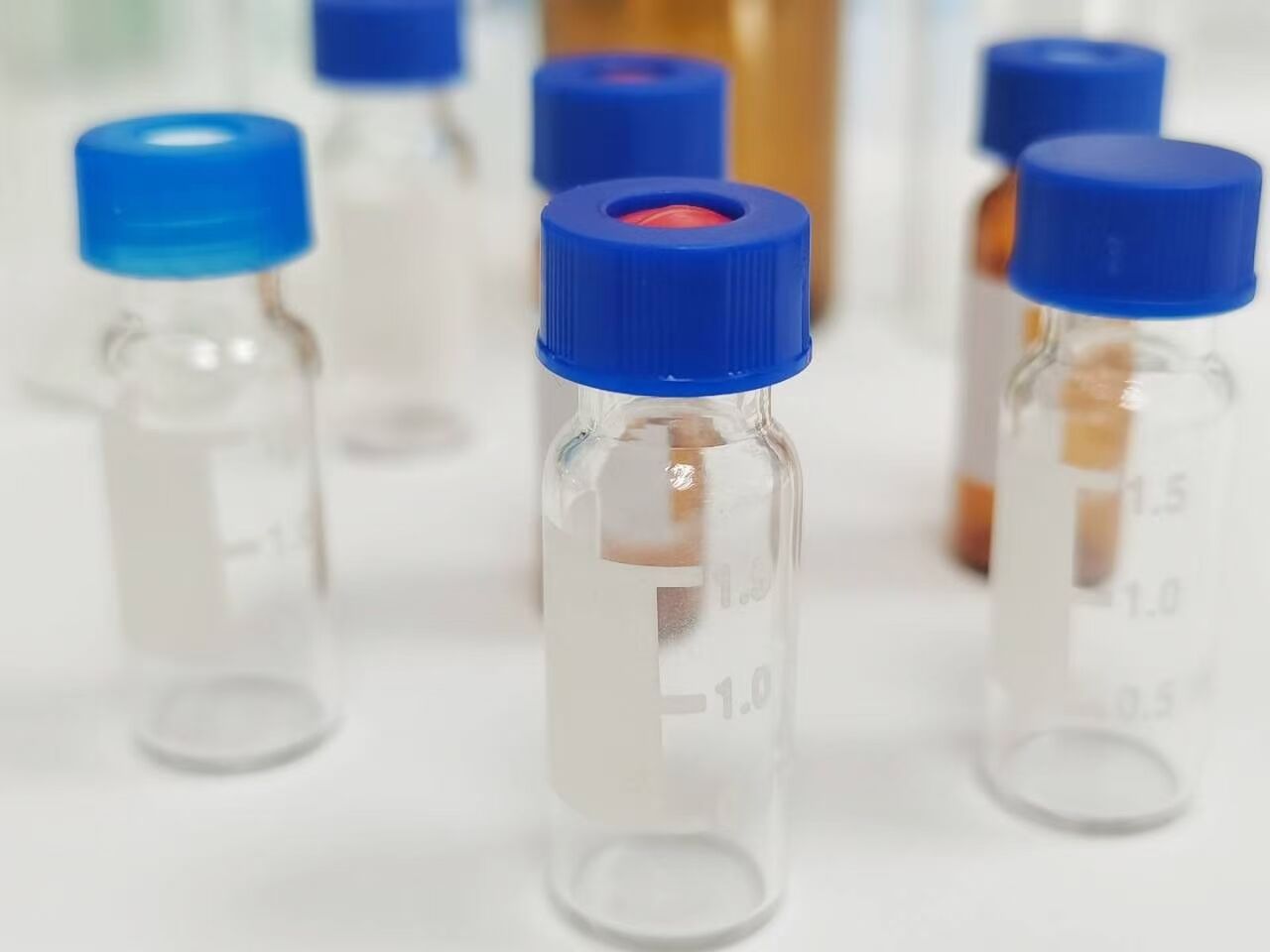
High-performance liquid chromatography represents one of the most precise analytical techniques available to laboratories worldwide, yet the accuracy of results depends heavily on the quality of consumables used throughout the testing process. Among these critical components, the hplc vial serves as the direct interface between sample and instrument, making its cleanliness and certification status fundamental to achieving reliable analytical outcomes. Contamination from residual manufacturing oils, particulate matter, or extractable compounds can introduce systematic errors that compromise data integrity, waste valuable samples, and necessitate costly reanalysis cycles that disrupt laboratory workflows and delay critical decision-making processes.
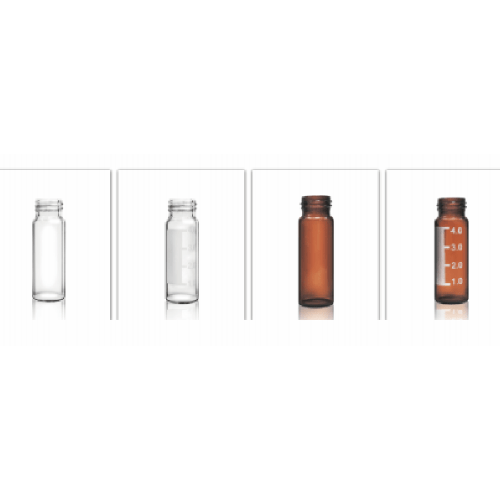
Certified clean hplc vials address these challenges through rigorous manufacturing controls and validation protocols that ensure each container meets stringent cleanliness standards before reaching analytical laboratories. These specialized vials undergo documented cleaning processes, contamination testing, and quality assurance procedures that provide traceable evidence of their suitability for demanding chromatographic applications. Understanding the specific advantages these certified products deliver helps laboratory managers, quality control professionals, and analytical chemists make informed procurement decisions that balance performance requirements with budgetary considerations while maintaining the highest standards of analytical excellence across pharmaceutical, environmental, food safety, and industrial quality control applications.
Enhanced Data Quality and Analytical Precision
Elimination of Ghost Peaks and Baseline Interference
Certified clean hplc vials undergo validated cleaning protocols that remove manufacturing residues, mold release agents, and surface contaminants responsible for generating unexpected chromatographic signals. These ghost peaks appear as unexplained retention time events that complicate peak integration, interfere with target analyte identification, and require extensive method development time to distinguish artifact signals from genuine sample components. When laboratories transition to certified clean vials, analysts immediately observe cleaner baselines with reduced noise levels and fewer interfering peaks, enabling more confident peak assignments and lower detection limits for trace-level compounds that would otherwise remain obscured by background contamination.
The impact on baseline stability extends beyond simple peak clarity to affect fundamental method performance parameters including signal-to-noise ratios, limit of quantification values, and overall method sensitivity. Contaminated vials introduce variable background signals that shift between sample runs, creating inconsistent retention patterns and unreliable quantification results. By contrast, an hplc vial with certified cleanliness maintains consistent performance across entire sample batches, reducing the need for repeated blank injections and enabling laboratories to maximize instrument uptime while minimizing solvent consumption and operational costs associated with troubleshooting contamination-related analytical problems.
Reduction of Sample Carryover and Cross-Contamination
Surface cleanliness directly influences the tendency for samples to adsorb onto vial walls and subsequently transfer into following analytical runs, creating false positive results or artificially elevated concentration readings. Certified clean hplc vials feature surfaces free from particulate matter and organic residues that could serve as adsorption sites for analytes, particularly problematic for highly active pharmaceutical ingredients, pesticide residues, or compounds with strong surface affinity characteristics. This cleanliness proves especially critical in regulated industries where even trace-level carryover can trigger out-of-specification results, regulatory compliance issues, and expensive investigation procedures that consume laboratory resources and delay product release decisions.
The economic implications of carryover extend beyond immediate reanalysis costs to include potential batch rejections, manufacturing holds, and regulatory audit findings that carry substantial financial consequences. Laboratories processing samples with wide concentration ranges or analyzing potent compounds at nanogram levels cannot afford the risk of contamination from previous samples. Certified clean hplc vials provide documented assurance that each container begins with a known cleanliness baseline, enabling laboratories to establish robust carryover control strategies and maintain chain-of-custody integrity throughout the analytical workflow from sample receipt through final data reporting.
Improved Reproducibility Across Sample Batches
Method validation protocols require demonstration of consistent performance across multiple analysts, instruments, and time periods, objectives that become difficult to achieve when vial cleanliness varies unpredictably between manufacturing lots. Certified clean hplc vials undergo lot-specific testing that verifies each production batch meets established cleanliness criteria, providing laboratories with confidence that vial performance will remain consistent whether analyzing samples today or six months into the future. This reproducibility proves essential for longitudinal studies, stability programs, and any application requiring comparative analysis of samples collected at different time points where changes in vial quality could introduce artificial trends unrelated to actual sample composition.
Statistical analysis of method performance data reveals that variability in consumable quality represents a significant contributor to overall analytical uncertainty, often accounting for measurable percentages of total method imprecision. When laboratories standardize on certified clean hplc vials, they remove one major source of uncontrolled variation from their measurement systems, enabling tighter precision estimates, smaller confidence intervals, and more defensible analytical conclusions. This consistency becomes particularly valuable during method transfer activities, where laboratories must demonstrate equivalent performance between sending and receiving sites, or during regulatory inspections where investigators scrutinize sources of analytical variability and expect laboratories to implement appropriate controls over all method inputs including consumable materials.
Compliance Advantages and Regulatory Confidence
Documentation and Traceability Requirements
Regulatory frameworks including FDA 21 CFR Part 11, EU GMP Annex 11, and ISO 17025 standards emphasize the importance of documented evidence supporting analytical data quality, requirements that extend to all materials contacting samples during the testing process. Certified clean hplc vials arrive with certificates of analysis, lot-specific quality documentation, and traceable manufacturing records that satisfy auditor expectations for consumable qualification. These documents provide objective evidence that laboratories have implemented appropriate controls over critical method inputs, demonstrating due diligence in preventing contamination and maintaining data integrity throughout the analytical lifecycle from sample preparation through final result reporting.
The absence of adequate vial documentation creates audit vulnerabilities where inspectors may question whether laboratories have adequately assessed contamination risks or validated the suitability of consumables for intended applications. Certified clean hplc vials eliminate these concerns by providing third-party verification of cleanliness status, supported by standardized testing protocols and acceptance criteria established through industry consensus. This documentation proves particularly valuable during regulatory submissions where agencies expect comprehensive descriptions of analytical methods including specifications for all critical consumables, or during customer audits where pharmaceutical manufacturers must demonstrate robust quality systems extending to every aspect of analytical operations.
Validation Efficiency and Method Development Acceleration
Method validation protocols require extensive testing to demonstrate that analytical procedures perform reliably under normal operating conditions, processes that become significantly more complex when vial cleanliness represents an uncontrolled variable. Laboratories using certified clean hplc vials can streamline validation activities by eliminating vial-related investigations, reducing the number of system suitability failures attributable to contaminated consumables, and focusing validation efforts on method parameters directly related to analytical objectives rather than troubleshooting consumable quality issues. This efficiency translates directly to faster method deployment, reduced validation costs, and earlier availability of validated procedures for routine sample testing activities that support product release and quality control decision-making.
The time savings extend beyond initial validation to include ongoing method maintenance and performance qualification activities required whenever laboratories change suppliers, update instrument systems, or transfer methods between facilities. When switching to certified clean hplc vials from conventional alternatives, laboratories can leverage existing vendor documentation to support abbreviated qualification protocols rather than conducting exhaustive testing to establish cleanliness baselines. This approach aligns with quality-by-design principles that emphasize risk-based decision-making and proportionate qualification efforts, enabling laboratories to allocate validation resources toward higher-risk method elements while accepting vendor certifications for well-characterized consumable products with established performance histories.
Audit Readiness and Inspection Confidence
Regulatory inspections increasingly focus on data integrity, laboratory controls, and evidence that organizations have implemented appropriate contamination prevention measures throughout analytical operations. During these inspections, auditors commonly request documentation supporting consumable qualification decisions, evidence of contamination control strategies, and justification for selecting specific vendor products. Laboratories using certified clean hplc vials can respond confidently to these inquiries by presenting vendor certifications, internal qualification studies referencing certified cleanliness status, and risk assessments demonstrating that certified products represent appropriate controls for preventing sample contamination and ensuring analytical data quality meets fitness-for-purpose requirements.
The psychological aspect of audit readiness deserves consideration as well, since laboratory staff demonstrate greater confidence and professionalism when they can articulate clear rationales for procedural decisions supported by objective evidence. When analysts understand that their hplc vials carry certified cleanliness status backed by vendor testing and documentation, they approach regulatory interactions with assurance that their laboratory has implemented appropriate quality standards. This confidence extends to routine operations where staff face questions from internal quality units, customer auditors, or regulatory inspectors seeking to understand contamination control measures and verify that laboratories maintain appropriate standards for all materials contacting samples during analytical testing procedures.
Operational Efficiency and Cost Effectiveness
Reduction in Troubleshooting and Reanalysis Costs
Contaminated hplc vials trigger investigation cycles that consume substantial laboratory resources including analyst time, instrument availability, and materials costs associated with repeat testing procedures. Each contamination event requires documentation, root cause analysis, corrective action implementation, and verification testing to confirm that problems have been resolved before returning to normal operations. These investigations divert staff attention from productive analytical work, delay sample turnaround times, and create bottlenecks that impact downstream processes dependent on timely analytical results. Certified clean hplc vials dramatically reduce the frequency of contamination-related investigations by providing consistently clean containers that eliminate vial quality as a potential root cause when analytical anomalies do occur.
The financial impact of avoided reanalysis extends beyond direct laboratory costs to include opportunity costs associated with delayed decision-making, potential product holds pending investigation resolution, and expedited shipping charges when time-sensitive samples require reprocessing. When laboratories calculate the total cost of quality including both conformance costs like certified vial procurement and nonconformance costs like investigation and reanalysis expenses, certified clean hplc vials frequently emerge as the more economical choice despite higher unit prices. This economic reality reflects the principle that prevention costs typically represent better investments than detection and correction costs, particularly in analytical environments where contamination events carry substantial downstream consequences for manufacturing operations and product release decisions.
Extended Autosampler Run Times and Unattended Operation
Modern laboratories maximize instrument utilization through overnight and weekend runs that leverage autosampler capabilities to process large sample queues without constant supervision. These extended runs require complete confidence in consumable quality since contamination events during unattended operation can compromise entire analytical sequences, wasting valuable instrument time and requiring complete run repetition. Certified clean hplc vials provide the reliability necessary for unattended operation by eliminating unexpected contamination issues that would otherwise interrupt automated sequences and force analysts to restart sample processing during normal business hours when instrument capacity is most constrained.
The productivity gains from reliable overnight operation accumulate significantly over time, effectively increasing laboratory capacity without capital investment in additional instrumentation. When analysts can confidently program autosampler sequences knowing that vial cleanliness will not compromise results, they maximize the return on expensive chromatography equipment and reduce per-sample analysis costs through higher throughput. This operational efficiency proves particularly valuable in high-volume testing environments like contract research organizations, quality control laboratories supporting manufacturing operations, or environmental testing facilities processing regulatory compliance samples where timely results delivery represents a competitive differentiator and revenue driver.
Inventory Management and Supply Chain Simplification
Laboratories maintaining multiple vial types to address different cleanliness requirements face inventory complexity, storage space demands, and risk of using inappropriate vials for specific applications. Standardizing on certified clean hplc vials enables laboratories to consolidate inventory, simplify procurement procedures, and reduce the cognitive load on laboratory staff who would otherwise need to select appropriate vial types based on application requirements. This standardization reduces errors where analysts might inadvertently use uncertified vials for applications requiring certified cleanliness, eliminates confusion during method transfer when receiving laboratories may use different vial specifications, and streamlines training procedures by reducing the number of product variants that staff must understand and manage.
The supply chain benefits extend to vendor management activities where maintaining relationships with multiple suppliers increases administrative burden, complicates quality agreements, and creates supply continuity risks if preferred vendors experience disruptions. By selecting certified clean hplc vials from reliable vendors with established quality systems, laboratories can develop strategic supplier partnerships that deliver consistent product quality, responsive technical support, and favorable commercial terms reflecting volume commitments. These partnerships prove particularly valuable during supply disruptions when strategic vendors prioritize key customers or during new product introductions when early adopter laboratories benefit from collaborative relationships with innovative vendors committed to advancing chromatography consumable technology.
Application-Specific Performance Benefits
Pharmaceutical and Biopharmaceutical Analysis
Pharmaceutical laboratories face unique analytical challenges including trace-level impurity detection, chiral separations requiring exceptional peak resolution, and regulatory scrutiny demanding comprehensive contamination control documentation. Certified clean hplc vials address these challenges by providing surfaces free from extractables that could interfere with pharmaceutical compound detection, particularly critical when analyzing drug substances at early development stages where limited reference standards complicate unknown peak identification. The cleanliness standards applied to certified vials align with pharmaceutical quality expectations, ensuring that consumables meet the same rigorous standards applied to analytical instrumentation, reagents, and laboratory environmental controls.
Biopharmaceutical applications present additional considerations since protein therapeutics, monoclonal antibodies, and peptide drugs exhibit surface activity that makes them particularly sensitive to adsorption losses and container interactions. Certified clean hplc vials minimize these interactions through consistent surface treatments and absence of contaminating residues that could denature proteins or create artifacts during biomolecule analysis. When laboratories validate bioanalytical methods, they can reduce the number of variables requiring investigation by starting with certified vials that provide known performance baselines, enabling faster method development and greater confidence that observed analytical behavior reflects actual sample characteristics rather than container-related artifacts.
Environmental and Food Safety Testing
Environmental laboratories analyzing pesticide residues, industrial contaminants, or drinking water quality parameters routinely work at detection limits where parts-per-trillion sensitivity demands absolute freedom from contamination sources. These applications cannot tolerate background contamination from hplc vials since environmental samples often contain complex matrices with numerous potential interferents where distinguishing true analyte signals from artifact peaks becomes analytically challenging. Certified clean vials provide the cleanliness necessary for ultra-trace analysis, enabling environmental laboratories to achieve regulatory detection limits, comply with method specifications, and deliver defensible results supporting environmental protection decisions and public health assessments.
Food safety applications face similar challenges when analyzing pesticide residues, veterinary drug residues, or food contact material migrants at levels specified by international food safety standards. The consequences of false positive results in food testing include unnecessary product recalls, trade disruptions, and reputational damage, while false negatives could allow contaminated products to reach consumers with serious public health implications. Certified clean hplc vials help food testing laboratories navigate these risks by eliminating consumable contamination as a source of analytical error, enabling laboratories to focus quality control efforts on sample preparation procedures, instrument performance, and analyst technique rather than managing avoidable contamination from basic consumables.
Clinical and Forensic Applications
Clinical laboratories performing therapeutic drug monitoring, toxicology screening, or biomarker analysis work with irreplaceable patient samples where repeat collection may be medically contraindicated, ethically problematic, or simply impractical. These laboratories cannot afford contamination events that compromise sample integrity and necessitate patient recall for repeat specimen collection. Certified clean hplc vials protect valuable clinical samples by providing containers that will not introduce contamination, ensuring that analytical results accurately reflect patient physiological status rather than artifact signals from contaminated consumables. This reliability proves essential for clinical decisions including medication dosing adjustments, toxicity assessments, and diagnostic determinations that directly impact patient care outcomes.
Forensic applications carry legal consequences where analytical results may determine guilt or innocence in criminal proceedings, establish liability in civil litigation, or support regulatory enforcement actions with substantial financial penalties. The evidentiary standards applied to forensic analysis demand comprehensive documentation, defensible procedures, and elimination of all foreseeable contamination sources that could compromise result validity. Forensic laboratories using certified clean hplc vials strengthen their analytical defensibility by demonstrating appropriate contamination controls, providing documentation supporting consumable quality, and establishing chain of custody protocols that extend to all materials contacting evidentiary samples throughout the analytical process from evidence receipt through final testimony presentation.
FAQ
How do certified clean hplc vials differ from standard vials in manufacturing processes?
Certified clean hplc vials undergo additional manufacturing steps including validated cleaning processes that remove manufacturing residues, surface contaminants, and particulate matter using standardized protocols. Following cleaning, these vials are tested according to established criteria that verify cleanliness levels, with results documented in certificates of analysis provided with each lot. Standard vials may receive basic cleaning but lack the validation documentation, lot-specific testing, and quality assurance protocols that characterize certified products, making them unsuitable for applications requiring documented cleanliness assurance or regulatory compliance documentation.
Can laboratories validate their own vials instead of purchasing certified products?
While laboratories technically can establish internal vial cleaning and validation programs, this approach requires significant investment in cleaning equipment, validation protocols, testing capabilities, and quality documentation systems that most laboratories find economically impractical compared to purchasing pre-certified products. Internal validation also creates ongoing quality control burdens including routine cleanliness verification testing, maintenance of cleaning equipment, and documentation maintenance that diverts laboratory resources from core analytical activities. Most laboratories find that purchasing certified clean hplc vials represents a more cost-effective approach that leverages vendor expertise and economies of scale while ensuring consistent product quality.
Do certified clean hplc vials have expiration dates or storage requirements?
Certified clean hplc vials typically carry recommended use-by dates that reflect the period during which manufacturers guarantee certified cleanliness status, commonly ranging from two to five years depending on packaging and storage conditions. Proper storage requires maintaining vials in original sealed packaging, protecting them from dust and environmental contamination, and avoiding exposure to extreme temperatures or humidity that could compromise closure integrity or promote condensation inside sealed containers. Laboratories should implement first-in-first-out inventory practices and periodically review stored vial inventory to ensure products remain within manufacturer-specified use periods and packaging remains intact.
Are certified clean hplc vials necessary for all chromatographic applications?
The necessity for certified clean hplc vials depends on application sensitivity, regulatory requirements, and consequences of potential contamination. Applications involving trace-level analysis, regulatory compliance testing, pharmaceutical quality control, or samples with significant value or irreplaceability typically justify certified vial use due to the severe consequences of contamination events. Less demanding applications like method development, routine analysis of high-concentration samples, or educational purposes might adequately function with standard vials where contamination risks carry minimal consequences. Laboratories should conduct risk assessments considering analytical objectives, regulatory requirements, sample value, and contamination consequences when deciding whether certified clean vials represent appropriate controls for specific applications.
Table of Contents
- Enhanced Data Quality and Analytical Precision
- Compliance Advantages and Regulatory Confidence
- Operational Efficiency and Cost Effectiveness
- Application-Specific Performance Benefits
-
FAQ
- How do certified clean hplc vials differ from standard vials in manufacturing processes?
- Can laboratories validate their own vials instead of purchasing certified products?
- Do certified clean hplc vials have expiration dates or storage requirements?
- Are certified clean hplc vials necessary for all chromatographic applications?