
 EN
EN



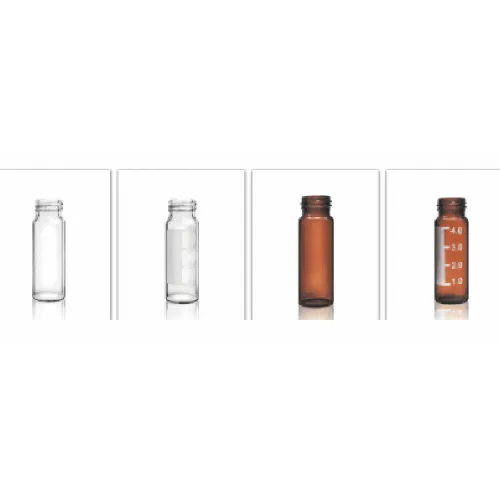
Նմուշի ամբողջականությունը հիմնարար է բարձր կատարողականության հեղուկային քրոմատոգրաֆիայի (HPLC) վերլուծության հաջողության համար, սակայն նմուշի կորուստը և աղտոտումը մնում են կայուն մարտահրավերներ, որոնք կարող են վնասել վերլուծական արդյունքները և վատնել արժեքավոր հետազոտական նյութեր։ Այս խնդիրների արմատային պատճառների հասկանալը և համապատասխան կանխարգելիչ միջոցառումների իրականացումը երաշխավորում են վստահելի տվյալների որակը և մաքսիմալացնում են լաբորատորիայի արդյունավետությունը։
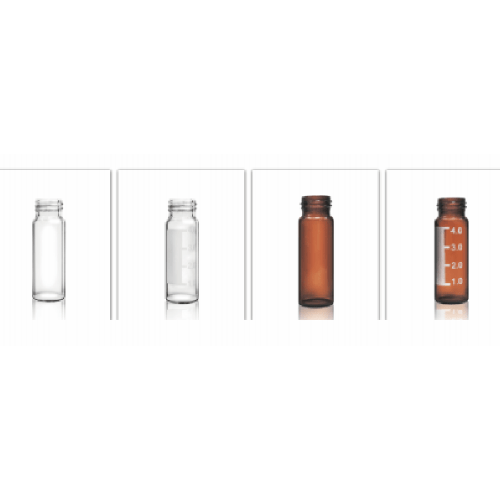
Նմուշի կորուստի և աղտոտման կանխարգելումը HPLC փորձանոթներում պահանջում է համակարգային մոտեցում, որը ներառում է փորձանոթների ընտրությունը, պատրաստման պրոտոկոլները, լցման տեխնիկան և պահման պայմանները։ Այս համապարփակ ռազմավարությունը պաշտպանում է ձեր վերլուծական ներդրումը՝ միաժամանակ պահպանելով ժամանակակից քրոմատոգրաֆիական մեթոդների կողմից պահանջվող ճշգրտությունն ու վերարտադրելիությունը։
HPLC վերլուծության ընթացքում նմուշի կորստի մեխանիզմների հասկանալը
Իսկական և գոլորշիացման կորուստի դինամիկան
Իսպառումը ներկայացնում է ՀՊԼԿ-ի փորձանմուշների կորստի ամենակարևոր պատճառներից մեկը, հատկապես ազդելով թռչուն միացությունների և փոքր մոլեկուլային վերլուծվող նյութերի վրա: Իսպառման արագությունը կախված է մի շարք գործոններից, այդ թվում՝ շրջակա միջավայրի ջերմաստիճանից, հարաբերական խոնավությունից, փորձանմուշային ամանի դիզայնից և փակածի կնքման արդյունավետությունից: Այս դինամիկայի հասկանալը օգնում է լաբորատորիաներին իրականացնել թիրախավորված կանխարգելման միջոցառումներ:
Փորձանմուշների պահպանման և վերլուծության ընթացքում ջերմաստիճանի տատանումները ստեղծում են գոլորշիացման ճնշման փոփոխություններ, որոնք նպաստում են լուծիչների և վերլուծվող նյութերի կորստին: Նույնիսկ նվազագույն ջերմաստիճանի բարձրացումը կարող է զգալիորեն արագացնել իսպառման արագությունը, հատկապես ՀՊԼԿ-ի շարժական փուլերում հաճախ օգտագործվող օրգանական լուծիչների դեպքում: Այս խնդիրը ավելի սուր է դառնում, երբ փորձանմուշային ամանները երկար ժամանակ մնում են ավտոնմուշավորված նմուշների մատակարարման սայլակներում:
ՀՊԼԿ-ի ամբողջական սարքավորման մեջ գտնվող գլխավոր տարածքի ծավալը ուղղակիորեն ազդում է գոլորշիացման արագության վրա. մեծ գլխավոր տարածքները ապահովում են ավելի մեծ մակերես գոլորշիների փոխանակման համար: Ճիշտ լցման ծավալի օպտիմալացումը նվազեցնում է գլխավոր տարածքը՝ միաժամանակ պահպանելով բավարար քանակությամբ նմուշ մի քանի ներարկումների համար, ինչը հավասարակշռում է նմուշի պահպանումը և վերլուծական պահանջները:
Ադսորբցիայի և մակերևույթի փոխազդեցության ազդեցություններ
Նմուշի կորուստը ամբողջական սարքավորման մակերևույթին ադսորբվելու միջոցով նրբագեղ սակայն կարևոր մեխանիզմ է, որը կարող է ազդել ՀՊԼԿ-ի վերլուծության քանակական ճշգրտության վրա: Չնայած ապակու մակերևույթները քիմիապես ակտիվ չեն, սակայն դրանք կարող են փոխազդել որոշ վերլուծվող նյութերի հետ ջրածնային կապերի, էլեկտրոստատիկ փոխազդեցությունների կամ հիդրոֆոբ էֆեկտների միջոցով, ինչը հանգեցնում է չափելի նմուշի նվազեցման:
Սպիտակուցների և պեպտիդների նմուշները հատկապես խոցելի են մակերեսային կլանման կորուստների նկատմամբ, քանի որ այս մեծ կենսամոլեկուլները հեշտությամբ փոխազդում են ապակու մակերեսների հետ՝ բազմաթիվ կապման մեխանիզմների միջոցով: Կլանման աստիճանը փոխվում է լուծույթի pH-ի, իոնային ուժի և սպիտակուցի կոնցենտրացիայի կախման մեջ, ինչը դժվարացնում է այն վերահսկել սովորական ՀԾԼԳ (HPLC) գործողությունների ընթացքում:
Դեակտիվացված ապակե մակերեսները և մասնագիտացված՝ ցածր կլանման ամանների նյութերը օգնում են նվազեցնել այս փոխազդեցությունները: Մակերեսի մշակումը ստեղծում է մի արգելակող շերտ նմուշի և հիմնական ապակե մատրիցի միջև, նվազեցնելով վերլուծվող նյութի հետ կապվելու համար հասանելի կապման կետերի քանակը՝ միաժամանակ պահպանելով քիմիական համատեղելիությունը ՀԾԼԳ-ի լուծիչների և պայմանների հետ:
Աղտոտման աղբյուրները և կանխարգելման ռազմավարությունները
Շրջակա միջավայրի աղտոտման վերահսկում
Լաբորատորիայի օդի որակը կարևոր ազդեցություն ունի HPLC նմուշների ամբողջականության վրա, քանի որ օդում լողացող մասնիկները, քիմիական գոլորշիները և միկրոբիոլոգիական աղտոտիչները կարող են ներխուժել փորձանմուշերի ամանների մեջ պատրաստման և սպասարկման ընթացքում: Պատշաճ միջավայրային վերահսկողության իրականացումը ստեղծում է մաքուր աշխատանքային միջավայր, որը պաշտպանում է նմուշները արտաքին աղտոտման աղբյուրներից:
Դեղձը և մասնիկային նյութերը հաճախակի հանդիպող աղտոտման աղբյուրներ են, որոնք կարող են խաթարել HPLC սյունակների աշխատանքը և մատչելիության սարքի պատասխանը: Այս մասնիկները կարող են առաջանալ լաբորատորիայի գործողություններից, օդի կլիմայավորման համակարգերից կամ անձնակազմի շարժումից, ինչը դարձնում է անհրաժեշտ լայնածավալ օդի ֆիլտրացիան և մաքուր սպասարկման ընթացակարգերը՝ նմուշների պաշտպանության համար:
Քիմիական խառնվածքը տեղի է ունենում, երբ մոտակա նմուշներից կամ սեղանային նյութերից առաջացած թռչուն միացությունները միգրացիայի են ենթարկվում HPLC ամանների մեջ գոլորշիային փուլի միջոցով: Նմուշների պահպանման ճիշտ առանձնացումը, բավարար օդափոխությունը և կնքված պահեստավորման համակարգերը կանխում են անցանկալի քիմիական փոխազդեցությունները, որոնք կարող են վնասել վերլուծական արդյունքները:
Նմուշների միջև խառնվածք
Նմուշից նմուշ աղտոտվածությունը HPLC վերլուծության ժամանակ կարող է առաջանալ մի շարք ճանապարհներով, այդ թվում՝ ընդհանուր պատրաստման գործիքների օգտագործման, անբավարար մաքրման ընթացակարգերի և սխալ փորձանմուշերի ամանների սխալ կառավարման միջոցով: Այս աղտոտման դեպքերը կարող են ներմուծել օտար միացություններ, որոնք խանգարում են թիրախային վերլուծվող նյութերի հայտնաբերմանը և քանակական որոշմանը:
Նախորդ նմուշներից մնացորդային աղտոտվածությունը մնում է մշտական մարտահրավեր բարձր արտադրողականությամբ HPLC լաբորատորիաներում: Այս խնդիրը հաճախ դրսևորվում է անսպասելի գագաթների կամ բարձրացված ֆոնային սիգնալների տեսքով, որոնք կարող են թաքցնել թիրախային միացությունները կամ ստեղծել կեղծ դրական արդյունքներ, հատկապես երբ վերլուծվում են բավականին տարբեր կոնցենտրացիայի տիրույթներ ունեցող նմուշներ:
Տարբեր նմուշների տեսակների համար նախատեսված առանձին պատրաստման գործիքների կիրառումը, հիմնավորված մաքրման վավերացման ընթացակարգերի սահմանումը և սխալ փորձանմուշերի ամանների հետ խիստ կառավարման ընթացակարգերի պահպանումը նվազեցնում են խաչային աղտոտման ռիսկերը: Գունավորված սարքավորումները և հստակ սահմանված աշխատանքային հոսքի օրինակները օգնում են լաբորատորիայի աշխատակիցներին պահպանել անհամատեղելի նմուշների տեսակների միջև առանձնացումը:
Օպտիմալ փորձանոթների ընտրություն և պատրաստման տեխնիկա
Նյութերի համատեղելիության գնահատում
Փորձանոթների նյութի ընտրությունը կարևոր դեր է խաղում HPLC կիրառումներում նմուշի կորուստը և աղտոտումը կանխելու համար: Տարբեր գlass տեսակներ, մակերևույթի մշակման եղանակներ և կնքման համակարգեր տարբեր աստիճանի քիմիական դիմացկունություն և ակտիվություն են ապահովում, ինչը դարձնում է նյութի համատեղելիության գնահատումը անհրաժեշտ օպտիմալ վերլուծական արդյունքների համար:
Բորոսիլիկատային ապակե փորձանոթները մեծապես դիմացկուն են քիմիական ազդեցությունների նկատմամբ և ջերմային կայունություն են ցուցաբերում շատ դեպքերում HPLC-ի համար, իսկ մասնագիտացված դեակտիվացված մակերևույթները նվազեցնում են վերլուծվող նյութերի կլանումը զգայուն միացությունների համար: Պարզ և դեղին-շագանակագույն ապակու ընտրությունը կախված է լուսային զգայունության հարցերից. դեղին-շագանակագույն ապակին լուսային զգայուն վերլուծվող նյութերի համար ապահովում է UV ճառագայթներից պաշտպանություն:
Ամբողջական լուծումների համատեղելիությունը ներառում է փակացի նյութերի, ստվարաթղթի տեսակների և փակման մեխանիզմների համապատասխանեցումը կոնկրետ նմուշների պահանջներին: PTFE-ով պատված փակացիները ապահովում են հիասքանչ քիմիական դիմացկունություն ագրեսիվ լուծիչների համար, իսկ սիլիկոնե ստվարաթղթերը՝ վատ կայուն միացությունների համար գերազանց կնքում՝ ապահովելով մաքսիմալ գոլորշիների պահպանում:
Նախնական մաքրման և պատրաստման պրոտոկոլներ
ՀՊԼԿ վերլուծության համար ամբողջական անոթների ճիշտ պատրաստումը համակարգային մաքրման և պատրաստման ընթացակարգերի միջոցով վերացնում է հնարավոր աղտոտիչների աղբյուրները և օպտիմալացնում է մակերևույթի հատկությունները: Այս պրոտոկոլները պետք է հաշվի առնեն արտադրական մնացորդները, նախորդ նմուշների մնացորդները և կոնկրետ կիրառումների համար անհրաժեշտ ցանկացած մակերևույթի փոփոխություն:
Թթվային լվացման ընթացակարգերը արդյունավետորեն հեռացնում են մետաղական աղտոտիչները և իոնային մնացորդները, որոնք կարող են խանգարել HPLC վերլուծությանը, մասնավորապես՝ մետաղների հետքային վերլուծության կամ իոնային քրոմատոգրաֆիայի կիրառությունների դեպքում: Թթվային մշակումը նաև ակտիվացնում է ապակե մակերեսները՝ ստեղծելով մակերևութային քիմիական միացություն խմբաքանակի բոլոր սրվակների վրա:
Լուծիչներով լվացման հաջորդականությունները վերացնում են օրգանական աղտոտիչները և պատրաստում են փորձանմուշի ներմուծման համար թասի մակերեսը։ Լվացման լուծիչների ընտրությունը պետք է համապատասխանի նախատեսված փորձանմուշի մատրիցի բեւզային հատկանիշներին՝ ապահովելով անհամատեղելի մնացորդների ամբողջական վերացումը և միաժամանակ խուսափելով լուծիչների անմաքրությունների միջոցով նոր աղտոտիչների ներմուծման հնարավորությունից։
Փորձանմուշների մշակման և պահման լավագույն պրակտիկաներ
Ճիշտ լցման տեխնիկա և գլխավոր տարածքի կառավարում
Փորձանմուշների լցման ընթացակարգերը ուղղակիորեն ազդում են ինչպես աղտոտման ռիսկի, այնպես էլ HPLC թասերում փորձանմուշների պահպանման վրա։ Կառավարվող լցման տեխնիկան նվազեցնում է միջավայրի աղտոտիչների նկատմամբ արտադրության ենթակայությունը՝ միաժամանակ օպտիմալացնելով գլխավոր տարածքի ծավալը գոլորշիացման նվազեցման և ավտոնմուշավորի ճիշտ աշխատանքի համար։
Լցման գործընթացը պետք է խուսափի նմուշի հպման վայրից ամբարձակի մետաղալարերի կամ փակածի մակերեսների հետ, որը կարող է ներմուծել աղտոտիչներ կամ առաջացնել ամբողջական չլինելու կնքում: Ճիշտ պիպետավորման տեխնիկայի օգտագործումը և նմուշների համախմբերում լցման մակարդակի հաստատուն պահպանումը ապահովում են համատեղելի վերլուծական պայմաններ և նվազեցնում են նմուշների կոնցենտրացիայում տատանումները՝ պայմանավորված գոլորշացման տարբերություններով:
Գազային տարածքի օպտիմալացումը հավասարակշռում է մի շարք մրցակցային գործոններ, այդ թվում՝ գոլորշացման կանխարգելումը, ավտոնմուշավորված նմուշառիչի սուզակի ազատ տարածքը և ջերմային ընդլայնման հաշվարկը: Ավելցուկային գազային տարածքը խթանում է գոլորշացումը և կոնցենտրացիայի փոփոխությունները, իսկ անբավարար գազային տարածքը կարող է առաջացնել նմուշի վերհավաքում ջերմաստիճանի փոփոխությունների ժամանակ կամ ստեղծել ավտոնմուշավորված նմուշառիչի մուտքի խնդիրներ:
Ջերմաստիճանի և Շրջակա Միջավայրի Վերահսկում
Նմուշների պահպանման և վերլուծության ընթացքում շրջակա միջավայրի պայմանները գործում են նմուշների կայունության և աղտոտման ռիսկի վրա HPLC կիրառումներում: Ջերմաստիճանի վերահսկումը կանխում է գոլորշացումը և քիմիական քայքայումը, իսկ խոնավության վերահսկումը նվազեցնում է խոնավացման և միկրոբիոլոգիական աճի հնարավորությունը:
Սառնարանային պահպանումը երկարացնում է ջերմային զգայուն միացությունների նմուշների կայունությունը, սակայն պահանջում է մշակման ընթացքում հատուկ ուշադրություն խոնավացման կանխարգելման և հավասարակշռման ընթացակարգերի նկատմամբ: Վերլուծությունից առաջ նմուշները պետք է հասնեն մթնոլորտային ջերմաստիճանի՝ հայտնաբերիչի հիմնագծի խանգարումները և ճշգրիտ ներարկման ծավալները երաշխավորելու համար:
Լույսի ազդեցությունից պաշտպանությունը պահպանում է լուսազգայուն վերլուծվող նյութերը և կանխում է լուսաքայքայման ռեակցիաները, որոնք կարող են առաջացնել միջանկյալ միացություններ: Դեղին-շագանակագույն փորձանոթները, մութ պահեստավորման տարածքները և նմուշների պատրաստման ընթացքում լույսի ազդեցության ժամանակի նվազեցումը օգնում են պահպանել վերլուծվող նյութերի ամբողջականությունը ամբողջ վերլուծական աշխատավարսի ընթացքում:
Որակի վերահսկում և մոնիտորինգի ընթացակարգեր
Համակարգային աղտոտման հայտնաբերում
Պարբերական աղտոտման մոնիտորինգը՝ դատարկ վերլուծության և համակարգի համապատասխանության փորձարկման միջոցով, հնարավորություն է տալիս վաղ շրջանում հայտնաբերել նմուշների ամբողջականության խնդիրները HPLC գործողություններում: Այս որակի վերահսկման միջոցառումները օգնում են նույնացնել աղտոտման աղբյուրները և վավերացնել կանխարգելման ընթացակարգերի արդյունավետությունը:
Իրական նմուշների նույն պատրաստման և պահպանման պայմանների օգտագործմամբ դատարկ ամանի վերլուծությունը բացահայտում է ֆոնային աղտոտման մակարդակը և օգնում է տարբերակել նմուշի կապակցված և համակարգի կապակցված միջամտությունները: Այս մոտեցումը տրամադրում է հիմնարար տեղեկատվություն անսպասելի վերլուծական արդյունքների վերացման համար:
Որակի վերահսկման տվյալների ստատիստիկական վերլուծությունը օգնում է նույնացնել նմուշների կորստի կամ աղտոտման մեջ հայտնաբերվող միտումները, որոնք կարող են վկայել ամանների պահպանման, պատրաստման ընթացակարգերի կամ շրջակա միջավայրի վերահսկման հետ կապված առաջացող խնդիրների մասին: Այս ցուցանիշների պարբերական վերանայումը աջակցում է նմուշների սպասարկման պրակտիկայում շարունակական բարելավմանը:
Փաստաթղթավորում և հետևելիության համակարգեր
Նմուշների վերաբերյալ համապարփակ տեղեկագրերը՝ ներառյալ դրանց մշակման ընթացակարգերը, պահպանման պայմանները և որակի վերահսկման արդյունքները, հնարավորություն են տալիս արդյունավետ վերլուծել խնդիրները, երբ առաջանում են նմուշների ամբողջականության հետ կապված խնդիրներ: Հետագծելիության համակարգերը հետևում են առանձին ամպուլներին՝ սկսած դրանց պատրաստման և վերջացած վերլուծությամբ, ինչը հնարավորություն է տալիս հետազոտել անսովոր արդյունքների պատճառները:
Նմուշների պատրաստման մատյանները պետք է ներառեն ամպուլների սերիայի տվյալները, օգտագործված մաքրման ընթացակարգերը, պահպանման պայմանները և ստանդարտ պրոտոկոլներից ցանկացած շեղում: Այս տեղեկագրերը արժեքավոր տեղեկություն են տրամադրում՝ վերլուծական խնդիրները կապելու համար հատուկ պատրաստման կամ սպասարկման իրադարձությունների հետ:
Էլեկտրոնային հետագծման համակարգերը կարող են ավտոմատացնել տեղեկագրման գործընթացները՝ միաժամանակ ապահովելով նմուշների պահպանման պայմանների իրական ժամանակում վերահսկումը: Այս համակարգերը աջակցում են համապատասխանության պահանջների կատարմանը՝ միաժամանակ նվազեցնելով լաբորատորիայի աշխատակիցների վրա ձեռքով տեղեկագրման բեռը:
Հաճախադեպ տրվող հարցեր
Որքա՞ն ժամանակ կարող են պահվել նմուշները HPLC ամպուլներում՝ մինչև դրանց քայքայումը սկսվի:
Նմուշների պահման ժամանակը HPLC փորձանոթներում կախված է կոնկրետ վերլուծվող նյութերից, լուծիչների համակարգից, պահման ջերմաստիճանից և փորձանոթների կնքման որակից: Շատ օրգանական միացություններ համապատասխան լուծիչներում հարմարավետ կնքված փորձանոթներում սենյակային ջերմաստիճանում մնում են կայուն 24–48 ժամ: Սակայն սառնարանում պահելը կարող է երկարաձգել կայունությունը մի քանի օր կամ շաբաթ: Այնուամենայնիվ, թռչուն միացությունները, անկայուն դեղամիջոցները և կենսաբանական նմուշները ճշգրտությունը պահպանելու համար կարող են պահանջել վերլուծություն նմուշների պատրաստումից հետո մի քանի ժամվա ընթացքում:
Ո՞րն են նմուշների գոլորշիացումը կանխելու ամենաարդյունավետ փորձանոթները:
PTFE-ով պատված ստվարաթղթե փակած փորձանոթները ամենալավ կնքման ցուցանիշներն են ցուցադրում HPLC կիրառումներում՝ նմուշների գոլորշիացումը կանխելու համար: Մետաղական ստվարաթղթե փակած փորձանոթների մեջ ստվարաթղթե մասը ստեղծում է բազմաթիվ շփման կետեր, որոնք բարելավում են կնքման արդյունքը, իսկ PTFE-ի շերտը ապահովում է հիասքանչ քիմիական դիմացկունություն և ցածր գազաթափանցելիություն: Կրիմպ-փակած փորձանոթները նույնպես բավարար կնքում են ապահովում ճիշտ տեղադրման դեպքում, սակայն դրանց տեղադրման համար անհրաժեշտ են մասնագիտացված գործիքներ, իսկ փակման գործընթացում ավելի հաճախ են առաջանում օգտագործողի սխալներ:
Կարո՞ղ են պլաստիկ փուլիկները օգտագործվել HPLC վերլուծության համար՝ աղտոտման ռիսկերը նվազեցնելու նպատակով:
Պլաստիկ փուլիկները կարող են լինել հարմար որոշակի HPLC կիրառումների համար, սակայն անհրաժեշտ է հիմնավորված գնահատել քիմիական համատեղելիությունը և հնարավոր լիչեյբլները: Պոլիպրոպիլենից պատրաստված փուլիկները լավ են աշխատում ջրային նմուշների և հիմնային pH-ի պայմաններում, սակայն պետք է խուսափել օրգանական լուծիչներից, որոնք կարող են առաջացնել փուլիկների փքում կամ հանգեցնել հանվող նյութերի առաջացման: Այնուամենայնիվ, ապակե փուլիկները մնում են նախընտրելի շատ դեպքերում HPLC վերլուծության համար՝ իրենց գերազանց քիմիական ակտիվության բացակայության, ջերմաստիճանային կայունության և ագրեսիվ լուծիչների հետ համատեղելիության շնորհիվ:
Ինչպե՞ս կարելի է հաստատել, որ HPLC վերլուծության ընթացքում տեղի է ունենում նմուշի կորուստ:
Նմուշի կորուստը կարելի է հայտնաբերել պիկերի մակերեսների, պահպանման ժամանակների և որակի վերահսկման նմուշների պատասխանների համակարգային մոնիտորինգի միջոցով ժամանակի ընթացքում: Կայուն միացությունների համար պիկերի մակերեսների նվազումը, բազմաբաղադրիչ նմուշների համար հարաբերական պիկերի հարաբերությունների փոփոխությունը և կրկնվող ներարկումների վատ ճշգրտությունը հաճախ ցույց են տալիս նմուշի կորուստի խնդիրներ: Պահպանման ժամանակի ստանդարտների պարբերաբար վերլուծությունը և ներքին ստանդարտների մեթոդների կիրառումը օգնում են տարբերակել նմուշի կորուստը սարքի շեղումից կամ այլ վերլուծական փոփոխականներից:
Բովանդակության ցուցակ
- HPLC վերլուծության ընթացքում նմուշի կորստի մեխանիզմների հասկանալը
- Աղտոտման աղբյուրները և կանխարգելման ռազմավարությունները
- Օպտիմալ փորձանոթների ընտրություն և պատրաստման տեխնիկա
- Փորձանմուշների մշակման և պահման լավագույն պրակտիկաներ
- Որակի վերահսկում և մոնիտորինգի ընթացակարգեր
-
Հաճախադեպ տրվող հարցեր
- Որքա՞ն ժամանակ կարող են պահվել նմուշները HPLC ամպուլներում՝ մինչև դրանց քայքայումը սկսվի:
- Ո՞րն են նմուշների գոլորշիացումը կանխելու ամենաարդյունավետ փորձանոթները:
- Կարո՞ղ են պլաստիկ փուլիկները օգտագործվել HPLC վերլուծության համար՝ աղտոտման ռիսկերը նվազեցնելու նպատակով:
- Ինչպե՞ս կարելի է հաստատել, որ HPLC վերլուծության ընթացքում տեղի է ունենում նմուշի կորուստ: